Sigiriya / Sri Lanka When to visit
When should I visit Sigiriya, Sri Lanka, for the best experience?
The short answer
February, at the 7:00 a.m. opening — the heart of the Cultural Triangle's driest stretch, when the 1,200 steps are dry underfoot, the summit view runs to the horizon, and the climb is done before the dry-zone heat builds on the rock.
The answer, with local context
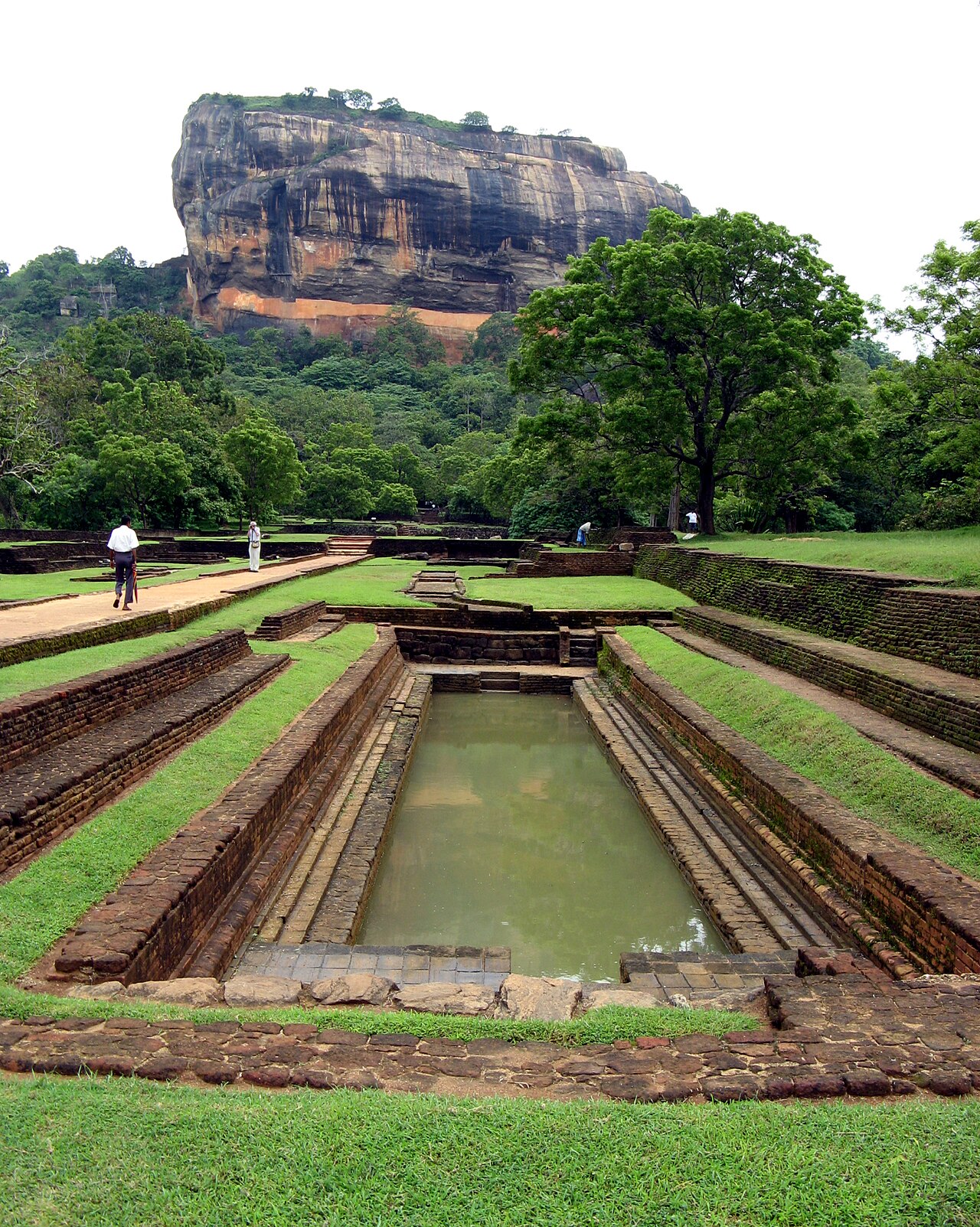
Sigiriya's clock has two hands, the season and the hour, and both matter. The site sits in Sri Lanka's dry zone, the belt that takes under 1,750 mm of rain a year against the southwest's 2,500 mm and more, and most of that arrives in the Maha season of the northeast monsoon, September to March, with the inter-monsoon storms of October and November inside it. February falls past that peak and well before Yala, the southwest monsoon of May to August, which makes it the Triangle's best bet for dry stairs and a clear horizon. In February the metal staircases bolted to the rock face are dry, the fresco gallery is out of the storm cycle, and the water gardens below — whose 5th-century fountains still play after rain — are green from the monsoon just ended without the paths being mud. Temperatures run year-round warm — the national mean sits at 81 to 82°F (27 to 28°C) with almost no monthly variation — so the month buys dryness and light rather than coolness, and the hour of the day does the rest.
The hour is set by the site's own management, and it supplies the published facts this visit runs on. The Central Cultural Fund, which administers Sigiriya, opens its ticket counters from 7:00 a.m. to 5:00 p.m., with the site open to about 5:30 p.m.; the foreign adult ticket is US$35 (children 6–12 and SAARC nationals US$20, under-6s free), priced in dollars and converted at the Fund's current rate, and it includes the Sigiriya Museum at the entrance. That 7:00 opening is the appointment to keep: by 9–10 a.m. the single-file stairs back up in full sun, the summit plateau — which rises 590 feet (180 m) above the plain — has no shade worth the name, and the light on the frescoes' sheltered pocket is at its best early anyway.
February is peak season across the island, so the crowds are the trade for the weather; the 7:00 start is also the answer to them. The months to treat with suspicion are October and November, when inter-monsoon downpours slick the staircases (the site closes exposed sections in heavy rain and lightning) and hide the summit view, and April, when the Triangle's heat peaks around the Sinhala and Tamil New Year.
Picture the place
From the summit at eight in the morning the world is arranged in rings: first the palace's brick foundations at your feet, then the water gardens' rectangles in dark green, then jungle to every horizon, with Pidurangala's rock floating in it like a second island.
The easily missed detail
The signposted hazard on the rock is alive. Large hornet colonies nest in the overhangs near the fresco gallery, and the site's staff enforce quiet on that stretch because noise has provoked attacks that occasionally close the summit route. It is the rare heritage site where being told to hush is a safety instruction, not etiquette — honor it and the climb stays open for everyone behind you.
A practical rhythm
- 7:00 a.m. — At the counter as it opens, through the water gardens while they are still in shadow and up the rock in one push.
- Late morning — Down by ten for the museum, which the ticket includes and the crowds skip, then a long slow lunch in the village.
- Evening — Pidurangala Rock for sunset, the view of Sigiriya that Sigiriya itself cannot give.
What could complicate the plan
The US$35 fee is Sri Lanka's priciest single site ticket, and its rupee equivalent moves with the Central Cultural Fund's exchange rate — budget the dollar figure, not a remembered rupee one, and buy through the Fund's counter or e-ticketing rather than the "guides" who cluster at the gate claiming to be compulsory. Rain in any month can close exposed stair sections at short notice. Two border conditions sit upstream of the whole trip: a passport needs an expiry date at least 6 months after the day of arrival, and anyone flying in from a listed yellow fever country must carry the vaccination certificate. And February's island-wide peak means the guesthouses along Sigiriya's main road fill first; book the room with the stay, not after it.
What to do next
Fix a February date, order the ticket through the Central Cultural Fund's e-services, and set the alarm that puts you at the counter for seven — everything else about this site arranges itself around those two decisions.
Sources
- Central Cultural Fund (Sri Lanka) — Sigiriya ticket counters open 7:00 a.m. to 5:00 p.m.; foreign adult ticket US$35, children 6–12 and SAARC visitors US$20, under-6 free, including the Sigiriya Museum; single-day validity; and the site's own notices on the hornet colonies near the fresco gallery, with quiet enforced on that stretch and exposed staircases closed in heavy rain or lightning
- World Bank Group, Climate Change Knowledge Portal, Sri Lanka — the Maha northeast-monsoon season running September to March and Yala, the southwest monsoon, May to August; dry-zone rainfall under 1,750 mm a year against over 2,500 mm in the wet southwest; a national mean temperature of 27 to 28 °C with little monthly variation
- UK Foreign, Commonwealth and Development Office, Sri Lanka entry requirements — a passport expiry date at least 6 months after arrival, and a yellow fever certificate required of travelers arriving from a listed transmission-risk country (page updated 30 October 2026)