Slovakia country guide Trip planning
How can I plan a memorable first trip to Slovakia without rushing?
The short answer
Give it 9–11 days on the rail-and-road spine — Bratislava (with Devín and the Small Carpathians), the central mining towns, the High Tatras, and the Spiš–Košice east — because the country is only 400 km wide, but its motorway still has gaps and its regions each deserve their own nights.
The answer, with local context
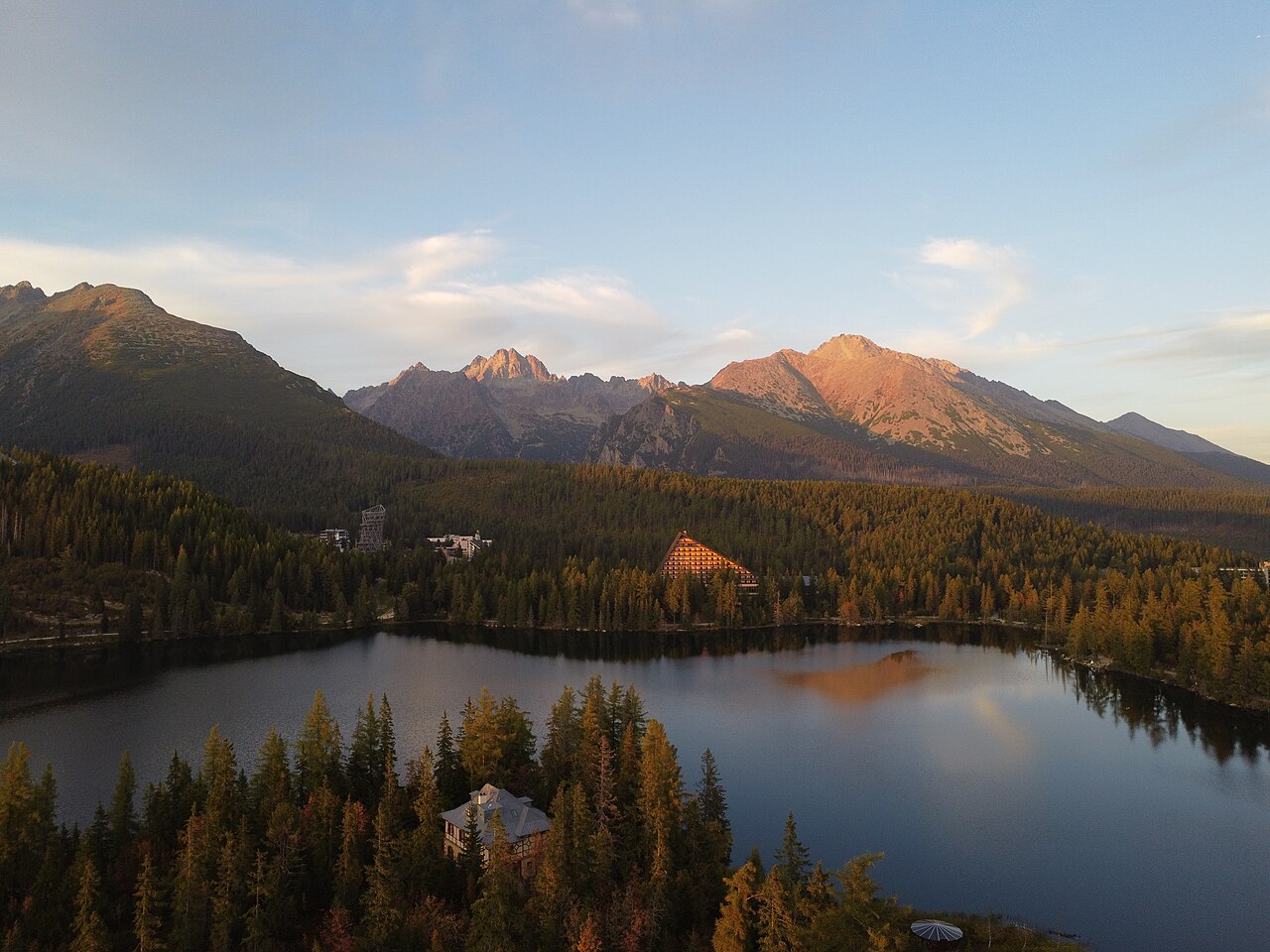
The distances first. Bratislava to the Tatras (Poprad) is about 330 km — roughly 3.5 hours on the mostly-complete D1 motorway, or about 4 hours on the InterCity trains that run the spine. Bratislava to Košice is about 400 km: the direct D1 motorway still has unfinished sections in the east after decades of building, so the road asks 4.5–5 hours and the train about 4 hours 45 minutes is often the calmer choice. Bratislava to Banská Štiavnica is about 175 km (2–2.5 hours); Vienna is 60 km and 1 hour, close enough to be the trip's arrival or departure airport (many Bratislava itineraries fly Vienna and bus or train in). So the unhurried shape is a line, not a loop: Bratislava 2–3 nights (Old Town, Devín, a Small Carpathian wine evening in Modra or Pezinok), the center 2 nights (Banská Štiavnica's mining streets, perhaps Zvolen or Kremnica), the Tatras 3 nights (Štrbské Pleso or Starý Smokovec, riding the Tatra Electric Railway between the resorts and the 19th-century rack line up from Štrba), and the east 2–3 nights (Levoča and Spiš from a Poprad or Levoča base, then Košice), flying out of Košice or Poprad's seasonal airport, or training back along the spine.
Entry is Schengen-standard with Slovak footnotes. Slovakia is in the EU, Schengen and the euro (adopted January 1, 2009): U.S. citizens enter visa-free for 90 days in any 180 across Schengen (U.S. Department of State), with a passport valid 3 months beyond departure; the Department also notes that foreign visitors must be able to show proof of medical insurance covering hospitalisation — carry the printout. The 2021 census counted 5,449,270 residents; the country is compact, affordable by western-European standards, and organized along that single east–west spine, which is why the line beats the loop here. In the mountains, 1 more formality is practical law: Mountain Rescue Service operations are charged, and insurance covering rescue is the hiker's essential paperwork — the Tatras' strictness (marked trails only, seasonal closure November 1–June 15 on the high routes) is the price of their tidiness.
Unhurried Slovakia is a country of small ceremonies: the funicular up to a chalet for lunch, the evening promenade (korzo) in Košice on Hlavná street, a Tokaj cellar by appointment, the salamander-lit streets of Štiavnica. The plan above leaves the afternoons loose enough for them, and it front-loads nothing: the Tatras sit mid-trip, when the traveler is trail-fit and the weather odds can be played across 3 days. What it refuses is the 5-day Bratislava–Tatras dash that most first trips attempt — Slovakia in a hurry is a motorway with castles on it; Slovakia at this pace is a country.
Picture the place
The Tatra Electric Railway clicking between pine forests at dusk, chalet lights coming on in Starý Smokovec, and the Lomnický ridge turning the color of weak tea above the treeline.
The easily missed detail
Poprad-Tatry airport, at 718 m one of Europe's higher airports, has seasonal flights that can put you in the Tatras within the hour of landing — the east-first itinerary (fly to Poprad or Košice, finish in Bratislava and fly out of Vienna) reverses the usual flow and puts the mountains when you're freshest. The second detail is the korzo: Slovak towns promenade in the early evening, and Košice's Hlavná — the widest main street in the country, with the cathedral and singing fountain — is the east's living room at 7 p.m., worth scheduling around rather than through.
A practical rhythm
- West to east in a line — Bratislava → Štiavnica → Tatras → Spiš/Košice, out of Košice or back by InterCity
- 3 Tatra nights minimum — The mountains given a weather window, not a day trip from anywhere
- Wine at both ends — Small Carpathians near the start, Tokaj at the finish: the trip bookended by cellars
What could complicate the plan
The D1's eastern gaps are the itinerary's standing warning: road transfers to Košice and the far east run long and slow behind trucks on the old sections, and winter makes them serious — trains protect the schedule. The Tatra hinge is seasonal law (high trails closed November 1–June 15), so a spring or autumn trip must be designed around valley trails, caves and towns rather than peaks, and a winter trip is a ski trip with different bases entirely. Castle and cave hours shorten sharply outside May–September (many castles close Mondays; some close for winter), and Banská Štiavnica's steep streets and the Tatras' chalet paths ask reasonable knees. Finally, Bratislava weekends in summer fill with Vienna-overflow and stag-party traffic in the Old Town's core — the resident's Bratislava is a weekday Bratislava.
What to do next
Draw the line, book Bratislava and the Tatras first, and decide the exit (Košice, Poprad or Vienna) before the middle fills in.
Sources
- U.S. Department of State, Slovakia travel information — Schengen 90/180 entry; passport 3 months beyond departure; proof of medical insurance
- Statistical Office of the Slovak Republic, 2021 census — 5,449,270 residents
- NDS (National Motorway Company) / Slovak Railways (ZSSK) — the D1's completion state and the InterCity spine timings
- Slovakia.travel — the Tatra Electric Railway, Poprad-Tatry Airport and regional seasons