Solomon Islands country guide When to visit
When is the best time to visit Solomon Islands for Guadalcanal?
The short answer
August — the heart of the drier May–October trade-wind season, when Guadalcanal's battlefields are walkable, Iron Bottom Sound's wreck diving is at its clearest, and the August 7 landing anniversary brings the year's commemoration services to Honiara's memorials.
The answer, with local context
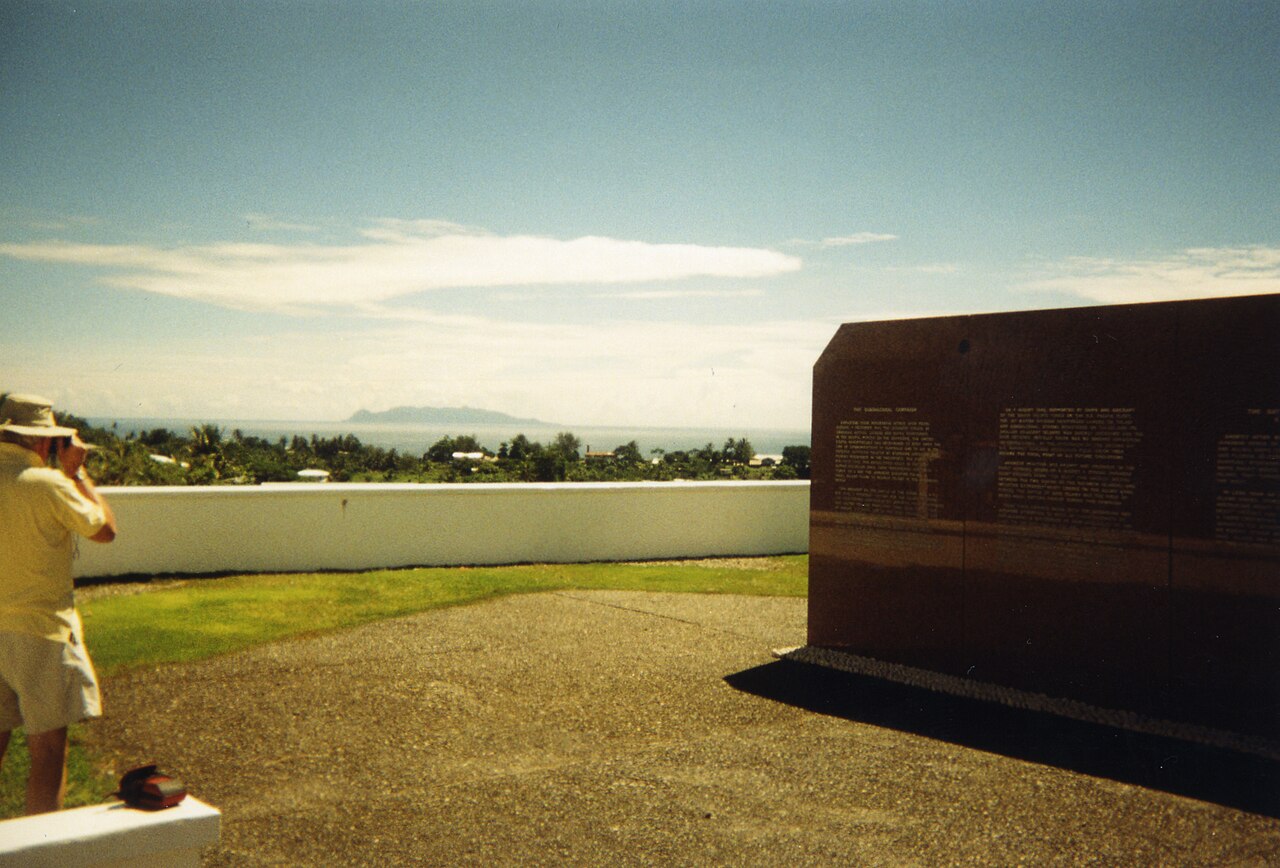
The Solomons have no cold season — temperatures hold 77–90°F (25–32°C) year-round across the whole double chain — so the calendar question is rain and sea state. The wet season runs November to April under the northwest monsoon (and inside the cyclone season; Honiara takes close to 300 mm in its wettest months and about 2,000 mm a year on its sheltered north coast), while May to October brings the southeast trades: humidity drops a notch, boat crossings settle, dive visibility peaks and roads out of Honiara dry. The regional nuance is Guadalcanal's own: its southern Weather Coast catches the trades against the mountains and is wettest mid-year precisely when Honiara's north coast, Malaita and the Western Province are driest — a north-coast-based trip in August sits on the right side of the island. August also carries the anchor's human date. On August 7, 1942, U.S. Marines landed on Guadalcanal in the Pacific war's first Allied offensive; the campaign ran to February 9, 1943, and the anniversary is marked each year with services at the U.S. War Memorial on Skyline Ridge and Solomon Islands' own memorials — visiting the battlefields in anniversary week, with veterans' families and Solomon Islander descendants of the scouts and coastwatchers present, is the deepest version of the trip.
The anchor's substance fills the week around it: Henderson Field, the airstrip the campaign was fought to hold, is now Honiara International Airport (you land on the prize); Bloody Ridge (Edson's Ridge) and Mount Austen keep their sightlines over the airfield and the sound; the Vilu War Museum, some 30 minutes west of town, gathers aircraft and artillery in an open-air garden; the National Museum holds the Solomon Islands side of the war; and Iron Bottom Sound — named for the roughly 50 warships and transports sunk in its waters — dives from Bonegi Beach (the Hirokawa Maru and Kinugawa Maru wrecks lie in snorkel-to-scuba depths off the sand). The published authority facts for entry belong here: the U.S. State Department records a 30-day visitor permit issued on arrival at Henderson, with total stays capped at 90 days in any 12-month period, a passport valid 6 months, an onward ticket and proof of funds; and a specific health-border rule — travelers arriving from measles-affected countries must show proof of measles vaccination given at least 3 weeks before arrival. Malaria is present nationwide (prophylaxis is standard medical advice) and the advisory level is Level 2 (increased caution: crime centred on Honiara, WWII unexploded ordnance, periodic unrest). August, in short, is when Guadalcanal's weather, water, roads and commemorations all say yes at once.
Picture the place
Skyline Ridge on an August morning: the memorial's stone panels above a green slope, the airfield spread below exactly where the perimeter ran, and Iron Bottom Sound glittering flat to Savo Island.
The easily missed detail
The battlefield has a Solomon Islander text that the plaques compress: the Solomon Scouts and Coastwatchers — men like Jacob Vouza (who survived capture and torture to guide Marines at the Tenaru) and the coastwatchers who reported Japanese movements from behind the lines — are commemorated at Honiara's Solomon Scouts and Coastwatchers Memorial, and local guides on Bloody Ridge tell the ground from family memory, not from books. Book the guided version of the battlefield day; the unguided version is a set of attractive hills. The second detail is Rule of the Sound: the wreck sites are war graves and protected — diving is by operator arrangement, penetration and artefact removal are prohibited, and the Bonegi wrecks sit off a village beach with a small customary fee, like everything in these islands.
A practical rhythm
- Anniversary week if you can — Early August in Honiara for the August 7 services, then the battlefield circuit
- Ground before water — Bloody Ridge, Mount Austen and Vilu first; the Bonegi wrecks after
- A westward hop to finish — Munda or Gizo for 3–4 nights of the lagoon Solomons before flying home
What could complicate the plan
Malaria is the standing complication the brochure skips: the Solomons have one of the Pacific's real malaria burdens, transmission is year-round and nationwide, and prophylaxis plus dusk discipline (long sleeves, repellent, nets where provided) is a daily system, not a precaution for remote days — dengue rides the same mosquito. Unexploded ordnance is the second: Guadalcanal and the Florida Islands still yield live WWII munitions (a 2021 explosion in Honiara killed locals working on a cache) — stay on paths at battlefield sites, never handle or dig near metal objects, and dive wrecks only with operators who know the sites. Honiara's urban caution applies after dark (the Level 2 advisory centres on the capital; the 2021 riots burned much of Chinatown, and political tension can close the town center at short notice — build the itinerary so a Honiara shutdown day costs a museum, not a flight). Transport is the fourth: domestic flights to Munda, Gizo and Seghe are few per week and weather-editable, the Guadalcanal road west ends before the Weather Coast (its villages are boat country), and a new electronic visa framework was reported from October 2026 — check whether the on-arrival permit has become an online pre-application before you fly. Consular reality: the U.S. Embassy in Honiara provides no citizen services (Port Moresby covers the Solomons) — evacuation insurance is the practical embassy.
What to do next
Book Honiara for the first week of August, hire the battlefield guide for day 2, and start malaria prophylaxis on your clinician's schedule.
Sources
- U.S. Department of State, Solomon Islands — 30-day visitor permit on arrival (maximum 90 days in 12 months); passport valid 6 months; measles-proof rule for arrivals from affected countries; Level 2 advisory (crime, UXO, unrest); embassy services provided from Port Moresby
- Solomon Islands meteorological record — wet season November–April; drier trade-wind season May–October; Honiara about 2,000 mm a year; the Weather Coast's inverted rainfall
- Historical record — February 9, 1943); Henderson Field; Iron Bottom Sound (about 50 vessels); the Solomon Scouts and Coastwatchers
- CDC / travel-health guidance — malaria present year-round nationwide; prophylaxis recommended