Split / Croatia When to visit
When should I visit Split, Croatia, for the best experience?
The short answer
The first three weeks of September — the Adriatic at its annual warmest, the palace crowds halved from August, the ferries still on summer timetables, and the Dalmatian fjaka fully back in local hands.
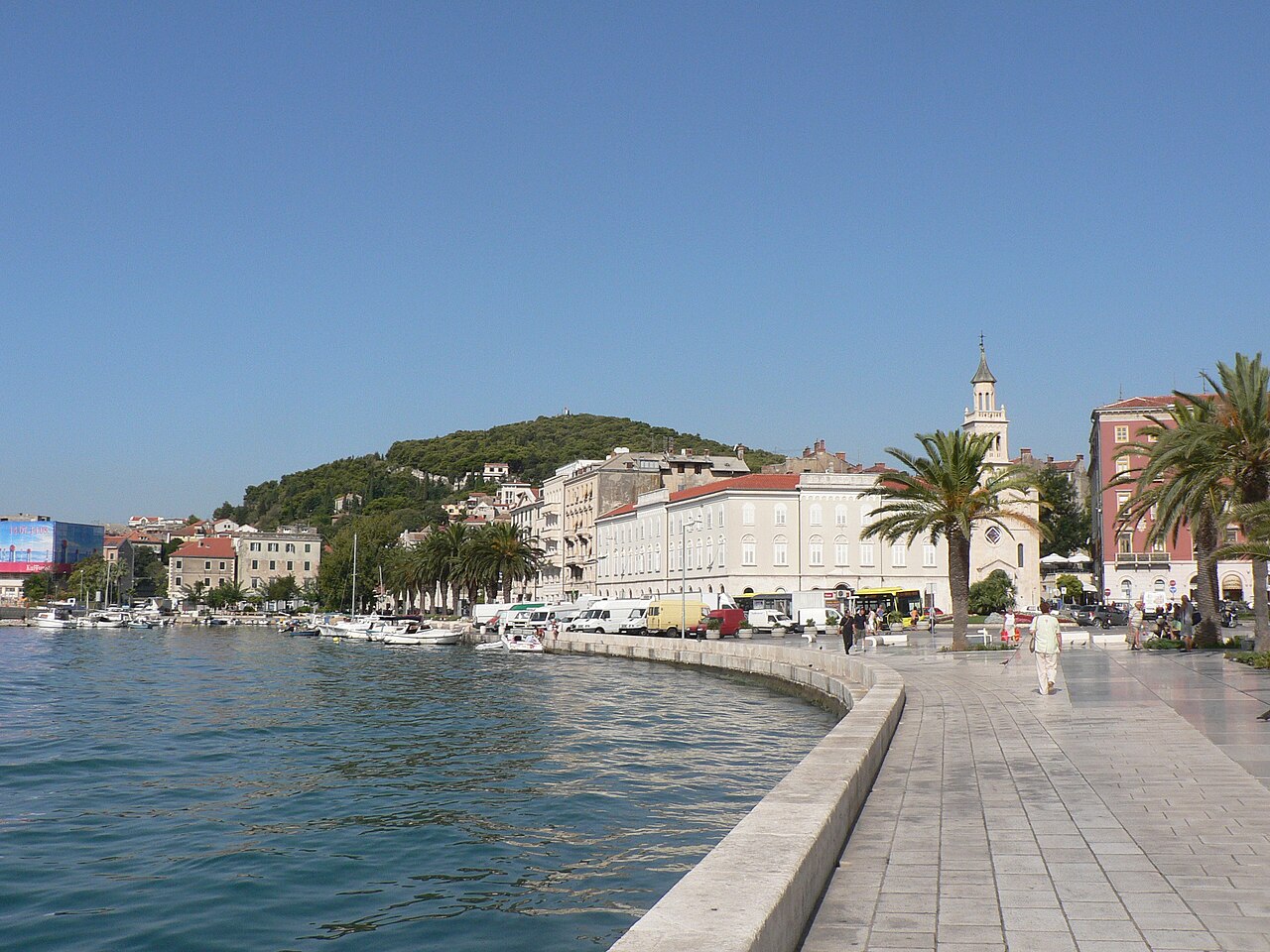
The answer, with local context
Split is a summer city with a summer problem: everything it owns — Diocletian's Palace, the Riva, the island ferries — is at its best in the heat and at its worst in the crowd. September resolves the equation. The sea, which lags the air by a month, peaks around 73–75°F (23–24°C) into the month (the Bačvice shallows hold it longest), while the air settles to 77–84°F (25–29°C) — swimmable, walkable, sleepable. The August mechanism unwinds: Italian ferragosto ends, European schools reopen, the cruise calendar thins, and the palace's lanes — home to some 3,000 residents inside a Roman emperor's retirement home — revert from theme park to neighborhood. Prices follow the demand down, and the light goes golden an hour earlier, which the Riva was built for.
The working infrastructure stays open: Jadrolinija's catamarans still run the summer webs to Hvar, Brač, Vis and Korčula (the fast lines begin cutting back late in the month — check your island before you build on it), the beach clubs wind down gracefully rather than shutting, and the city's own calendar resumes — the concert and theater season restarts, the markets fill with the harvest (figs, grapes, the first mandarins from the Neretva valley down the coast), and the vendemmia begins in the Kaštela vineyards where Zinfandel was born. September weekends also hold the sea's own ritual: the regattas and rowing races of the autumn calendar, watched from the Riva with the whole town.
June is the respectable rival (long days, green Marjan, the sea a few degrees cooler, crowds still assembling) and late May its budget cousin; the Split Summer Festival (mid-July to mid-August, since 1954 — opera and drama staged in the palace's own courtyards) is the argument for enduring July, and Ultra Europe's July weekend is the argument for a specific kind of traveler. But August itself is the anti-answer: 90°F (32°C) heat in a stone city, the palace at capacity, Bačvice towel-to-towel, and prices at their ceiling. September keeps every degree of the water and returns the city. Book the island ferries and the palace-side apartments early anyway — September is the insiders' month, and the insiders have multiplied.
Picture the place
The Riva at 7 p.m. in mid-September: the promenade full but unhurried, the sea glassy and warm behind the moored ferries, and the bell tower of St Domnius catching the last light over the palace roofs.
The easily missed detail
September is when the locals reclaim Bačvice by ritual: the picigin players — the keep-the-ball-up game invented on this beach in 1908, now protected as Croatian intangible heritage — play all year, but the autumn weekends are their championship season of acrobatic saves in the shallows, watched from the beach bars. The companion fact is climatic: September's warmth comes with the season's one mood swing, the jugo — the humid south wind that Dalmatians blame for headaches and bad temper (fjaka's dark twin) — alternating with bora-cleared blue days. A jugo day is a museum day; the palace basement halls were quite literally built for it.
A practical rhythm
- Islands early in the trip — Ferry frequencies taper late September; put Hvar and Brač in week one
- Palace at the day's edges — The Peristyle at 8 a.m. or after 7 p.m.; the midday lanes belong to the day boats even in September
- Sea every afternoon — The water is the month's gift; Bačvice for the scene, Kašjuni and Bene under Marjan for the calm
What could complicate the plan
September is not secret anymore: the first fortnight now prices and books like a fourth summer month, and the best palace apartments go early. Late September carries real rain risk (the first Atlantic systems reach Dalmatia), the sea cools measurably by the month's last week, and one-off events (a regatta weekend, a late Ultra-scale concert) can spike a specific weekend. The island math also changes silently: a catamaran that ran twice daily in August may run once — the return sailing, not the outbound, decides your Hvar day. Anchor the trip in the first three weeks, confirm ferry returns, and the month delivers exactly what it promises.
What to do next
Book September 5–20, take the palace apartment while it lasts, and schedule the islands first and the palace's slow days last.
Sources
- Visit Split (Tourist Board of the City of Split) — the city's seasons, the Split Summer Festival (since 1954) and the autumn regatta calendar
- Jadrolinija — the state ferry line's summer and shoulder-season timetables to Hvar, Brač, Vis and Korčula
- DHMZ (Croatian Meteorological and Hydrological Service) — Split's September air pattern and the Adriatic sea-temperature peak (23–24°C)
- Croatian Ministry of Culture — picigin (invented at Bačvice, 1908) on the national intangible heritage register