Tanzania country guide Food and drink
What local dishes should I try in Tanzania, and where should I look for them?
The short answer
Try ugali, nyama choma, mishkaki and local vegetables on the mainland, then explore pilau, coconut-based curries and seafood dishes along the Swahili coast and Zanzibar.
The answer, with local context
Tanzania's food changes considerably between inland communities and the Indian Ocean coast. The Tanzanian High Commission identifies ugali, rice, chapati, grilled meat, fish, vegetables and beans among common mainland foods.
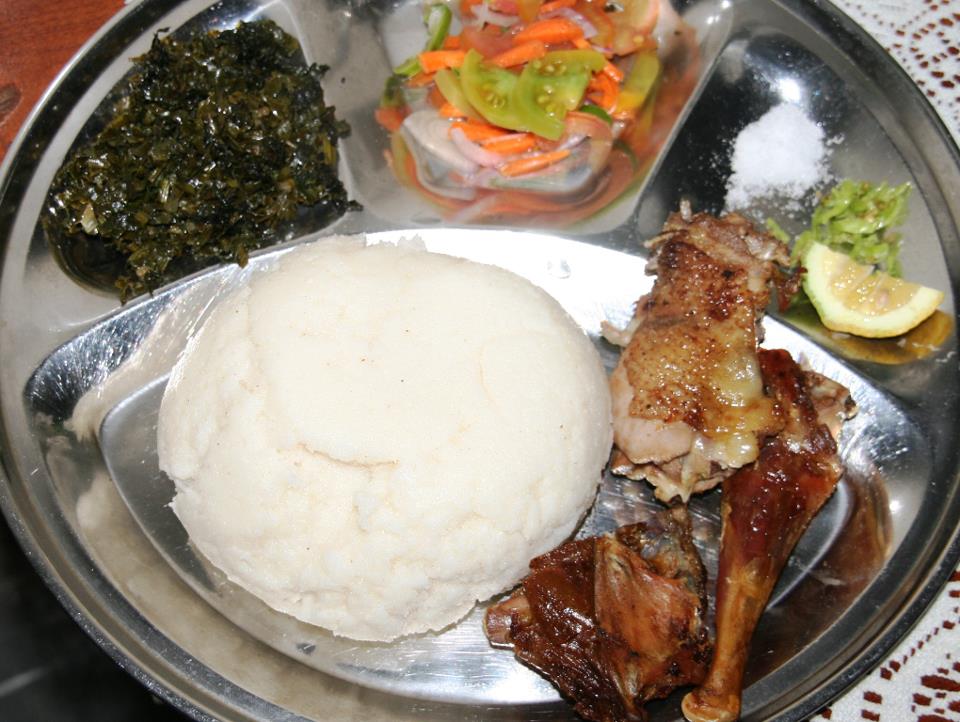
Ugali is a firm staple commonly prepared from maize flour and water. It is eaten with vegetable dishes, stews or meat. The scale of that staple is national: Tanzania's 2026 maize crop was forecast at 7.3 million tonnes inside an aggregate cereal harvest of 12.8 million tonnes, with the southern and central Msimu harvest finishing in late June and the northern and coastal Masika harvest running from early July to late August — the months when market maize is cheapest and freshest. Nyama choma refers to grilled meat, often served alongside vegetables or starches.
Mishkaki consists of seasoned meat cooked on skewers. Other familiar dishes include mchicha, leafy greens, maharage, beans, and ndizi, bananas or plantains used in a variety of preparations.
The coastal regions have stronger connections with Indian Ocean spice traditions. On Zanzibar, look for pilau, seasoned rice prepared with spices, alongside coconut-rich curries, seafood and fried snacks such as sambusa.
Arusha and Dar es Salaam offer opportunities to explore mainland dining, while Zanzibar's Stone Town and coastal communities provide a different culinary vocabulary. Restaurants, markets and neighborhood food outlets offer experiences beyond lodge dining.
Picture the place
A mainland plate may contain firm ugali, grilled chicken or meat, leafy vegetables and chili. Coastal dishes more often feature richly seasoned rice, coconut milk and seafood.
The easily missed detail
Tanzanian food is not one uniform cuisine. Spice levels, staple starches and common proteins vary by region, and a dish described as traditional in Zanzibar may be less common in northern mainland towns.
A practical rhythm
Lunch: Try ugali with vegetables or a cooked meat dish.
Afternoon: Sample a locally prepared snack such as sambusa.
Dinner: Order pilau or a coconut-based dish when visiting the coast.
What could complicate the plan
Some foods contain peanuts, coconut, seafood or meat stock. Travelers with dietary restrictions should clarify ingredients, particularly in prepared sauces and curries.
What to do next
connects the country's regional food traditions with a practical first-trip route.
Sources
- Tanzania High Commission in Nairobi — official description of inland and coastal Tanzanian foods.
- UNESCO Stone Town — historical context for Zanzibar's cross-cultural influences.
- FAO Global Information and Early Warning System, country brief for the United Republic of Tanzania — reference date 10 July 2026: a 2026 maize forecast of 7.3 million tonnes within aggregate cereals of 12.8 million tonnes, the Msimu harvest concluded in late June, the Masika harvest from early July to late August, and the Vuli crop due for harvest in January and February 2027.