Tanzania country guide When to visit
When is the best time to visit Tanzania for Serengeti?
The short answer
June through October is a strong period for a Serengeti-focused Tanzania safari, especially for dry-season game viewing, while January and February can be rewarding for calving activity in the southern Serengeti ecosystem.
The answer, with local context
Tanzania's seasons vary between its northern wildlife circuit, high mountains and Indian Ocean coast. For the Serengeti, the distinction between dry-season wildlife viewing and migration-related activity is especially important.
The Serengeti National Park was inscribed on the UNESCO World Heritage List in 1981, under natural criteria (vii) and (x). Its inscribed area covers 1,476,300 hectares, approximately 14,763 square kilometers. UNESCO recognizes the ecosystem's exceptional migration of wildebeest, zebra and other herbivores.
During the dry months, vegetation is generally less dense and animals can become more concentrated around available water. June and July can coincide with significant herd movements, while river-crossing activity is often associated with later dry-season months. The migration is a moving ecological system, not an event on a guaranteed date.
In January and February, calving activity may be found in the southern Serengeti ecosystem, including areas around Ndutu in the neighboring Ngorongoro Conservation Area.
Elsewhere in Tanzania, Kilimanjaro's altitude creates very different conditions from the safari plains, and Zanzibar's coastal climate follows its own rainfall and wind patterns.
Picture the place
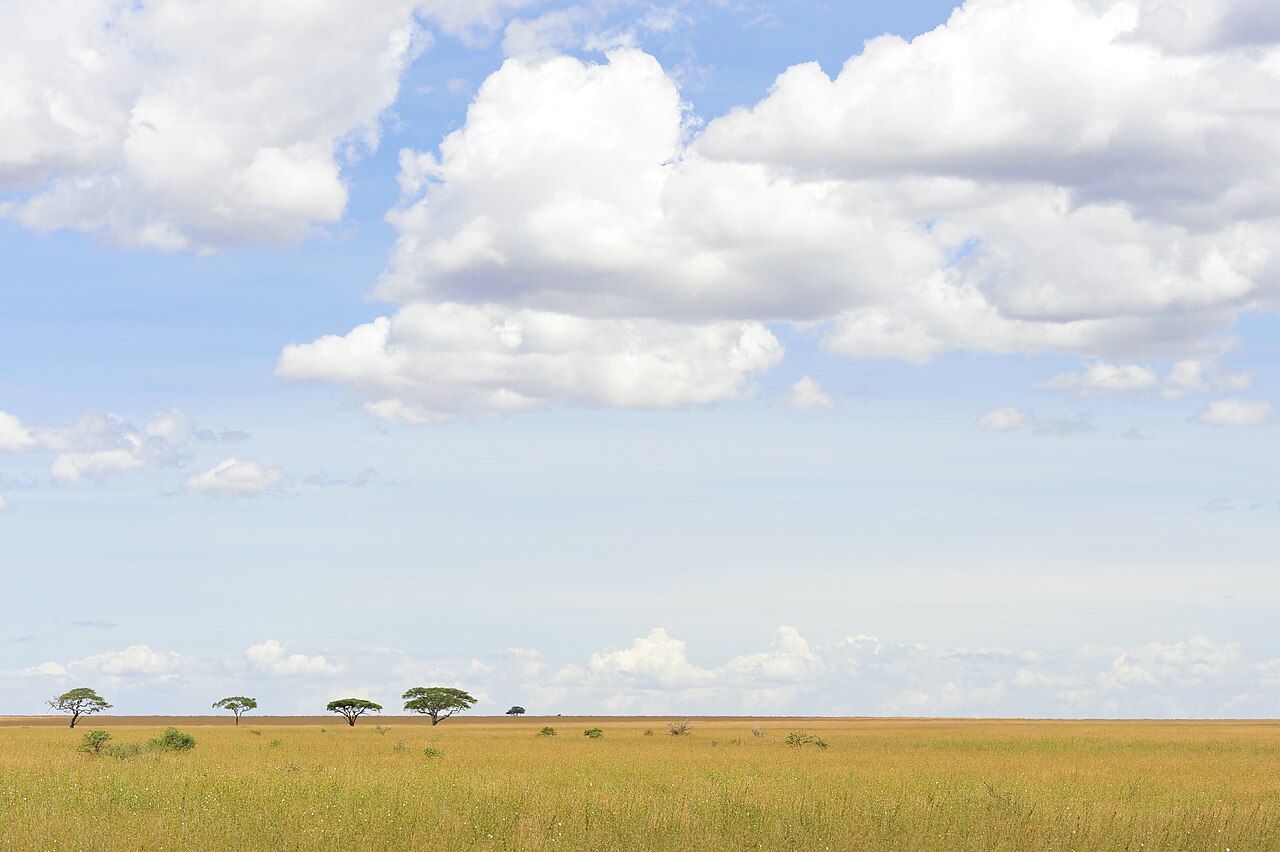
The Serengeti's wide grasslands are interrupted by rocky outcrops, scattered trees and river corridors. In wetter months, green vegetation changes the appearance of the landscape.
The easily missed detail
The Great Migration extends beyond the boundaries of Serengeti National Park. Some important seasonal wildlife areas lie in the larger Serengeti–Mara ecosystem, including neighboring protected lands.
A practical rhythm
June–July: Focus on the northern Tanzania safari circuit.
August–October: Consider northern Serengeti areas for dry-season wildlife viewing.
January–February: Explore the southern Serengeti ecosystem for calving-season activity.
What could complicate the plan
Long road journeys, seasonal rainfall and park accommodation availability can affect the itinerary. TANAPA maintains separate conservation charges and park-entry requirements, and its publicly accessible fee listings include older tariff periods; prices should not be treated as current without an updated schedule.
What to do next
explores the country's historical, mountain and coastal attractions beyond a conventional safari.
Sources
- UNESCO World Heritage Centre — Serengeti inscription, area and ecological significance.
- Tanzania tourism — migration seasons and rainfall.
- TANAPA — park conservation fee structure; published tariff-year limitations noted.