United Arab Emirates country guide Trip planning
How can I plan a memorable first trip to United Arab Emirates without rushing?
The short answer
Give yourself ten days and treat the visa-free period as the outer frame — US citizens holding a regular passport with an M or F sex marker are generally granted a no-fee visitor visa on arrival for stays of up to 30 days, with any extension left to the discretion of immigration officials.
The answer, with local context
The paperwork is simpler than most Gulf destinations, but it is unforgiving on detail. Your passport must be valid for at least six months beyond your date of entry and carry at least one blank page for the entry stamp. Emergency 12-page passports are not accepted, and neither are passports with an "X" sex marker; travelers holding either may be denied boarding or entry. Diplomatic and official passport holders need a visa before travel. The UAE does not recognize dual nationality, and only the passport used to enter is recognized thereafter.
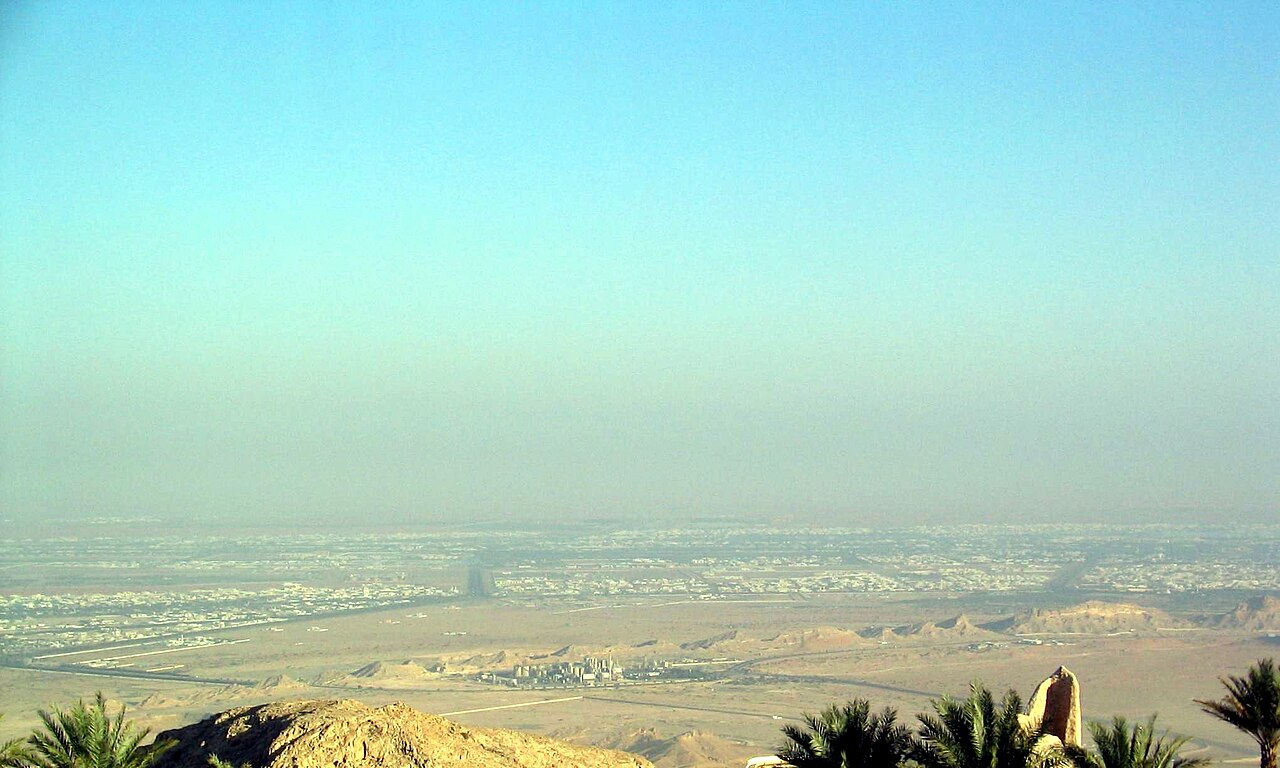
The sequencing advantage of a seven-emirate federation is that you do not need internal flights. Abu Dhabi and Dubai are roughly 85 miles apart; Al Ain sits inland from both; Sharjah and Ajman adjoin one another on the coast; Fujairah faces a different sea. A ten-day trip can take each of those at walking pace rather than as a checklist, and the Cultural Sites of Al Ain — inscribed in 2011 at the World Heritage Committee's 35th session, and one of two Emirati properties the World Heritage Centre now lists, alongside the Faya Palaeolandscape — is a serial listing of 17 components that genuinely rewards two unhurried days rather than one.
Abu Dhabi's Department of Culture and Tourism publishes the figures that make two days there sensible rather than indulgent. Al Ain Oasis is open daily from 9:00 to 19:00, covers 136 hectares and holds more than 147,000 date palms; Hili Oasis adds about 40,000 palms across 60 hectares, and Muwaiji about 21,000 more. Among the Hili sites, the Grand Tomb is more than 4,000 years old, 12 meters across and stood at least 4 meters tall when it still had its roof, while Hili 8 is recorded as the earliest known agricultural village in the country, at around 3000 BCE. Hili Archaeological Park opened to visitors in 1969–70. Hours are the binding constraint on all of it, because the department notes they can change over Eid.
Health and road planning deserve a line each. The State Department records that hospitals often require payment or proof of insurance upfront and recommends medical evacuation coverage. It also notes that traffic accidents are a leading cause of death, that drivers should expect high speeds and unmarked speed bumps, and — the detail that changes behavior — that anyone injured in an accident may cause the other driver to be jailed, with both drivers potentially barred from leaving the country. The emergency number is 999, and the US Embassy in Abu Dhabi can be reached at +971 2 414 2200.
The easily missed detail
The exit ban is the rule that can turn a short trip into a long one. Unresolved legal cases, debts, unpaid bills or fines can prevent you from leaving the UAE even if you are only transiting, and outstanding visas must be formally cancelled before a new one is issued. A disputed hotel charge or an unpaid traffic fine is not a trivial loose end here.
A practical rhythm
- Days one to three — Settle on the coast and adjust; the winter months are the only ones in which a full outdoor day is comfortable.
- Days four to six — Move inland to Al Ain for the oases and the archaeology, where the heat is drier and the pace slower.
- Days seven to ten — Cross to the Fujairah side and work back through the northern emirates, keeping the land-border departure fee of 35 dirhams in mind if you plan any overland crossing.
What could complicate the plan
The security picture is the first thing to resolve, not the last. The Federal Aviation Administration has issued a NOTAM recommending caution for US air carriers and commercial operators in the Middle East including the UAE, and the State Department's advisory reports significant disruptions to commercial flights — which makes flexible tickets and a watched itinerary more valuable than usual. The CDC's Global Measles notice names the UAE among affected destinations, so routine immunity is worth confirming. And Ramadan, which shifts roughly eleven days earlier each year, reshapes opening hours across the whole federation rather than in tourist districts alone.
What to do next
Pair this with the when-to-visit question for the seasonal window and the current advisory detail, and with the places question for what Al Ain and the northern emirates actually contain.
Sources
- US Department of State, UAE country information — visa-free period, passport conditions, dual nationality, exit bans, road and medical warnings, emergency contacts, land departure fee
- US Department of State, United Arab Emirates Travel Advisory — flight disruption and the FAA NOTAM
- US Centers for Disease Control and Prevention, travel health notices — Global Measles notice naming the UAE
- UNESCO World Heritage Centre, Cultural Sites of Al Ain — number of serial components
- UNESCO World Heritage Centre, United Arab Emirates — the two inscribed Emirati properties
- UNESCO World Heritage Committee, decision 35 COM 8B.24 — inscription of the Cultural Sites of Al Ain at the 35th session in 2011
- Department of Culture and Tourism — daily opening hours, the Eid caveat, oasis areas and palm counts
- Department of Culture and Tourism — Grand Tomb age and dimensions, Hili 8 dating, the park's opening date