Australia country guide Places and experiences
What should a first-time traveler see in Australia beyond the obvious highlights?
The short answer
Kakadu's rock art galleries, Ningaloo's shore-entry reef, Lord Howe Island's capped paradise and Tasmania — the second rank of Australian wonders, drawn from a national list of 21 World Heritage properties that most first trips only sample at two or three.
The answer, with local context
The obvious highlights — Sydney, the reef, Uluru — are genuinely great, but they are all in the east-and-center arc, and Australia keeps an entire second country off that line. The federal environment department counts 21 World Heritage properties, and the newest shows how deep the bench is: Murujuga, on Western Australia's Burrup Peninsula, was inscribed only in July 2025, protecting a landscape of an estimated one million or more Aboriginal petroglyphs.
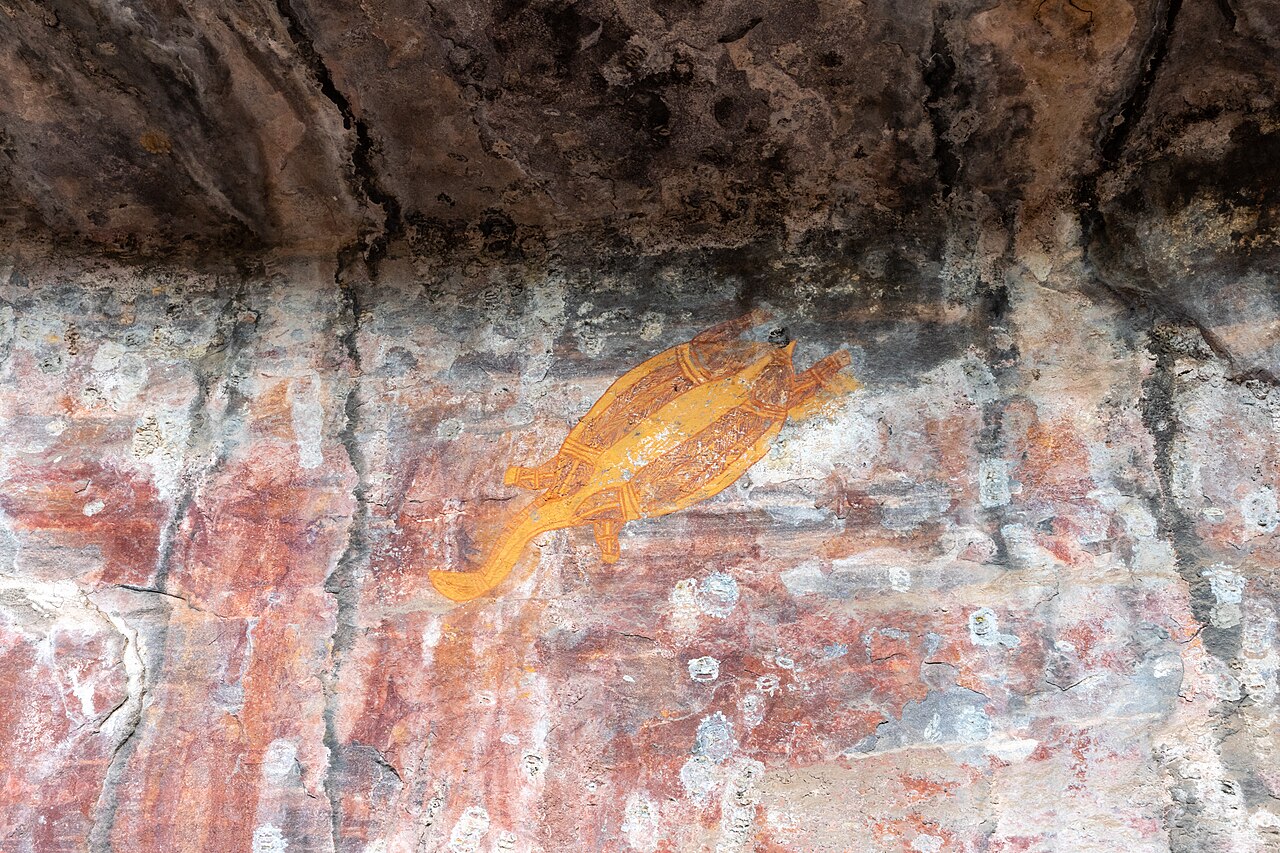
Start in the Top End. Kakadu National Park, three hours east of Darwin, is Australia's largest national park at almost 7,700 square miles (20,000 km²), jointly managed with its Bininj/Mungguy Traditional Owners, and it has been home to Aboriginal people for more than 50,000 years on UNESCO's account. The rock art shelters at Ubirr and Nourlangie hold paintings up to 20,000 years old — hunting scenes, ancestral beings, and, in the upper layers, sailing ships and buffalo from the contact era, a gallery that never closed. Go in the Dry, May to October, when the floodplain roads are open and the billabongs shrink into bird-concentrated lagoons.
The west answers the reef question differently. On the Ningaloo Coast, World Heritage-listed in 2011, one of the world's longest near-shore fringing reefs runs 160 miles (260 km) close enough to the beach that you wade in from the sand at Turquoise Bay — no boat, no pontoon — and from roughly March to July whale sharks cruise the same water, in one of the planet's most reliable encounters with them. In the far south of the same state, and a two-hour flight from Sydney, Lord Howe Island plays by rules written in law: a World Heritage island of 1982 sheltering the world's southernmost coral reef, with about 350 residents and a statutory-style cap of 400 visitors on the island at any one time, bicycles instead of hire cars.
Tasmania, an hour's flight south of Melbourne, compresses the argument: the Tasmanian Wilderness World Heritage Area covers about a fifth of the island; Hobart's MONA, the Museum of Old and New Art opened in 2011, is the largest privately funded museum in the Southern Hemisphere by its own account and reason enough for the flight; and Port Arthur's convict ruins anchor the Australian Convict Sites listing of 2010. Kangaroo Island, off Adelaide, keeps a third of its land in conservation reserves and its sea lions on the beach at Seal Bay.
Picture the place
At Ubirr an hour before sunset the gallery walls run red and ochre under their overhang — barramundi, goannas and long-armed ancestral figures layer over layer — while below the rock the floodplain spreads out in gold grass to the East Alligator River.
The easily missed detail
Kakadu's art is not a relic — it is a record still being written. The shelters were painted continuously from the Ice Age into living memory, which is why the newest panels show Macassan sailing praus, buffalo and rifles next to creation beings: it may be the longest continuous art tradition on Earth, and a Bininj guide reads it like a newspaper archive, not a ruin.
A practical rhythm
- Morning — Ubirr at opening, before the day builds its Top End heat, with the climb to the lookout saved for the same cool hour.
- Midday — Ningaloo from the beach: drift-snorkel Turquoise Bay's current line at midday when the light fires the coral, whale shark boats on the booked day.
- Evening — Hobart's waterfront and MONA's late sessions, or a Tasmanian paddock-to-plate dinner — the island exports its larder as seriously as its wilderness.
What could complicate the plan
Distance is the standing complication — Ningaloo is a two-hour flight from Perth to Exmouth or a 700-mile (1,130 km) drive, Kakadu needs its own days out of Darwin, and Lord Howe's 400-visitor cap means its lodges book out months ahead in season. The Wet closes Kakadu's best roads and turns its waterfalls spectacular but unreachable; the beyond-the-highlights Australia rewards the traveler who assigns each region its own season rather than its spare days.
What to do next
Choose one — north, west or Tasmania — and give it the days the obvious highlights would have taken. The planning question in this group explains how to fit that choice into a first trip without rushing.
Sources
- UNESCO — Kakadu National Park (1981), the Ningaloo Coast (2011) and the Lord Howe Island Group (1982): sizes, occupation spans and reef descriptions
- Australian Government Department of Climate Change, Energy, the Environment and Water (DCCEEW) — Australia's 21 World Heritage properties, including Murujuga, inscribed July 2025
- Tourism Australia — Lord Howe Island's 400-visitor cap, its southernmost coral reef and resident population of about 350
- Parks Australia — Kakadu's joint management with Traditional Owners and the Dry-season access pattern