Botswana country guide Trip planning
How can I plan a memorable first trip to Botswana without rushing?
The short answer
Plan roughly ten to twelve nights around two main safari bases—Maun for the Okavango region and Kasane for Chobe—adding a third destination only if the travel time and road conditions allow it.
The answer, with local context
Botswana is a landlocked southern African country bordering Namibia, Zimbabwe, South Africa, and Zambia. Its major tourism regions are geographically separated. Maun serves as a gateway to the Okavango Delta and Moremi Game Reserve; Kasane lies near Chobe National Park and the country's northeastern border region. Gaborone is the capital, situated in the southeast, rather than near the principal northern safari areas.
For U.S. citizens, Botswana permits tourist or business visits of up to 90 days without a visa. The Botswana embassy in Washington lists the United States among visa-exempt countries. The U.S. State Department's entry guidance requires a passport with at least six months' validity beyond arrival and departure, along with three blank passport pages. Botswana does not accept the 12-page U.S. emergency passport for visa-free entry.
Traveling with minors has additional requirements. The State Department advises carrying original or certified birth certificates or other proof of relationship for children. When one parent is absent, a notarized consent letter or evidence of sole custody may be required. These requirements can also matter when a journey passes through neighboring South Africa.
Road travel follows left-hand traffic. The State Department identifies an international driving permit requirement for foreign drivers and warns of livestock on roads, poor lighting, and limited shoulders on rural highways. It also notes that some remote destinations have unreliable mobile coverage and that emergency medical evacuation may be delayed, particularly at night.
Botswana's protected-area system includes national parks, game reserves, and private tourism concessions. Moremi Game Reserve was established in 1963 through local conservation efforts associated with the Batawana community. Botswana Tourism describes Moremi as covering approximately 3,900 square kilometers, including floodplains, lagoons, forests, and dryland habitats. A visitor staying in a private delta concession should not assume the same access arrangements or activity permissions apply within Moremi.
A comfortable first route is four nights around Maun and the delta, three nights around Kasane and Chobe, then two or three nights for an additional interest such as Makgadikgadi or a different safari habitat. The remaining night can accommodate an arrival, departure, or necessary transfer. Internal flights and road journeys should be treated as part of the trip rather than invisible gaps between wildlife activities.
Picture the place
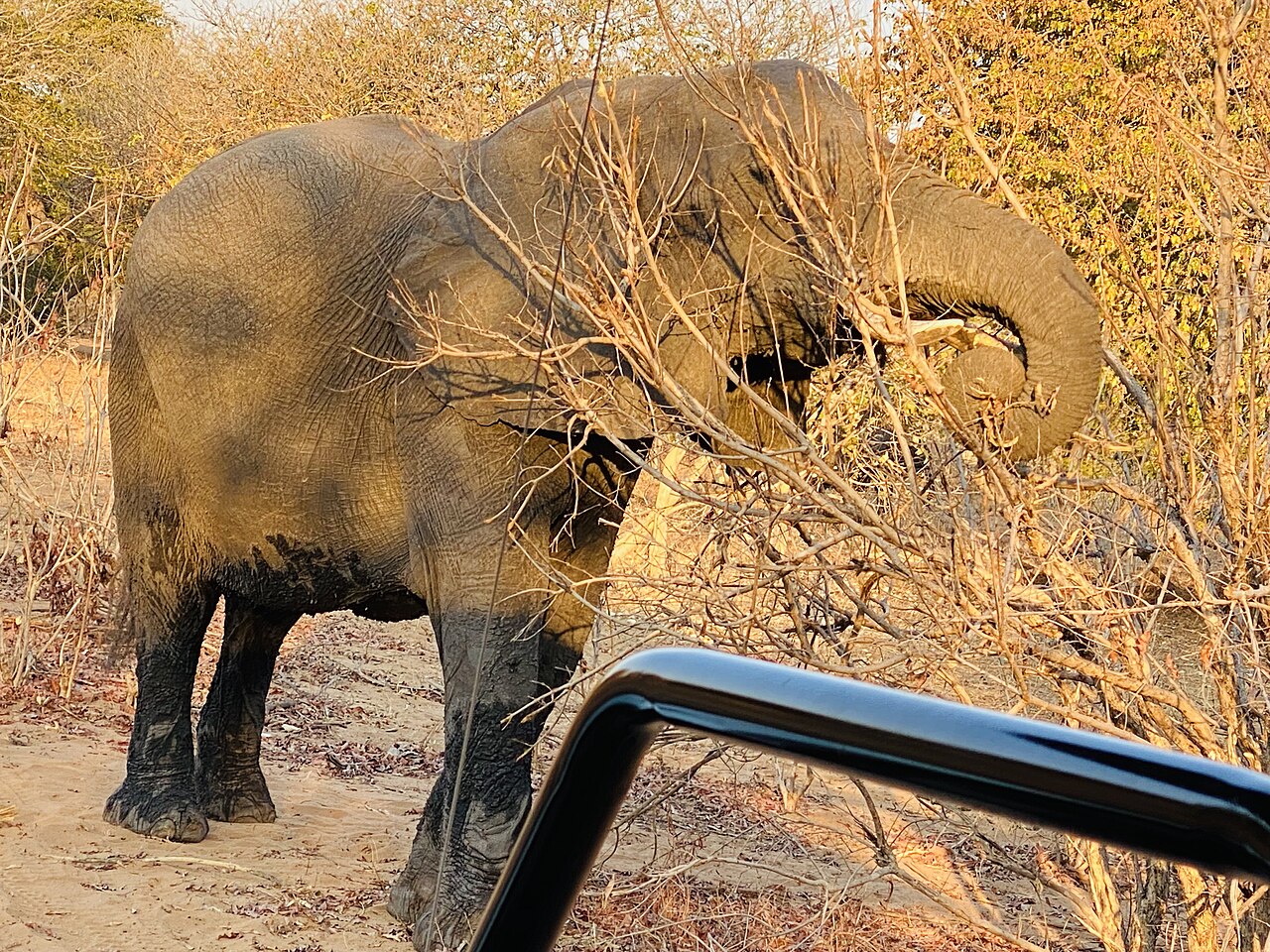
The journey moves from the channels and wooded islands of the northwest to Chobe's riverfront and dry savanna, with long stretches of open country between major settlements.
The easily missed detail
Botswana's currency is the pula, abbreviated BWP. The State Department requires travelers to declare cash exceeding 10,000 pula on entry or exit. Payment arrangements also vary sharply between major towns and wilderness camps, so an itinerary relying on remote lodges needs more advance organization than an urban hotel-based vacation.
A practical rhythm
First stage — Maun and Okavango: Spend several nights in one accommodation base and arrange water or wildlife excursions appropriate to its location.
Second stage — Kasane and Chobe: Explore the riverfront and nearby protected landscapes.
Final stage — One extension: Add Makgadikgadi or another destination rather than attempting a rapid circuit of every reserve.
What could complicate the plan
Botswana's Level 2 U.S. travel advisory dated June 17, 2026 concerns crime, including theft and vehicle break-ins. Medical services can be limited in remote areas. Fuel availability, seasonal road access, and wildlife-reserve regulations matter for self-drive itineraries. The country also has no daylight-saving clock changes and uses Central Africa Time, UTC+2, which is relevant when connecting international flights.
What to do next
provides the seasonal framework for the delta. helps choose an additional destination, while identifies traditional foods to seek in towns and local restaurants.
Sources
- U.S. Department of State, Botswana Travel Advisory and Country Guidance — visas, passports, road rules, currency, and safety.
- Embassy of Botswana, Washington, Visa Guidance — U.S. visa exemption.
- Botswana Tourism Organisation, Moremi Game Reserve — reserve history, area, and protected habitats.
- Botswana Tourism Organisation, Explore Botswana — national destination geography and tourism regions.
- UNESCO World Heritage Centre, Okavango Delta — wetland geography and conservation status.