Egypt country guide Food and drink
What local dishes should I try in Egypt, and where should I look for them?
The short answer
Try countryside feteer meshaltet, stuffed pigeon with freekeh in traditional Egyptian restaurants, and sengari-style fish on the Mediterranean coast to appreciate how food changes across Egypt’s regions.
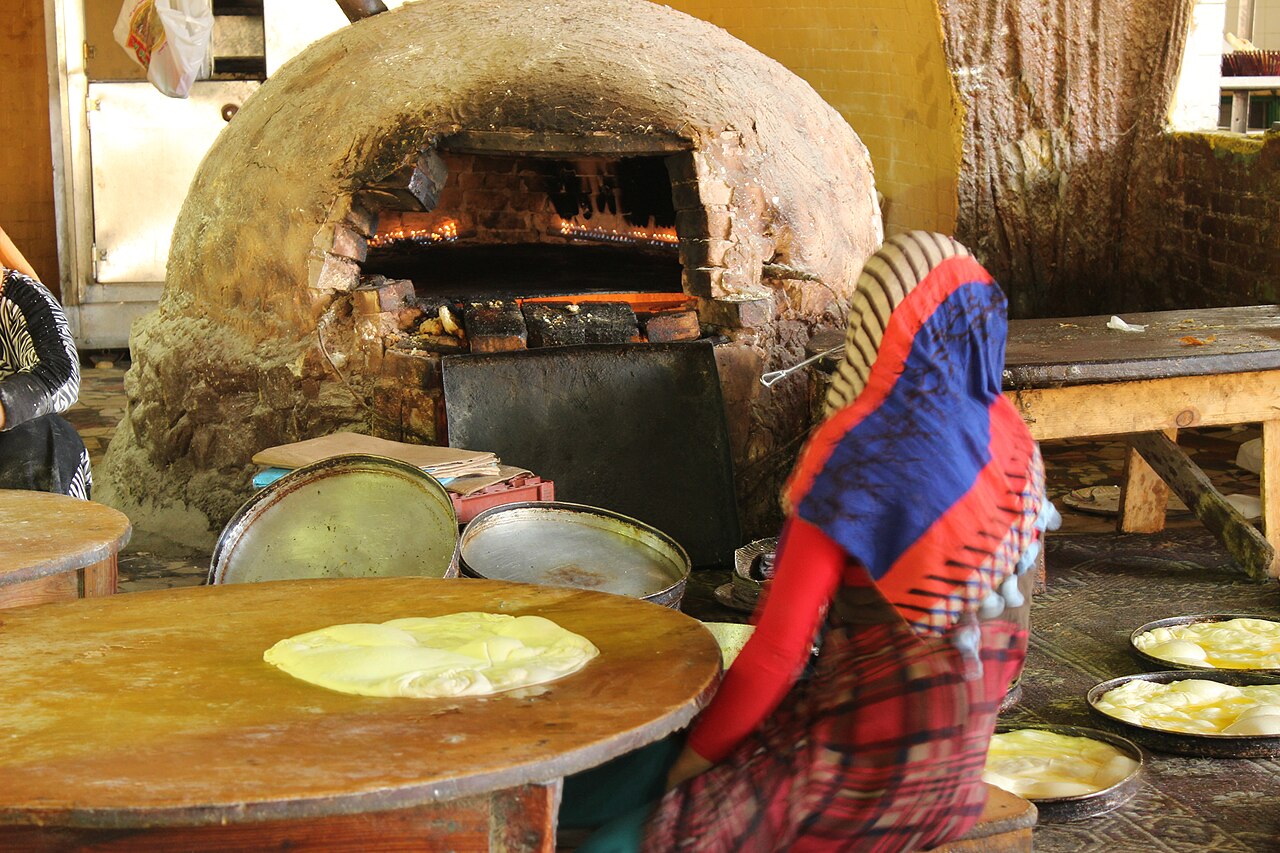
The answer, with local context
Feteer meshaltet is a layered Egyptian pastry made by repeatedly folding and stretching dough with fat, traditionally butter or ghee. Egypt’s national tourism authority describes countryside preparations baked in traditional mud-brick ovens. The finished pastry can accompany honey, cheese or savory foods. Its method distinguishes it from ordinary baladi flatbread because the layers are created through repeated folding.
A traditional celebration dish is hamam mahshi, stuffed young pigeon. Its filling commonly includes freekeh, grain produced from immature wheat that is harvested and processed before being fully mature. Stuffed grape leaves, known as wara enab, belong to the wider Egyptian repertoire of filled foods. They wrap rice and seasonings in vine leaves and may be prepared with or without minced meat.
Coastal cooking shifts toward fish. Alexandria’s Mediterranean position gives visitors access to a different range of seafood preparations from the Nile Valley. Sengari describes a method in which fish is opened and cooked with ingredients such as garlic, onion, vegetables and seasonings. Egyptian seafood restaurants also serve grilled fish, shrimp dishes and tahini-based accompaniments.
Grilled meats provide another distinction. Kabab generally consists of pieces of meat cooked over direct heat, while kofta uses seasoned minced meat formed into elongated portions or skewers. These dishes may appear together on a mixed-grill platter, but their ingredients are shaped differently before cooking. Their preparation should not be confused with the filled bread of hawawshi.
Desserts include basbousa, made with semolina, and kunafa, prepared with fine pastry strands or shredded dough. Qatayef is associated with Ramadan and consists of small folded pancakes or pastries enclosing fillings. During Eid al-Fitr, Egyptian families also prepare kahk, cookies that may contain dates, nuts or sweet fillings.
The importance of everyday cooking extends beyond a single dish. In 2025, UNESCO recognized Egypt’s koshari preparation and sharing practices as intangible cultural heritage. This was a designation of culinary knowledge and social practices rather than the award of a protected geographical label to one restaurant or recipe.
Picture the place
Feteer appears as a broad, golden pastry with numerous thin folds. Stuffed pigeon is compact, enclosing cooked grains, while coastal fish may be presented opened and seasoned across the flesh.
The easily missed detail
Freekeh is wheat, not a gluten-free grain, despite its different color and texture from ordinary wheat flour. Traditional feteer and semolina-based basbousa also contain wheat ingredients. Several dishes that look substantially different can therefore present the same dietary issue.
A practical rhythm
Countryside breakfast — Feteer: Seek a bakery or rural kitchen preparing fresh layered pastry.
Nile Valley lunch — Stuffed dishes: Order hamam mahshi or wara enab at a traditional Egyptian restaurant.
Mediterranean dinner — Seafood: In Alexandria, choose an establishment preparing sengari-style fish or another locally available seafood dish.
What could complicate the plan
Traditional stuffed-pigeon preparations frequently use wheat-based freekeh, and pastries may contain butter, nuts or dairy. Grape leaves can contain meat even when their outer appearance suggests a vegetable dish. For travelers with food allergies, shared cooking equipment and undeclared ingredients can matter as much as the visible components. The CDC’s international food-and-water guidance identifies food handling and untreated water as potential sources of illness during travel.
What to do next
lays out the regional journey connecting Cairo, Luxor and Aswan. identifies additional sites that justify traveling beyond the usual first-time highlights.
Sources
- Experience Egypt, Egyptian Food Favorites — national dishes, feteer, stuffed foods, grilled meats and seafood preparations.
- UNESCO Intangible Cultural Heritage, Koshary — 2025 designation and associated culinary practices.
- U.S. Centers for Disease Control and Prevention, Yellow Book, Food and Water Precautions — food preparation and travel-health considerations.