Estonia country guide Trip planning
How can I plan a memorable first trip to Estonia without rushing?
The short answer
Give it nine to ten days and drive a loop — Tallinn, Lahemaa, Tartu, the southern sauna country, Pärnu and one island — because Estonia is a small country (about the size of the Netherlands) whose pleasures are spaced, not stacked.
The answer, with local context
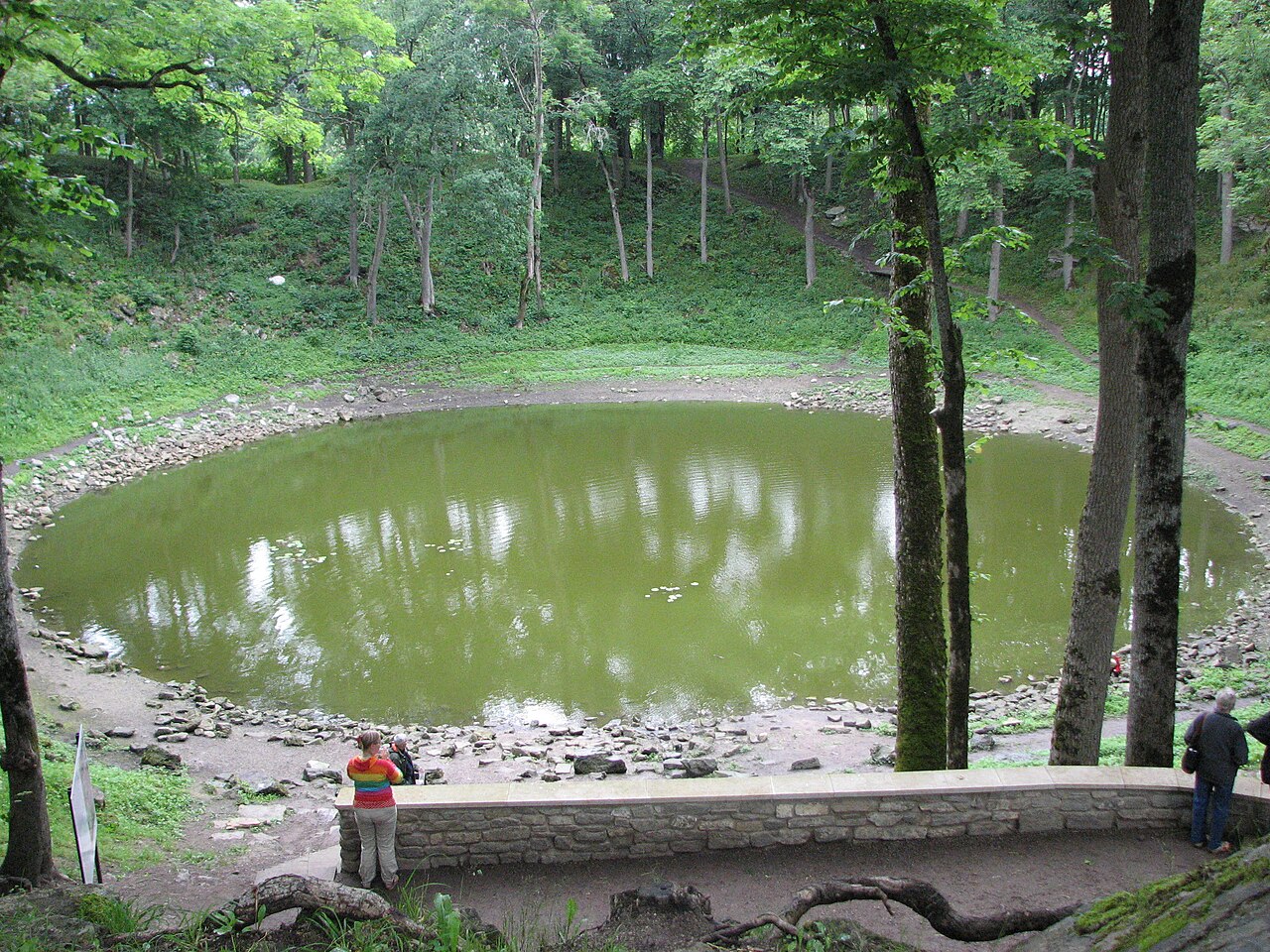
The unrushed Estonia is built on the country's real numbers: 17,462 square miles (45,228 km²) of territory, 1.37 million people, half of it forest and a fifth of it bog and wetland — which means the sights are beads on long green strings and the driving between them is part of the pleasure. Plan a loop, not a hub: Tallinn repays three nights (two full days for the Old Town, Kadriorg and the Seaplane Harbour, one evening kept deliberately empty); Lahemaa takes one night in a manor hotel (Palmse or Sagadi's estate buildings sleep guests) rather than a day trip; Tartu takes two nights for the university town, its museums and the Ahhaa science center; the southern hills (Otepää, Haanja) take one night built around a booked smoke sauna; Pärnu takes one night for the beach promenade and the old spa town; and one island takes two — Saaremaa for castles and craters, or Hiiumaa for lighthouses and quiet. That is ten nights; trim Pärnu or the south before trimming the islands, because ferry time enforces the slowness that makes island days work.
Pace by Estonia's clocks. The summer day is 18 hours long — sightseeing can run to a 10 p.m. golden evening, so start late without guilt and put museums in the morning crowds' wake. The winter day is six hours long, and the same itinerary inverts: sights between 10 and 3, sauna and long dinners after dark, and the winter-only spectacles (the frozen Baltic, official Transport Administration ice roads to the islands when conditions allow, Jägala waterfall iced into a climbing wall near Tallinn) become the point. Season chooses the route: late June for midsummer and white nights; September for mushroom forests, bog color and the bird migration over Matsalu (one of Europe's great autumn birding wetlands, a national park on the west coast); December for the Old Town's Christmas market, with a sauna booked as daily infrastructure, not a treat.
Build in the Estonian institutions as appointments, not hopes: the smoke sauna must be reserved days ahead (it heats for hours); bear-watching hides in Alutaguse run on fixed nights in late spring; national park boardwalks (Viru, and the Meenikunno and Kakerdaja bogs in the south and center) are free and always open but are best at dawn, so sleep near them. Logistics are mercifully simple: the currency is the euro, the roads are good and empty, Tallinn's airport sits ten minutes from the Old Town, and ferries to the islands (Virtsu–Kuivastu for Saaremaa, Rohuküla for Hiiumaa) take reservations online — book the summer car slots when you book hotels. The last discipline is negative: resist adding Latvia. Riga is four hours south and worth its own trip; Estonia at walking pace is the memorable version.
Picture the place
Evening six of the loop, in a Lahemaa manor yard: swallows over the pond, the bog walk's boots drying by the door, dinner's potatoes dug an hour ago — the country's scale suddenly feeling not small but exactly right.
The easily missed detail
Estonia lets you sleep inside its heritage: the manor network is the country's secret hotel system. Dozens of the Baltic-German estates — Palmse and Sagadi in Lahemaa, Vihula nearby, and manor hotels across the south — rent rooms in the main house or estate buildings at guesthouse prices, often with the park, the distillery museum and the estate sauna included. A trip strung between manors has a rhythm no chain hotel can copy: breakfast where the baron's family ate, then out into the forest by nine.
A practical rhythm
- The ten-night loop — Tallinn 3, Lahemaa 1, Tartu 2, the south 1, Pärnu 1, one island 2: one base change every day or two, never twice in a day
- Book the slow things first — Smoke sauna, bear hide, island ferries and manor rooms: the four things that cannot be improvised
- Mornings for roads, evenings for places — Drive after breakfast, arrive by lunch, and give each new place its golden evening rather than its noon
What could complicate the plan
Summer weekends compress: ferries, manor hotels and Tallinn's Old Town fill with Finns, Latvians and Estonians themselves, so the loop's island and manor nights belong midweek when you can choose. Winter roads demand winter driving — ice and early darkness shrink the comfortable day to the south's short hops, and some rural sights close entirely from November to March. The Song Celebration year (2029) is its own gravitational field: the country books out around the festival and prices follow. Paperwork is the easy part: Estonia is a party to the Schengen Agreement, so no visa is needed for a short stay, the passport should be valid at least 6 months beyond it and offer 1 page per entry stamp, and the stay itself is capped at 90 days within any 180 days counted across the whole zone.
What to do next
Draw the loop on the map, book ferries and manors for the island and Lahemaa nights first, and leave two afternoons officially empty — Estonia fills them itself.
Sources
- Statistics Estonia — population about 1.37 million; territory 45,228 km², with forest covering about half the land
- Transport Administration (Transpordiamet) — the official ice roads and the island ferry routes (Virtsu–Kuivastu, Rohuküla–Heltermaa)
- RMK (State Forest Management Centre) — the national park trail network and bog boardwalks
- Visit Estonia — the manor-house accommodation network across Lahemaa and the southern counties
- US Department of State, Estonia country information — Estonia as a party to the Schengen Agreement, passport valid for at least six months beyond the stay, one page per entry stamp (retrieved 5 November 2026)
- European Commission, Migration and Home Affairs — the maximum of 90 days within any 180-day period and the count-back method (retrieved 5 November 2026)