Great Barrier Reef / Australia When to visit
When should I visit Great Barrier Reef, Australia, for the best experience?
The short answer
August to October for the classic outer-reef trip from Cairns or Port Douglas — but choose your gateway before your month, because a reef this long runs several calendars at once, and its southern end is doing something interesting in almost every month of the year.
The answer, with local context
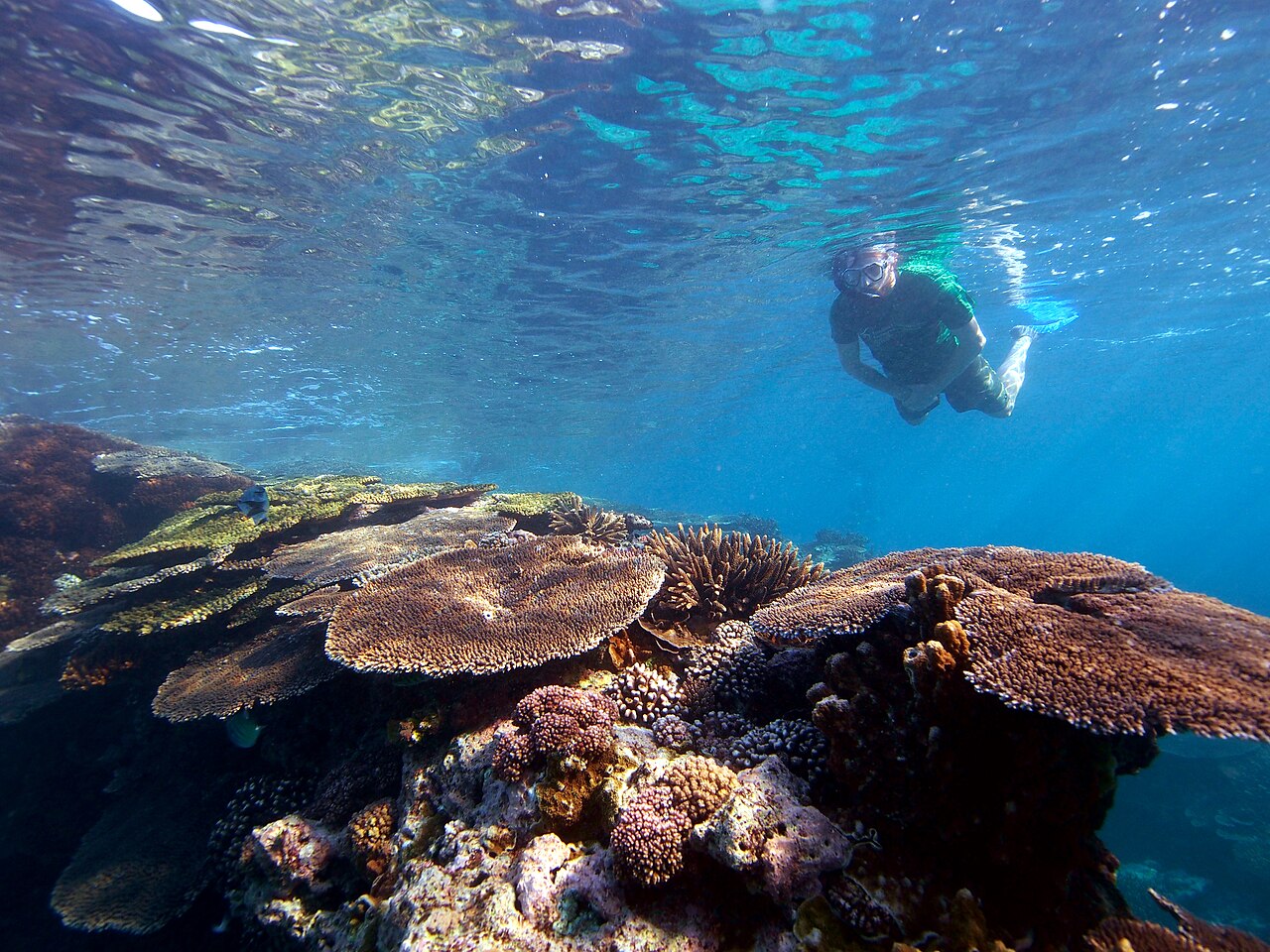
The Great Barrier Reef Marine Park runs 1,430 miles (2,300 km) down the Queensland coast through 14 degrees of latitude, so "the reef" in July is at least three different places. Off Cairns and Port Douglas in the north, August to October gives the snorkeling its best arithmetic: settled seas after the midwinter trade winds ease, water around 77–79°F (25–26°C), and visibility on the outer reefs at its annual best. June and July are the north's special season rather than its best all-round one — the only months when dwarf minke whales gather on the Ribbon Reefs north of Port Douglas, and the months when the southeast trades regularly roughen the crossing for small-boat passengers.
The middle and the south keep different appointments. In the Whitsundays, the sailing season peaks from August to October on the same settled pattern, with humpback whales moving through the islands from June into September. At the reef's southern tip, the calendar inverts: Lady Elliot Island's manta rays peak in the cooler months, roughly May to August, while its green and loggerhead turtles nest from November into January and the hatchlings run to the sea from January to March — the southern summer the northern gateways are warned against is the south's wildlife high season, watched over by the turtle tours at Mon Repos near Bundaberg, which Queensland Parks runs on booked nights from November to March.
Underneath the wildlife, the Reef Authority's own numbers frame the year: the park receives roughly two million visitor days annually, concentrated in the dry months, and its zoning plan — in force since July 1, 2004 — is the constant in every month, dividing the park into 70 bioregions and reserving a third of it as no-take Green Zones. The practical translation: the famous sites are at their calmest and clearest from August to October, and at their emptiest on the shoulder weeks either side, when the day boats run half-full.
Picture the place
From the back deck of a Port Douglas catamaran in mid-September, the Coral Sea lies out in hammered silver to the edge of the shelf, the outer reef shows as a darkening in the water half a mile off, and the only weather in the sky is the trade wind's own white embroidery along the horizon.
The easily missed detail
The reef's water temperature barely explains its seasons; its wind does. The June–July "dry season" that brochures sell as uniform is, on the water, the roughest quarter of the reef year — the trades that clear the sky also build the swell on the 90-minute crossings to the outer pontoons. Travelers who get seasick should not aim for the middle of the dry; they should aim for its end, August to October, when the wind lets go.
A practical rhythm
- Morning — Every reef town runs on the morning boat: departures from Cairns, Port Douglas and Airlie Beach cluster between 7 and 9 a.m., when the Coral Sea is at its stillest.
- Midday — On the water, not over it: the outer-reef pontoons hold their snorkel sessions through the middle of the day, when the light is vertical and the coral color is at full strength.
- Evening — Turtle nights in the south and minke-season liveaboards in the north are booked months ahead; the evening's job in reef towns is dinner and an early night before the next boat.
What could complicate the plan
The November coral spawning — a few nights after the full moon — is the one wet-season event worth planning toward rather than away from, for divers; it is also squarely inside stinger and cyclone season, and the operators who run spawning trips run them as expeditions, not day trips. At the other extreme, the late-December to January holidays fill the Cairns and Airlie boats to their permit limits, and a reef trip in that window should be booked before the flights are.
What to do next
Name the gateway and the animal, then the month: mantas and turtles mean the south, minkes mean the northern winter, and the classic postcard snorkel means Cairns or Port Douglas from August to October.
Sources
- Great Barrier Reef Marine Park Authority (Reef Authority) — the Marine Park's visitor use of roughly two million visitor days a year, the Zoning Plan 2003 in force since July 1, 2004, and the park's 70 bioregions
- Queensland Parks and Wildlife Service — the Mon Repos turtle season, November to March, and Lady Elliot Island's position at the reef's southern end
- Tourism and Events Queensland — gateway seasonality: minke whales on the Ribbon Reefs in June–July, humpbacks in the Whitsundays from June to September