Great Barrier Reef / Australia Food and drink
Where should I eat in Great Barrier Reef, and which local food or drink is worth trying?
The short answer
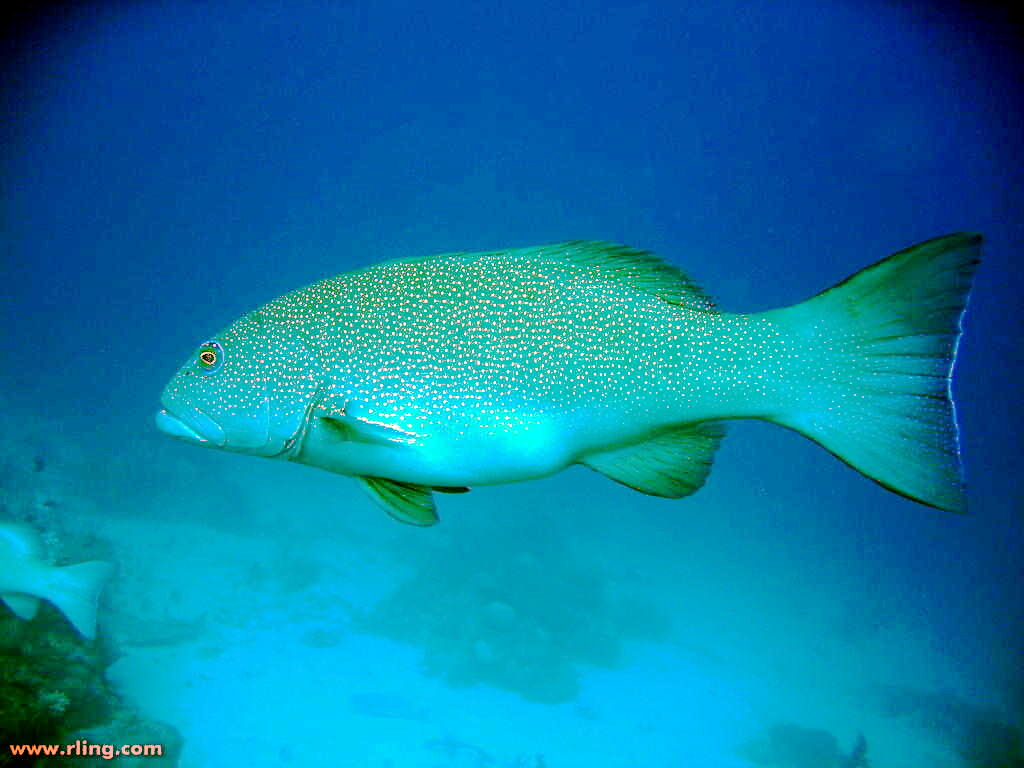
Coral trout — the reef's signature fish, grilled whole at a Cairns marina restaurant — with the honest footnote that nobody eats dinner on the reef itself: the reef's dining rooms are its gateway towns, and its day boats feed you lunch as part of the fare.
The answer, with local context
Structure first, because it confuses everyone: a day on the Great Barrier Reef includes a buffet lunch on the boat or pontoon, and that is the whole of reef catering. The real eating happens ashore, in Cairns and Port Douglas in the north, Townsville and Airlie Beach in the middle, and the island resorts — and the dish that belongs to the place is coral trout. This leopard-spotted grouper is the reef's prize table fish, delicate and reef-sweet, and it carries the park's best dinner-party fact: since the Reef Authority's 2004 rezoning lifted no-take Green Zones from under five percent to a third of the park, monitoring by James Cook University and the Australian Institute of Marine Science has found coral trout 1.3 to 1.7 times more numerous and larger inside the Green Zones than in the fished zones — so the giants you snorkel over are protected stock, and the trout on your plate comes from the managed fishery outside them. In Cairns it is served grilled whole at the marina — the floating trawler restaurant Prawn Star is the local institution — and at produce-led rooms such as Ochre, where the menu runs to native ingredients.
Around the trout, the tropical table fills in by season. Mud crabs come out of the northern estuaries year-round and peak in the drier months; tiger prawns are the Coral Sea's staple luxury. The fruit calendar is the Wet's compensation: the Kensington Pride mango, Australia's defining mango variety, runs from October to January, and Rusty's Market in Cairns — more than 180 stalls, Friday to Sunday — stacks mangoes with lychees, dragon fruit and papaya until the stallholders disappear behind them. Near Bowen, the reef coast's mango capital, the Golden Drop winery ferments Kensington Prides from a plantation of some 17,500 trees — it bills itself as the world's first commercial mango winery.
The Atherton Tablelands, an hour inland from Cairns, supply the drinks cabinet. At Skybury, near Mareeba — which describes itself as Australia's oldest coffee plantation — arabica is grown, roasted and poured overlooking the farm, with the harvest running roughly May to September. Nerada Tea, grown near Malanda in some of Australia's highest tea country, advertises a crop-to-cup time of as little as four weeks, and its visitor center pours Devonshire teas within sight of the bushes and the Lumholtz's tree kangaroos that frequent them.
Picture the place
At Rusty's on a Friday morning the mango pyramids stand shoulder-high and sell by the tray, a stallholder is halving a Kensington Pride for a taste with the flat of a machete, and half the cafés of Cairns are doing their weekend buying in the aisles around you.
The easily missed detail
The mango and the reef run on opposite calendars, and Cairns knows it: Kensington Pride season, October to January, is precisely the wet, stinger-shadowed quarter when the reef is at its least inviting — the town's consolation economy of fruit, markets and Tablelands drives is built for the months the boats struggle. A summer trip planned around the table rather than the reef is not a compromise here; it is a local tradition.
A practical rhythm
- Morning — Rusty's Market on Friday, Saturday or Sunday for the tropical fruit breakfast — mango, papaya, dragon fruit — eaten at the market's own tables.
- Midday — On reef days, the boat's buffet is lunch; on town days, fish and chips or a prawn roll on Cairns Esplanade, facing the water the food came from.
- Evening — Coral trout at the marina — Prawn Star's trawlers for theater, Ochre for the native-ingredient version — with a Tablelands coffee or a Nerada tea to close.
What could complicate the plan
Island resorts are the captive market again: menus are set by the island's supply boat, and the freshest reef fish in the region is usually eaten in the mainland towns that host the fishing fleet, not on the cays. Mango season's glory is a wet-season glory — December trips get the fruit at its peak and the reef under cyclone watch — while the driest reef months, August to October, are the fruit bowl's quietest quarter, lychees and mangoes both out of season.
What to do next
Eat ashore and eat by calendar: reef fish and Tablelands produce in the dry, the full tropical fruit season if you come in summer. The timing question in this group gives the reef's months their gateways.
Sources
- Great Barrier Reef Marine Park Authority (Reef Authority) — the 2004 rezoning and the James Cook University / AIMS monitoring showing coral trout 1.3 to 1.7 times more abundant in Green Zones
- Tourism Tropical North Queensland — Cairns dining: coral trout as the signature reef fish, Prawn Star at the marina, and Rusty's Market with more than 180 stalls
- Skybury Tropical Plantation and Nerada Tea — Tablelands coffee and tea production, harvest seasons and visitor centres