Japan country guide Food and drink
What local dishes should I try in Japan, and where should I look for them?
The short answer
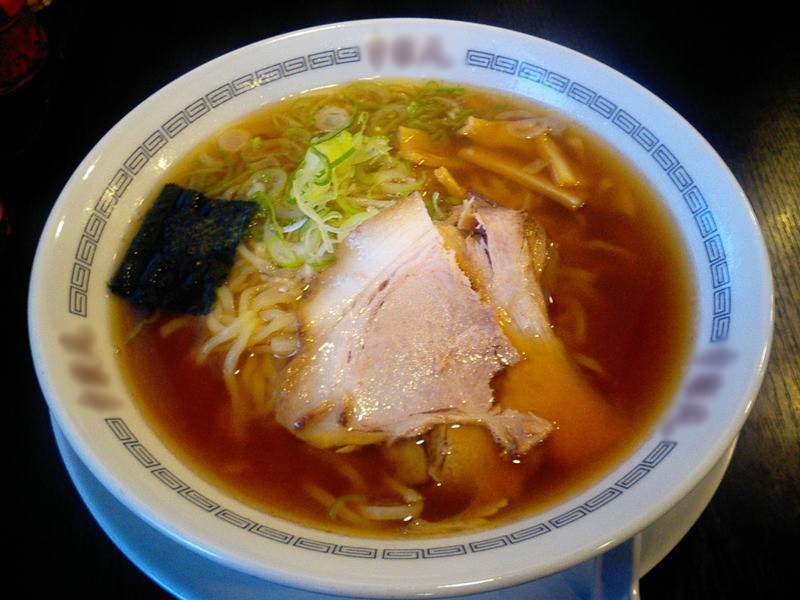
Follow ramen regionally rather than nationally — shoyu, the soy-sauce-based broth associated with Tokyo, is one of several distinct regional styles, and a bowl in one city is not a version of a bowl in another.
The answer, with local context
Japanese food is organized by region to a degree that surprises travelers who arrive expecting a single national menu. Ramen is the most legible example: a shoyu bowl, built on a soy-sauce-flavored soup, is the style most associated with Tokyo, and the country's other ramen regions run on entirely different bases — miso, salt and pork-bone broths each belong to their own cities. Choosing a city changes the dish, not just the restaurant.
The same regionalism applies across the board, and the archipelago's geography is why. Japan stretches roughly 1,900 miles, and the climate at its ends is different enough that the JMA's rainy season reaches Okinawa around 10 May and northern Tohoku around 15 June, while Hokkaido is unaffected by the baiu altogether. Growing seasons, seafood and the agricultural calendar vary accordingly, and regional cooking follows them rather than a national standard.
Kyoto is the clearest case of a city whose food is tied to its institutions. The Historic Monuments of Ancient Kyoto — 17 components, of which 16 are religious establishments — were inscribed in 1994, and the temple culture they represent is the origin of the city's vegetarian temple cuisine and its long association with tea. A city that served as Japan's imperial capital from A.D. 794 until the mid-19th century developed a court and temple food tradition that other Japanese cities simply do not have.
Picture the place
A shoyu ramen bowl arrives dark rather than cloudy, with the noodles visible through the broth and the toppings arranged rather than stirred in. The counter-service ramen shops that serve it are small, often standing room only at the busiest hours, and the queue outside is the usual way of judging one.
The easily missed detail
Regional specialization runs deeper than broth. The practical consequence for a short trip is that trying to eat the whole of Japanese cuisine in one city produces a worse result than eating one city's specialty properly and accepting that the others require another trip. Kyoto's temple vegetarian tradition, which grew out of the religious establishments that make up 16 of the 17 inscribed components, is the single strongest argument for making that choice in Kyoto rather than elsewhere.
A practical rhythm
- Tokyo — Shoyu ramen, the soy-sauce broth style the city is known for, eaten at counter shops rather than at restaurants with tables.
- Kyoto — Temple vegetarian cooking and tea, both descended from the religious establishments that dominate the city's 1994 World Heritage inscription.
- Regional detours — Different broth bases in different cities; the specialty follows the place, and so should the itinerary.
What could complicate the plan
Counter ramen shops are small and often cash-and-ticket-machine operations with limited English, and queues at the best-known ones can be long. Japan is listed among the destinations in the CDC's Global Measles travel health notice at Level 1 — Practice Usual Precautions, dated 28 May 2025, and the State Department has Japan at Level 1 — Exercise normal precautions, issued 15 May 2025. On arrival, Visit Japan Web lets travelers complete immigration inspection and the customs declaration online before reaching the airport checkpoints, with a QR code standing in for the paper forms. An International Tourist Tax of 3,000 yen is collected on departure from Japan.
What to do next
The Japan when-to-visit question gives Kyoto's blossom and rainy-season dates; the places-and-experiences question points at the regions whose cooking differs most from the corridor's.
Sources
- Wikimedia Commons file description, Soy ramen — identification of the bowl as shoyu ramen, the soy-sauce-flavored soup and its association with Tokyo, photographed in a ramen shop in Japan
- Japan Meteorological Agency, Baiu season information — regional spread of the rainy season from Okinawa to northern Tohoku and Hokkaido's exclusion
- UNESCO World Heritage Centre, Historic Monuments of Ancient Kyoto — 17 components, 16 religious establishments, 1994 inscription, A.D. 794 foundation and imperial capital period
- US Department of State, Japan travel advisory — advisory level and date
- Digital Agency, Government of Japan, Visit Japan Web — procedures covered and QR code function
- National Tax Agency of Japan — International Tourist Tax amount
- US Centers for Disease Control and Prevention, Travel Health Notices — Global Measles notice level and date