Kenya country guide Trip planning
How can I plan a memorable first trip to Kenya without rushing?
The short answer
Plan approximately ten to twelve nights around Nairobi, one Rift Valley destination, and a multi-night safari, with an optional Amboseli extension, rather than attempting to combine the Maasai Mara, every major national park, and the Indian Ocean coast in one short visit.
The answer, with local context
Kenya's main travel regions are separated by considerable distances. Nairobi is the country's principal international air gateway. The Maasai Mara lies to the southwest, the Great Rift Valley lakes occupy the central-western interior, Amboseli lies south of Nairobi near Tanzania, and the coast stretches along the Indian Ocean. These destinations require distinct road or air connections.
For U.S. passport holders traveling as tourists, Kenya uses an Electronic Travel Authorization (eTA). The government's official eTA website lists the standard single-entry authorization at US$30, excluding any separately applicable payment charges. A one-year multiple-entry eTA costs US$300, while a five-year multiple-entry option for eligible American nationals costs US$185. The five-year authorization and standard entry permission are different products, not interchangeable visa categories.
Kenya's immigration authority requires a passport valid for at least six months after the planned date of arrival, with at least one blank page. The eTA application also requests a passport-style photograph or selfie, contact details, arrival and departure itinerary, accommodation confirmation, and a payment method. Applications typically take three working days, although the authority recommends submitting them at least two weeks before travel.
A further entry-related requirement was introduced in 2026. An official eTA application notice cites Kenya Gazette Notice No. 11492, dated July 30, 2026, concerning mandatory inbound travel health insurance issued under the country's Insurance Regulatory Authority framework. The insurance process is presented through the government's official application system.
The travel advisory is a major constraint. The State Department's October 19, 2026 notice changed Kenya to Level 3: Reconsider Travel. Its Level 4 restrictions include the Nairobi neighborhoods of Eastleigh and Kibera and counties including Lamu, Garissa, Wajir, and Mandera. These areas should not be incorporated into a general first-time itinerary.
A manageable route might use two nights in Nairobi, two around a suitable Rift Valley lake, three or four in the Maasai Mara, and two or three at a second safari or highland destination. The remaining night can absorb an arrival, departure, or longer transfer. The order can be adjusted around transport connections, but limiting the number of bases makes the journey substantially less rushed.
Picture the place
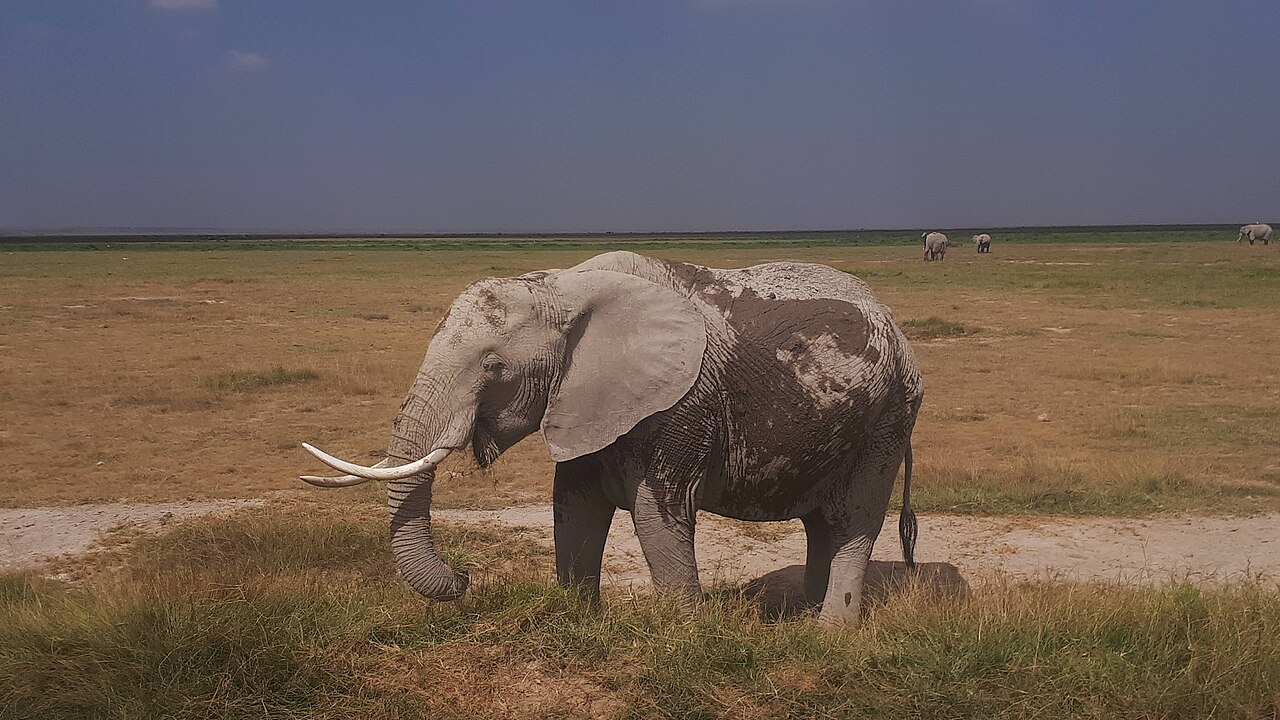
The route moves from Nairobi's highland urban landscape into the escarpments and lakes of the Great Rift Valley, followed by the grasslands of a safari reserve. Amboseli adds marshland and open plains with views toward Mount Kilimanjaro.
The easily missed detail
An approved eTA authorizes travel to Kenya; it does not determine the final permitted length of stay. Kenya's immigration authority states that admission and stay duration are determined at the point of entry. The eTA is also valid for travel within 90 days of issuance, so applying many months before departure is not automatically appropriate.
A practical rhythm
Days 1–3 — Nairobi and surroundings: Organize arrival, local sightseeing, and the first intercity transfer.
Days 4–6 — Rift Valley: Visit one accessible lake or highland region.
Days 7–12 — Safari and departure: Spend several nights in the Mara or another selected protected area, allowing time for the return journey.
What could complicate the plan
Kenya drives on the left side of the road, and the State Department identifies serious traffic safety risks on major highways. Travel through protected areas may require separate entry charges and authorized vehicles. Remote medical facilities can be limited, while mandatory insurance and immigration requirements add administrative steps before departure. The eTA and travel-insurance rules, as well as the Level 3 advisory, are time-sensitive government information.
What to do next
helps select travel months for a Mara-centered journey. identifies a second protected landscape that offers a different experience from the safari reserve.
Sources
- Government of Kenya, eTA Eligibility and Fees — standard and multiple-entry authorization categories and prices.
- Government of Kenya, eTA General Information — documents, processing recommendations, and entry authorization rules.
- Government of Kenya, Inbound Insurance Notice — July 2026 mandatory insurance notice.
- U.S. Department of State, Kenya Travel Advisory — advisory level, restricted areas, and road safety.
- Kenya Wildlife Service, Amboseli National Park — park admission and access requirements.