Kenya country guide Food and drink
What local dishes should I try in Kenya, and where should I look for them?
The short answer
Try nyama choma with ugali and kachumbari, githeri made from maize and beans, and coastal-style pilau to experience three different traditions within Kenyan cuisine.
The answer, with local context
Nyama choma means roasted or grilled meat in Swahili. The Smithsonian Institution's Center for Folklife and Cultural Heritage documents its connection with social gatherings and the customary pairing with ugali and kachumbari. Goat and beef are common choices, while other meats can also be grilled. A specialist nyama choma establishment, sometimes called a choma joint, is a useful place to explore the tradition.
Ugali is made by cooking maize flour in water until the mixture becomes sufficiently firm to be served in portions. It has a dense texture and is commonly eaten with stews or cooked vegetables. Kachumbari adds chopped tomatoes, onions, and other fresh ingredients. The combination contrasts grilled meat, plain maize, and a fresh vegetable preparation.
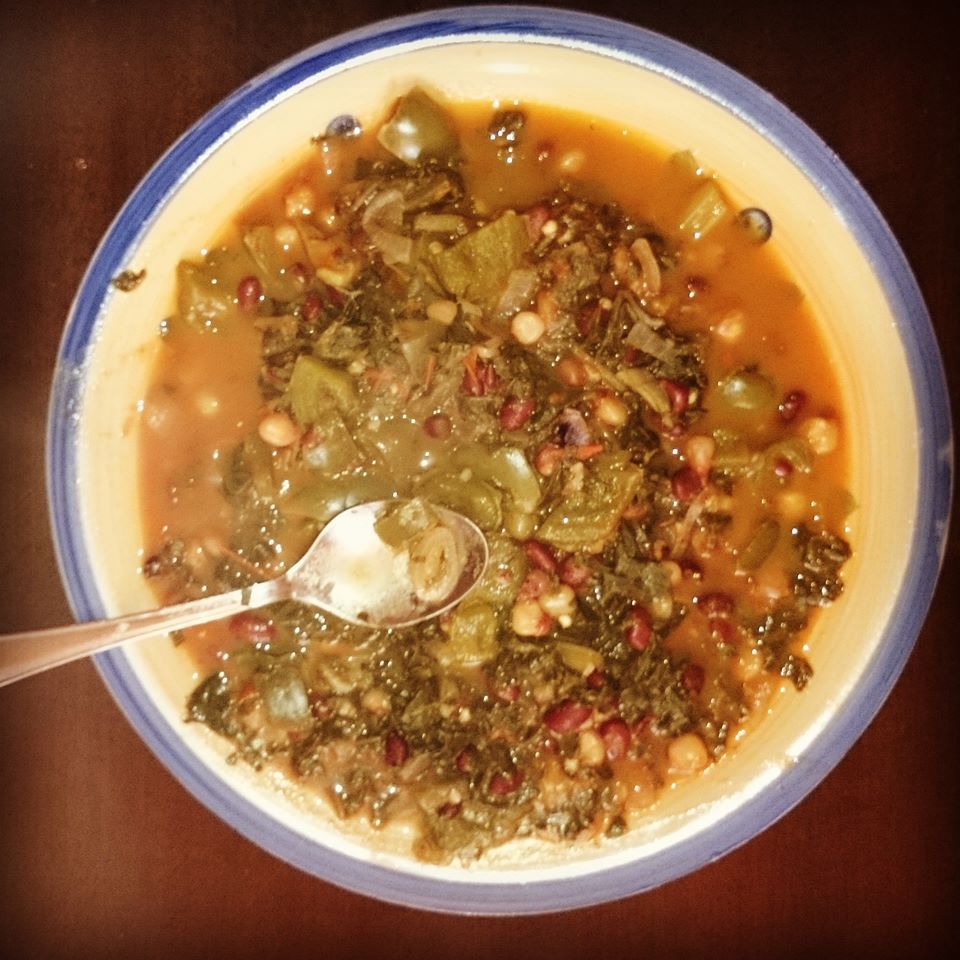
Githeri is built around boiled maize and beans, sometimes finished with vegetables or seasonings. Kibabii University identifies it as a common Kenyan food and distinguishes it from other maize-based dishes. It is particularly useful for visitors seeking a meal centered on legumes rather than meat.
Kenya's coast has strong Indian Ocean food influences. Pilau is rice cooked with spices such as cardamom, cumin, cloves, and cinnamon. It can accompany meat or vegetable preparations. Other foods associated with the coast and Swahili cooking include coconut-based fish dishes, chapati, and mahamri, a fried bread preparation often flavored with coconut or cardamom.
Regional diversity extends farther inland. Kibabii University identifies ingoho as a Luhya-style chicken preparation in western Kenya, while matoke uses cooking bananas. Sukuma wiki consists of leafy greens commonly cooked with onions and tomatoes. The same source describes maharagwe as a bean stew. These dishes are not confined to one city, although their ingredients and customary combinations vary.
Breakfast introduces another set of flavors. Kenyan chai is commonly prepared with milk and sugar, while mandazi are fried dough snacks sold in bakeries and markets. Tea and coffee production are both important to Kenya's agricultural economy, and hot beverages are part of everyday eating traditions.
Picture the place
A nyama choma meal combines browned grilled meat with firm maize ugali and chopped vegetables. Githeri visibly mixes kernels of maize and beans, while pilau has separate seasoned rice grains.
The easily missed detail
Ugali, githeri, and pilau may all appear on a Kenyan menu, but they represent different staple ingredients and cooking techniques. Ugali is a firm maize preparation, githeri combines whole maize and beans, and pilau relies on spiced rice. Ordering one of each across several meals reveals more culinary variety than choosing grilled meat every day.
A practical rhythm
Breakfast — Chai and mandazi: Visit a bakery or breakfast counter serving traditional tea and fried bread.
Lunch — Githeri or beans: Choose a local restaurant serving cooked maize, beans, and greens.
Dinner — Nyama choma or pilau: Explore a grilled-meat kitchen or a restaurant specializing in Swahili-style rice dishes.
What could complicate the plan
Pilau may contain meat stock, while mandazi and chapati typically contain wheat. Kenyan chai commonly contains milk. Fresh kachumbari is uncooked, creating different food-handling considerations from grilled meat or simmered beans. The U.S. Centers for Disease Control and Prevention recommends thoroughly cooked foods served hot and identifies untreated water and raw ingredients as possible sources of travel-related illness.
What to do next
identifies the regions and travel sequence where these meals can fit into a wider journey. covers the landscapes and cultural sites beyond the usual safari highlights.
Sources
- Smithsonian Folklife Festival, Nyama Choma with Kachumbari and Ugali — grilled-meat traditions and accompaniments.
- Kibabii University, Kenyan Meals Guide — ingredients and regional dishes, including githeri, pilau, sukuma wiki, matoke, and chai.
- U.S. Centers for Disease Control and Prevention, Food and Water Precautions — food preparation and safe consumption practices.
- Kenya National Tourism Service Portal, Cultural Heritage Tourism — national cultural diversity and culinary context.