Kenya country guide When to visit
When is the best time to visit Kenya for Maasai Mara?
The short answer
July through October is a strong period for a Kenya safari centered on the Maasai Mara, combining comparatively dry conditions in the southern savanna with the broad season when migrating wildebeest may enter the reserve from Tanzania.
The answer, with local context
Kenya has several climate zones, making a nationwide seasonal recommendation different from one for the Maasai Mara alone. The central highlands are moderated by elevation, the Indian Ocean influences the coast, and the northern lowlands are considerably drier. The Kenya Meteorological Department identifies March–May as the principal long-rains season and October–December as the short-rains period across much of the country. The timing and intensity vary by region.
During the Mara's drier months, grassland visibility generally improves and the wider Serengeti–Mara migration can produce exceptional concentrations of wildebeest and zebra. The Mara Conservancy identifies June or July through November as the broad period when migrating wildebeest may occur in the reserve. River crossings, however, are not scheduled events. Herds move in response to conditions across the ecosystem.
The Maasai Mara also has resident wildlife throughout the year. The western Mara Triangle covers 510 square kilometers (197 square miles), bounded by the Mara River, Oloololo Escarpment, and the Tanzanian border. Lions, elephants, leopards, cheetahs, buffalo, giraffes, zebras, and other animals inhabit the wider reserve.
Kenya's coastal and mountain seasons do not always align with a Mara itinerary. Kenya's meteorological service identifies April as a principal rainfall peak for many inland regions, while coastal rainfall often peaks later, around May. Mount Kenya's high-altitude environments have their own cold-weather considerations. A July safari can therefore work well in the Mara without being the ideal time for every possible Kenyan activity.
Picture the place
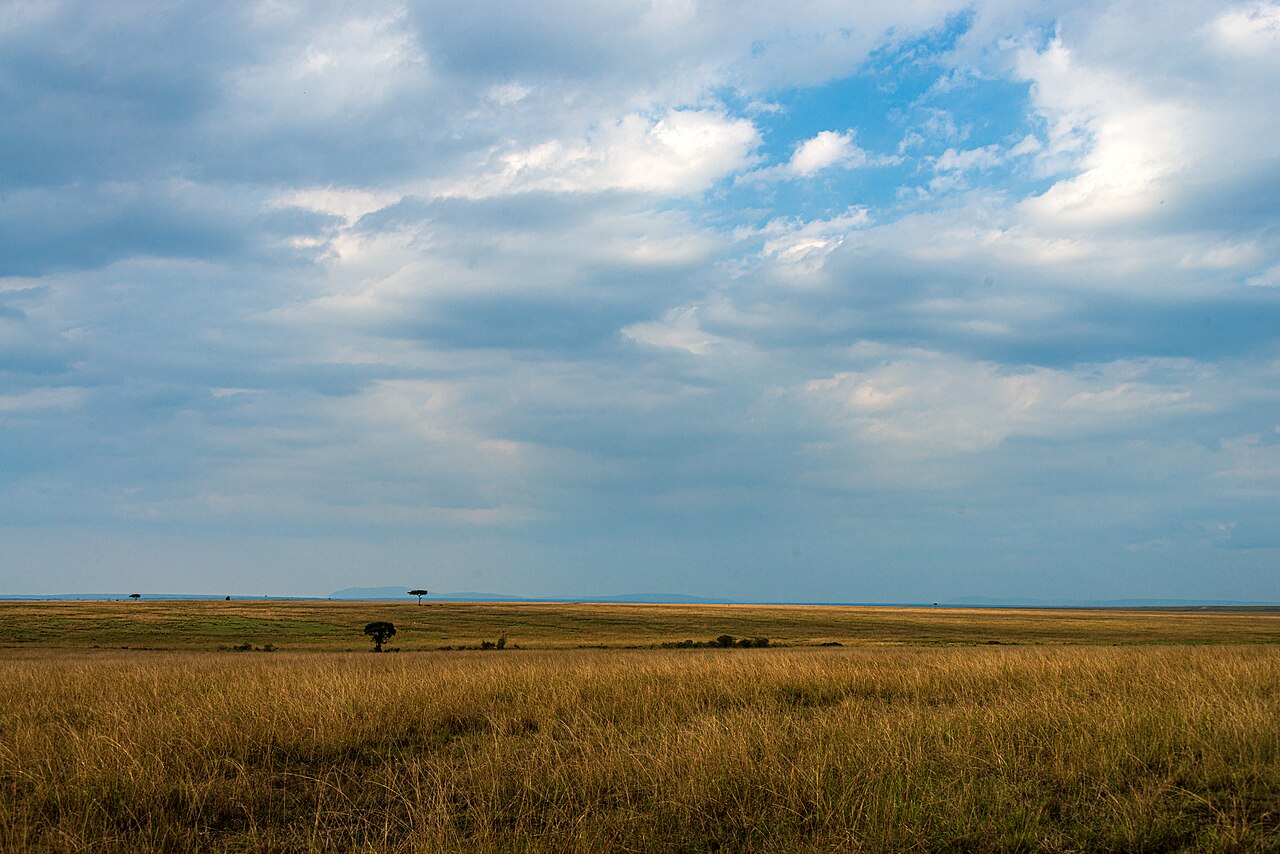
The Mara's grasslands extend toward the Oloololo Escarpment, with river corridors cutting across the plains. Seasonal herds may be dispersed over open grazing areas or concentrated near waterways.
The easily missed detail
Mara Triangle admission is governed by its own conservancy rules rather than Kenya Wildlife Service's national-park tariffs. Its daytime entry ticket applies from 6 a.m. to 6 p.m., irrespective of when a visitor arrives. Gates open at 6 a.m., close at 7 p.m., and prohibit new entry after 6:30 p.m. These rules matter when choosing accommodation inside or outside the reserve.
A practical rhythm
First stage — Nairobi: Arrive in the capital and organize a direct safari transfer.
Second stage — Maasai Mara: Spend several nights on guided wildlife drives rather than relying on a single day.
Third stage — Rift Valley: Add an accessible lake or highland destination to experience another Kenyan landscape.
What could complicate the plan
The U.S. Department of State's October 19, 2026 advisory places Kenya at Level 3: Reconsider Travel, including concerns about health, crime, terrorism, kidnapping, and traffic safety. It also establishes specific Level 4 restrictions for some counties and Nairobi neighborhoods. Safari road journeys can involve long travel days, while heavy rainfall may affect tracks and river crossings.
What to do next
identifies worthwhile Kenyan destinations beyond the Mara. explains the entry documents and regional transport choices needed for a first trip.
Sources
- Kenya Meteorological Department, State of the Climate in Kenya 2025 — seasonal rainfall and regional climate differences.
- Mara Conservancy, Experience Mara Triangle — reserve geography, wildlife, and gates.
- Mara Conservancy, Conservation Fees — daytime ticket validity and payment restrictions.
- U.S. Department of State, Kenya Travel Advisory — October 2026 advisory and restricted regions.