Luxembourg country guide When to visit
When is the best time to visit Luxembourg for Luxembourg City?
The short answer
Late spring through early autumn — the UNESCO-listed fortress circuit is almost entirely open-air, the Bock Casemates thin out to a handful of guided slots by November, and the Moselle vineyards that define the country's south-east sit between 150 and 250 meters above sea level along a 42 km wine route.
The answer, with local context
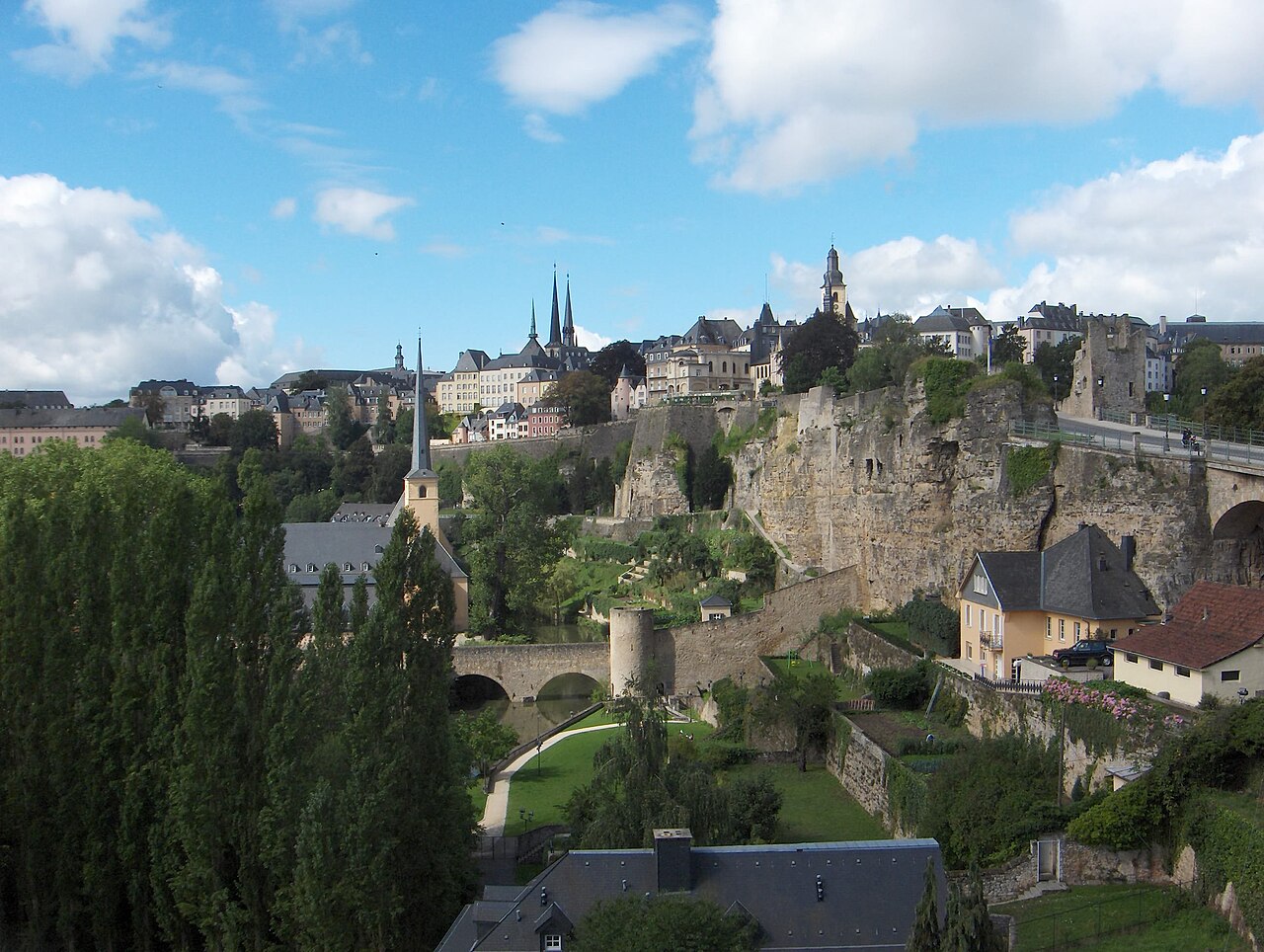
Luxembourg City's single most important visitor asset is the UNESCO World Heritage property inscribed in 1994 under Committee decision 18 COM XI and criterion (iv): "City of Luxembourg: its Old Quarters and Fortifications." UNESCO describes a steep rocky outcrop at the confluence of the Alzette and Pétrusse rivers, naturally defensible on every side but the west, where a small castle was built shortly after the middle of the 10th century. A stone wall enclosed the settlement in the 12th century and was extended in the 14th and 15th. Almost all of that is outdoor, vertical and weather-exposed, which is the practical argument for the warmer half of the year.
The second argument is the calendar of the fortifications themselves. The Luxembourg City Tourist Office publishes guided tours of the Bock Casemates — part of an underground system stretching over 23 km built into the rock — and in November those tours drop to a weekend pattern of 11:30 to 12:30 and 14:30 to 15:30 on Saturdays and Sundays, with a single Friday afternoon slot. That is a timetable, not a guarantee that a tour will run on a particular day, and it is a long way from a summer operating pattern.
The third is the Moselle. The Luxembourg government's AOP register records 1,124 hectares of white cultivars and 122 hectares of red across the Moselle Luxembourgeoise appellation, 340 wineries, and production of 125,000 hectolitres, of which 25 percent is Crémant de Luxembourg. The wine route runs 42 km between Schengen and Wasserbillig. Vineyards at 150 to 250 meters are walkable terrain in May or September and much less so in a wet January.
Picture the place
The old city sits on rock above two river valleys, and the lower town lies far enough below the plateau that it loses the sun well before the upper streets do. UNESCO notes that the street layout of the Upper Town was shaped by defensive requirements, which is why the lanes above the cliff run the way they do rather than following the contours.
The easily missed detail
The fortress you can see is a fraction of what stood. UNESCO records that after the Treaty of London in 1867 most of the fortifications were demolished, leaving gates, forts, bastions, redoubts and casemates. Before that, the Austrians had reinforced the works so heavily in the 18th century that the city earned the nickname "Gibraltar of the North," and Vauban had extended them under Louis XIV. What survives is a deliberately kept remnant — which is exactly why the 23 km of casemate tunnels matter so much to the visit.
A practical rhythm
- Pentecost — The Hopping Procession of Echternach takes place annually on the Tuesday of Pentecost, so the date moves each year. UNESCO inscribed it on the Representative List in 2010.
- Summer — The fortress circuit, the casemates and the plateau walks are all at their most usable, and the Moselle slopes are in full leaf.
- Harvest and after — September and October are vineyard months along the 42 km route; by November the casemate tours have shrunk to a Friday afternoon and 2 slots each on Saturday and Sunday.
What could complicate the plan
The State Department's Luxembourg advisory, issued 8 April 2026, sits at Level 1 overall, but a separate Level 2 caution covers northern and eastern Luxembourg where ordnance left over from the two World Wars has still not been cleared — a genuine constraint on off-trail walking in the Ardennes and along the eastern border. For entry, the same advisory requires no visa for stays of 90 days or less, a passport valid at least 3 months beyond your departure from the Schengen area with 2 blank pages, and allows up to 10,000 euros in cash. It also notes that most US citizens on short stays should expect fingerprints and a facial image to be taken at entry and exit, a requirement dated 12 October 2025.
What to do next
The Luxembourg trip-planning answer covers how to combine the capital with the Moselle and the Ardennes, and the food-and-drink answer goes into the appellation detail behind the crémant figures mentioned here.
Sources
- UNESCO World Heritage Centre — 1994 inscription, decision 18 COM XI, criterion (iv), fortification history and 1867 demolition
- Luxembourg City Tourist Office — November guided-tour schedule, 23 km underground system
- AOP Luxembourg, Vins et Crémants (Government of Luxembourg) — vineyard hectares, winery count, production volume, crémant share, 42 km wine route, vineyard altitude
- US Department of State, Luxembourg travel advisory — Level 1 and the Level 2 unexploded-ordnance caution, entry requirements, biometric collection date