Maasai Mara / Kenya Things to do
What are the most worthwhile things to do in Maasai Mara on a first visit?
The short answer
Take guided game drives through the reserve’s grasslands, look for lions and cheetahs in suitable wildlife-viewing zones, and explore the Mara River landscape, following the reserve’s rules on vehicle access and animal distances.
The answer, with local context
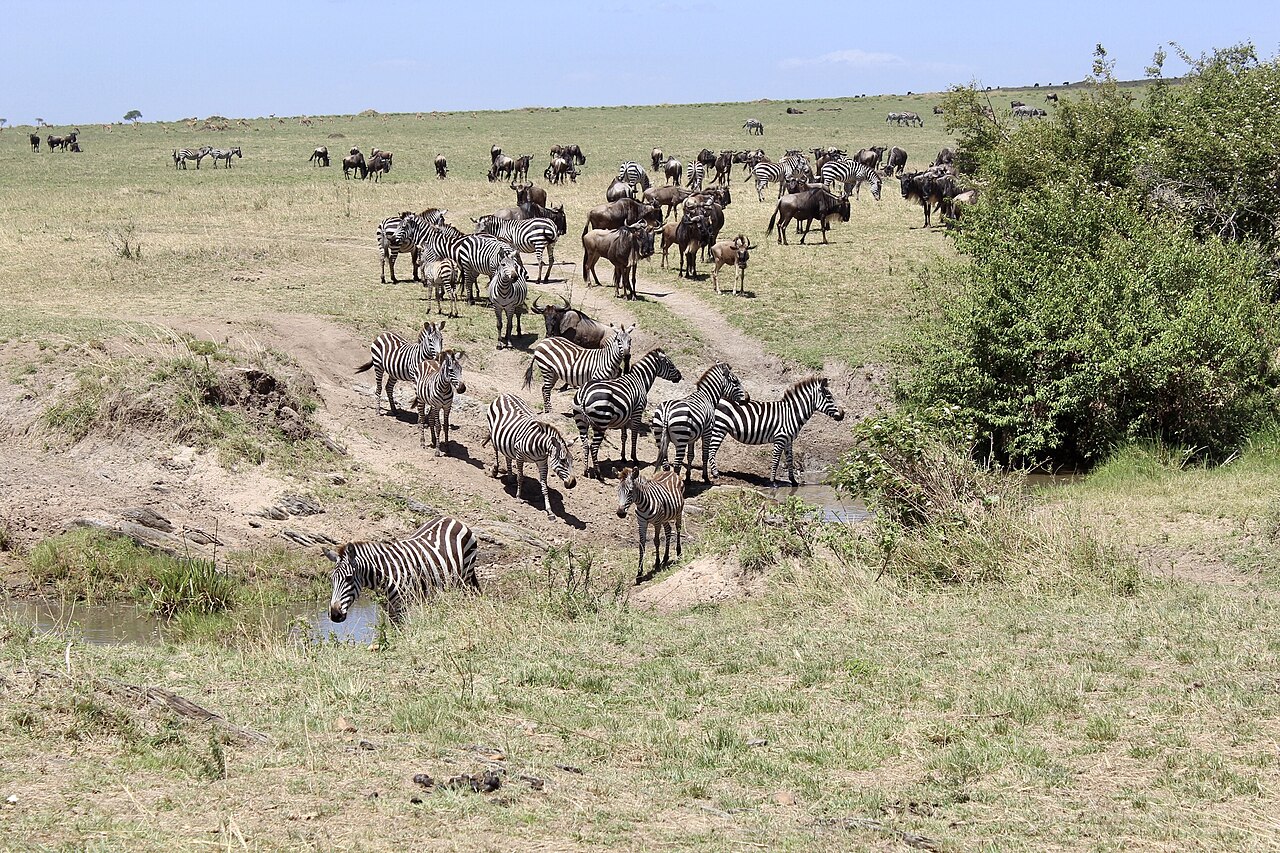
The Maasai Mara is not simply a place to see wildebeest. Its wildlife includes African lions, leopards, cheetahs, elephants, black rhinoceroses, buffalo, giraffes, zebras and numerous antelope species. The Mara Conservancy also documents rock hyraxes, reptiles and a substantial bird population in the Mara Triangle. These species occupy different habitats, so a drive that includes grassland, wooded areas and river corridors provides greater variety than remaining at one crowded sighting.
The reserve is managed through defined visitor-use zones. According to its 2020–2029 management plan, vehicles must remain on authorized roads and tracks in the High Use Zone and the Mara River Zone. Certain controlled off-road approaches to big cats are permitted only in designated Low Use Zones and are subject to wildlife-distance and vehicle-concentration restrictions. The rules are not an unrestricted license to follow predators across open grassland.
Driving speed is also regulated. The Mara Conservancy lists a maximum of 50 km/h (31 mph) on graded roads and 30 km/h (19 mph) on other tracks. Animals crossing a road have priority. The management plan instructs drivers to remain approximately 25 meters (82 feet) from wildlife whenever possible, with stricter conduct required around sensitive sightings.
Predator-viewing etiquette has a numerical basis. The reserve management plan allows a maximum of five vehicles close to lions, leopards, cheetahs and rhinoceroses, with other vehicles waiting 100 meters (328 feet) away. The general reserve plan specifies a 15-minute viewing limit when others are waiting; the Mara Triangle’s separately published visitor rules specify 10 minutes when more than five vehicles are waiting. The distinction matters because the visitor’s exact area determines which rule applies.
The Mara River is another compelling part of the landscape, but its crossing points are wildlife habitats rather than viewing platforms that visitors may freely occupy. Mara Conservancy prohibits leaving the vehicle during migration-viewing activity except at designated locations. It also bans standing on the roof or sitting on the vehicle window while watching river crossings.
Picture the place
The plains alternate between tall grass, shorter grazing areas, scattered trees and riverbank vegetation. At the Mara River, steep banks and moving water create a striking contrast with the open savanna.
The easily missed detail
The Mara’s best wildlife experience often depends on the guide’s restraint. A vehicle that remains on an authorized track and observes the five-vehicle rule may offer a more natural animal encounter than one attempting to get closer. The management plan specifically warns against following, chasing or harassing wildlife, including at river crossings.
A practical rhythm
First drive — Grassland: Look for grazers, lions and cheetahs in open country with an authorized guide.
Second drive — River corridor: Explore an accessible section of the Mara River without obstructing animal movement.
Another morning — Different habitat: Change route toward wooded or escarpment-edge terrain to broaden the range of species observed.
What could complicate the plan
Night drives, unguided walks and horseback activities are not generally permitted inside the national reserve under its standard management rules. Some activities offered by nearby private conservancies operate under different regulations. Visitors should not assume that a permission granted by one conservancy also applies within the national reserve. Closed tracks may be marked by rocks or logs, and entering them can damage recovering vegetation.
What to do next
explains the broad seasonal pattern and park access. examines the special planning considerations for migratory wildebeest.
Sources
- Maasai Mara National Reserve, Management Plan 2020–2029 — wildlife-viewing zones, vehicle limits and visitor rules.
- Mara Conservancy, Driving to the Mara Triangle — road speeds, off-road rules and protected boundaries.
- Mara Conservancy, Park Rules — sighting limits, penalties and vehicle-distance requirements.
- Kenya National Tourism Service Portal, Cultural and Heritage Tourism — the wider importance of Maasai heritage within Kenya’s tourism landscape.