Machu Picchu / Peru When to visit
When should I visit Machu Picchu, Peru, for the best experience?
The short answer
Late May — the rains have ended and the stonework is washed clean, the hillsides are still green from the wet season, and you arrive before June 19, when the Ministry of Culture raises the daily cap from 4,500 visitors to 5,600 for the high-season window.
The answer, with local context
Machu Picchu's year divides at the rains. The wet season runs from about November to April, with the heaviest rain from January to March in SENAMHI's records for the Cusco region; the dry season runs May to October, when the ridge sits above the Urubamba canyon in clear Andean air. But the month-by-month experience is governed by the site's own rulebook as much as by the sky. The Ministry of Culture admits visitors in hourly entry slots from 6:00 a.m. to 3:00 p.m., with a 30-minute grace period and no re-entry, and a UNESCO-cited carrying-capacity study — the 2015 study of the Historic Sanctuary — underlies the current limits: 4,500 visitors a day in the regular season, rising to 5,600 on designated high-season dates, which in 2026 run from June 19 to November 2, plus New Year and Easter windows.
Late May threads the needle those rules create. The trails and terraces have dried, the cloud forest below the ridge is at its lushest after five months of rain, and the site still operates on the lower 4,500 cap — a fifth fewer people than the same stones will hold three weeks later. The Inca Trail, which SERNANP and the Ministry close for the whole of February for maintenance and ecological recovery, is back in full operation, and its permits — capped at 500 people a day, crew included — are most obtainable for May departures booked early. The one calendar jewel May cannot offer is the solstice: on June 21 the sunrise strikes through the Temple of the Sun's trapezoidal window onto its granite altar, the citadel's most precise astronomical alignment, which is the single argument for braving the June crowds.
Within the day, timing is the other half of the answer. The ridge collects cloud at dawn in the shoulder months, and the early slots can open in white mist that burns off by mid-morning — atmospheric in photographs, frustrating as a sole visit. The 10:00 and 11:00 a.m. entries are the locals' compromise: light on the stone, the postcard view from the Guardian's House terrace usually clear, and the visit still ends before the afternoon cloud builds over the canyon.
Picture the place
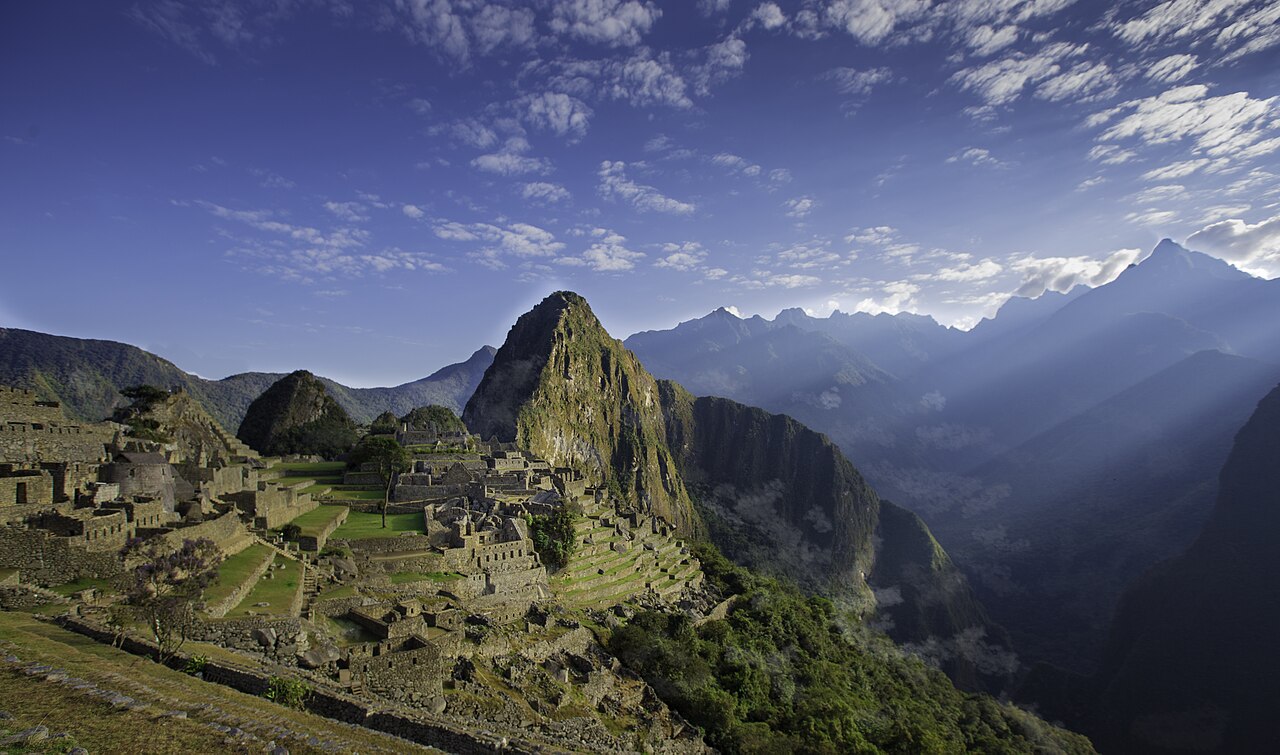
At first entry in late May the terraces are dark with dew and the Urubamba is audible a vertical half-mile below, hidden under cloud that fills the canyon like a river of its own — and as the sun clears Huayna Picchu's shoulder the mist lifts off the citadel in layers, the Temple of the Sun emerging first, then the plazas, then the full green bowl of the sanctuary.
The easily missed detail
The February closure cuts the other way from what travelers expect: the Inca Trail closes, but the citadel does not — Machu Picchu is open every day of the year, reached by train in February through some of the emptiest weeks on its calendar. A February visit trades weather risk for the rarest commodity at this site, quiet, and the stonework in the rain has its own black, shining beauty.
A practical rhythm
- Morning — Take a 10:00 or 11:00 a.m. slot in the shoulder months, when the dawn cloud has lifted; reserve the 6:00 a.m. entries for the settled dry weeks of July and August.
- Midday — The middle slots carry the day-trippers from Cusco, whose trains arrive in a bunch — the circuit's quietest walking is early and late, so eat in the gap, not through it.
- Evening — The last entries end as the light rakes across the terraces from the west: the photographic hour at the site is the final one, with Huayna Picchu's shadow climbing the ridge behind you.
What could complicate the plan
May's popularity is its own warning: Inca Trail permits for May departures have sold out months in advance — in recent seasons by January or February — and the Ministry reported more than 150,000 tickets sold in a single week when annual sales opened. The solstice cuts the other way: if June 21 matters to you, accept the 5,600-cap days and book the moment sales open. And the shoulder is still a shoulder — a late rain front in May can close the view for a day, which is why the planning answer in this group argues for a spare morning in Aguas Calientes.
What to do next
Fix late May, choose the 10:00 a.m. slot on a Circuit 2 ticket, and if the trail is the dream, treat the permit — not the flight — as the booking that starts the trip.
Sources
- Ministerio de Cultura (Peru) — the visit rules: hourly entry slots from 6:00 a.m. to 3:00 p.m. with a 30-minute grace period; daily capacity of 4,500 visitors rising to 5,600 on designated high-season dates (June 19 to November 2 in 2026); no re-entry
- SERNANP / Ministerio de Cultura — the Inca Trail's complete closure every February for maintenance and ecological recovery, and the trail's 500-person daily cap including crew
- SENAMHI — the Cusco region's rainfall regime: wet season November to April, heaviest from January to March, dry season May to October
- UNESCO / the 2015 carrying-capacity study of the Historic Sanctuary of Machu Picchu — the analysis underpinning the present visitor limits, with UNESCO reporting in 2024 that the citadel's carrying capacity had been reached