Maldives country guide Food and drink
What local dishes should I try in Maldives, and where should I look for them?
The short answer
Mas huni for breakfast, garudhiya for lunch and hedhikaa at four o'clock — the tuna-and-coconut canon of Maldivian cooking, found not in the resorts but in the hotaa tea shops of Malé and the inhabited islands.
The answer, with local context
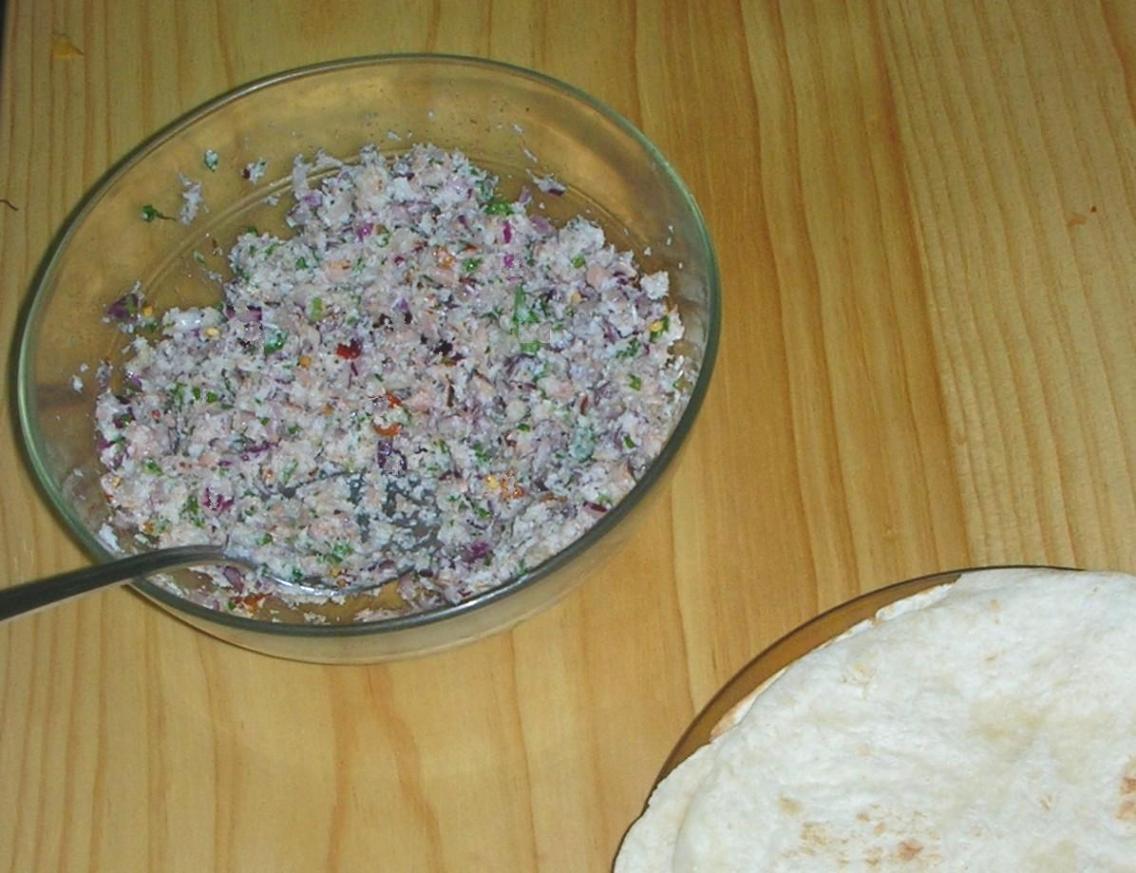
Maldivian cuisine is built from three things — tuna, coconut and a starch — sharpened with chili, lime and onion, and the day's first meal states the whole thesis. Mas huni is shredded smoked tuna worked with grated coconut, onion, chili and lime, scooped up with warm roshi flatbread and washed down with sweet black tea; it is the standard breakfast on every inhabited island and the dish Maldivians abroad say they miss most. The tuna is skipjack from the country's pole-and-line fleet, and the coconut is grated fresh — the dish has exactly four flavors and no hiding places, which is why it works.
The everyday main is garudhiya, a clear broth of fresh tuna boiled in salted water, served with plain rice and lime, chili and raw onion added at the table — the centuries-old meal of fishing families, still the default lunch in island homes and guesthouses. Its by-product is the connoisseur's prize: rihaakuru, made by simmering the garudhiya broth for hours until it reduces to a thick, dark, intensely savory paste, kept in every Maldivian kitchen and eaten with rice, roshi, taro or breadfruit. The curry branch of the family is mas riha, tuna simmered in coconut milk with curry leaves and chili. When fresh tuna is grilled instead — fihunu mas, chili-rubbed and charred — it comes from the same afternoon's catch you can watch being unloaded at Malé's fish market.
The institution that ties it together is hedhikaa, the "short eats" of the late-afternoon tea break: around four or five o'clock, the hotaa — the small tea shops and cafés found across Malé and every inhabited island — put out trays of bajiya, crisp fish-filled pastries; gulha, spiced tuna balls in fried dough; masroshi, fish-stuffed flatbreads; and kulhi boakibaa, a savory cake of tuna and rice. A plate of mixed short eats and a glass of sweet tea is the cheapest, most social meal in the country and the one visitors are most warmly pulled into. The geography of eating is therefore simple: resorts serve international buffets priced in dollars with 17% tourism GST and a 10% service charge added, while the Dhivehi kitchen lives in Malé's back-street cafés and the guesthouse dining rooms of the local islands — which is one more reason the 2009 guesthouse opening changed what a visitor can taste.
Picture the place
At four in a Malé hotaa the ceiling fans turn over a room full of off-duty fishermen, office workers and grandmothers, the tea arrives sweet and black in small glasses, and the counter's tray of gulha and bajiya — fried an hour ago, still warm — empties at the speed of conversation.
The easily missed detail
Nearly everything on a Maldivian plate except the tuna, the coconut and the chili is imported — the country grows almost none of its rice, flour, vegetables or fruit — which explains both the cuisine's elegant narrowness and its prices. Mas huni's perfection is an adaptation: three local ingredients, endlessly refined, in a country where every other ingredient arrives by boat or plane and costs accordingly.
A practical rhythm
- Morning — Breakfast where the island wakes: mas huni with roshi at your guesthouse or a Malé café, ordered as the locals take it, with sweet black tea.
- Midday — Midday is garudhiya: the tuna broth with rice at a hotaa or guesthouse kitchen, with a spoon of rihaakuru on the side for the full register of the fish.
- Evening — The day's social meal is at four, not eight: hedhikaa in a tea shop, a mixed plate of bajiya, gulha and masroshi — then, at dinner, grilled tuna or mas riha wherever the catch is freshest.
What could complicate the plan
The country's rules shape the table absolutely: the Maldives is a Muslim nation, pork is not served anywhere, and alcohol exists only on resort islands and licensed safari boats — it cannot be brought into the country, and Maldives Customs will confiscate it on arrival. On local islands, Ramadan closes the cafés and hotaa in daylight hours for a month each year, while resort restaurants operate as usual behind their island's privacy. And fish is in nearly everything, including dishes that look vegetarian — mas huni's tuna is shredded fine — so strict vegetarians should agree meals with a guesthouse kitchen in advance rather than improvise at the counter.
What to do next
Spend one full food day off the resort model: mas huni in Malé, garudhiya on a local island, hedhikaa at a hotaa at four — and ask any guesthouse cook to show you how rihaakuru is made.
Sources
- Maldives Customs Service — the prohibition on importing alcohol and pork into the Maldives, enforced on arrival
- Maldives Inland Revenue Authority (MIRA) — the 17% Tourism GST and 10% service charge applied to resort restaurant bills, against rufiyaa pricing in local cafés
- The hotaa tea shops of Malé and the inhabited islands, and guesthouse kitchens on Maafushi, Thulusdhoo and Dhigurah — mas huni, garudhiya, rihaakuru and the hedhikaa tea-time trays in their home setting