Montenegro country guide Food and drink
What local dishes should I try in Montenegro, and where should I look for them?
The short answer
A mountain table and a sea table: Njeguši pršut and cheese from the village under Lovćen, kačamak and sač-cooked lamb in the north, buzara shellfish and black risotto on the bay, Skadar carp and Crmnica Vranac inland — eaten in konobas, village households and the Plantaže vineyards, not in hotel buffets.
The answer, with local context
Montenegro's food map follows its 3 terrains. The mountain canon centres on Njeguši, the village in the Lovćen foothills whose microclimate — mountain air meeting sea wind — cures the country's signature pršut (dry-cured ham) and Njeguški sir, a full-fat cheese aged in brine and oil; both are protected products of the Cetinje region and both appear on every serious Montenegrin table. Around them the highland kitchen builds its monuments: kačamak, cornmeal and potato worked with cheese and kajmak (the clotted cream of the mountains) into a dish eaten by the spoonful from a shared bowl; cicvara, its flour-and-kajmak cousin; japraci, vine leaves stuffed with minced meat; and meats cooked ispod sača, under an iron bell buried in embers — lamb in the north, veal in the center — ordered in the konobas (taverns) of Kolašin, Žabljak and the Cetinje road, where priganice (fried dough) arrive with honey and cheese at breakfast.
The coast cooks Adriatic. In the Bay of Kotor and along the Budva riviera the fish restaurants serve buzara — shellfish, prawns or mussels in a wine, garlic and breadcrumb sauce, red or white — black risotto from cuttlefish ink, grilled Adriatic fish sold by weight, and the bay's own sweets: Perast's almond torta and Kotor's krempita. The third terrain is the lake and the south: Lake Skadar's villages (Virpazar above all) fry and smoke the lake's catch — carp, eel and the little bleak called ukljeva — while Bar and Ulcinj, in the olive country (the Stara Maslina at Bar is claimed at 2,000+ years old and the groves are working farms), cook with their own oil and add the Albanian-inflected dishes of the border. Crmnica, the wine district on Skadar's northern shore, is the historic home of Vranac, the dark indigenous grape that makes Montenegro's flagship red.
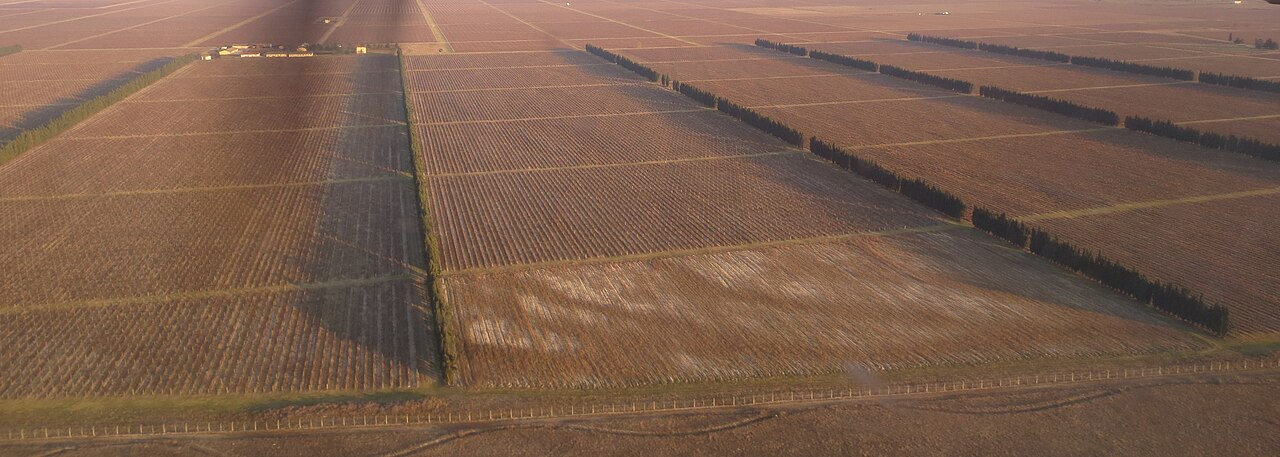
The wine story has an industrial monument: Plantaže, the state-founded wine company outside Podgorica, farms the Ćemovo field — about 2,310 hectares of vineyard in a single piece, among the largest contiguous vineyards in Europe — growing Vranac and the white Krstać, another indigenous variety, and running tastings in its Šipčanik cellar, a converted military aircraft tunnel. To drink like the country: Vranac with the mountain meats, Krstać and the coastal whites with fish, lozovača (grape rakija) as the household welcome, and Nikšićko beer — brewed at Trebjesa in Nikšić since 1896 — everywhere else. The venues, in order of trust: family konobas and rural households (Montenegro's village-tourism farms in the north serve the full mountain canon), town markets for the cheese and pršut to take home (Podgorica's and Kotor's green markets), winery cellars in Crmnica and Ćemovo, and the fish restaurants of the bay — in that order, and away from the cruise-lunch menus.
Picture the place
A Njeguši smokehouse at curing season: hams darkening in beech smoke above the village, the karst field below running down toward the bay, and the first slices cut with the cheese and a glass of last year's Vranac.
The easily missed detail
Kačamak and cicvara are breakfast-and-lunch foods of working mountain households, and they disappear from evening menus even in the towns that made them — travelers who plan to "try it at dinner" in Žabljak or Kolašin will find the sač lamb instead (no hardship, but a different dish). The second missed label is geographic: pršut and cheese sold as Njeguši should come from the Njeguši villages under Lovćen — the protected name refers to that curing microclimate, and the market stalls in Podgorica and Cetinje are where the genuine producers sell beside imitators worth asking about.
A practical rhythm
- Mountain lunch, coastal dinner — The day's structure across a whole trip: kačamak and sač at midday in the north, buzara at night on the bay
- Market mornings in Cetinje and Podgorica — Pršut, sir and kajmak bought from producers, tasted before buying
- One cellar afternoon — Šipčanik with Plantaže or a family winery in Crmnica, booked ahead
What could complicate the plan
Seasonality rules the canon: Skadar's fish follows the lake's fishing seasons and closed periods set by the park authority; pršut is cured through the cold months and best in the houses that cure their own; rural households and village konobas in the north often cook to order or for booked groups, so the mountain lunch is arranged the day before, not improvised at 1 p.m. Coastal fish pricing is by weight and should be agreed before the grill — the bay's restaurant rows are honest in the majority and expensive in the famous spots. And rakija hospitality is a social obligation engine: the offered glass is a welcome, and refusing the first pour in a village household lands worse than sipping it slowly.
What to do next
Put 3 meals on the itinerary by name — a Njeguši tasting under Lovćen, a sač lunch in the north, a buzara dinner on the bay — and a cellar booking at Šipčanik or in Crmnica.
Sources
- Plantaže (13. Jul — the Ćemovo field, about 2,310 hectares in one vineyard; Vranac and Krstać; the Šipčanik cellar tastings
- Ministry of Agriculture / protected-product registers — Njeguški pršut and Njeguški sir as protected origin products of the Cetinje region
- National Tourism Organisation of Montenegro (montenegro.travel) — regional food traditions: kačamak, cicvara, japraci, sač cooking, Skadar fish, Perast torta
- Trebjesa Brewery, Nikšić — Nikšićko beer, brewed since 1896