Nauru country guide Food and drink
What local dishes should I try in Nauru, and where should I look for them?
The short answer
Reef fish and tuna straight off the boats, coconut in its fresh and cooked registers, pandanus, Buada's milkfish when the ponds provide — and the island's Chinese restaurants and the Menen Hotel's dining room, which together are Nauru's restaurant scene entire.
The answer, with local context
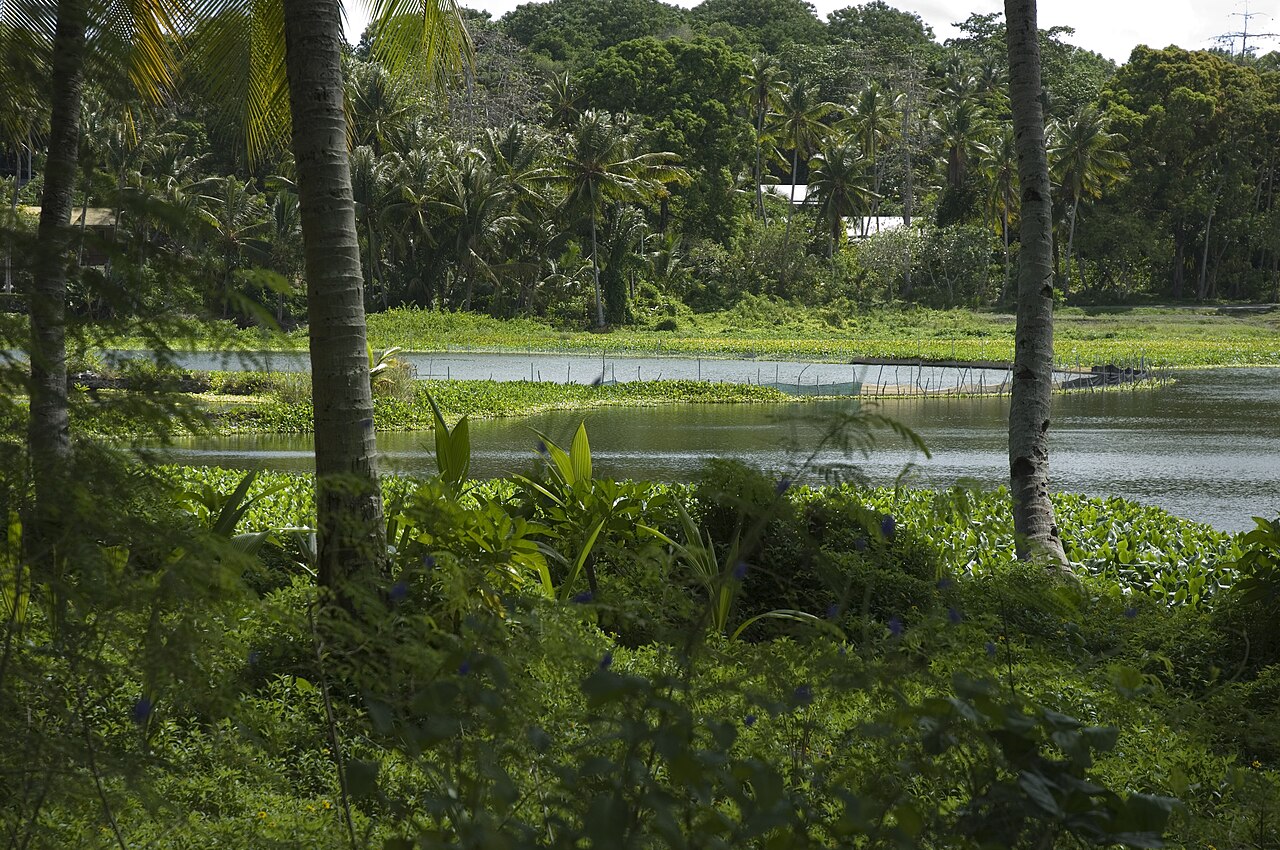
Nauru's traditional pantry was reef, palm and pond, and its modern pantry is a cargo manifest — a guide serves the reader by explaining both. The pre-phosphate table ran on the island's tight ecology: reef fish and shellfish at low tide, tuna and wahoo beyond the drop-off, coconut for milk, oil and flesh, pandanus fruit chewed fresh, bananas and breadfruit in the coastal gardens, and the prestige protein of the pond system — milkfish (ibija) raised from reef-caught fry in Buada Lagoon and household ponds, a farmed fish culture unique in its Nauruan form and now the subject of revival projects precisely because it represents local food that does not arrive by ship. That table was dismantled by the island's own history: Topside's mining took the garden land, phosphate wealth imported the Australian diet (white rice, flour, tinned meat, sugar) wholesale, and the trust-fund collapse left the imports without the income — a sequence visible in Nauru's world-ranking diabetes and obesity statistics, which are part of the food story and should be read with respect rather than appetite. Today's revival register — pond milkfish, local fish marketing, garden plots on rehabilitated land — is where a visitor's food spending does the most good.
Where the traveler actually eats is a short circuit, and it is genuinely enjoyable. The Menen Hotel's restaurant, on the east coast, is the island's sit-down dining room (grilled fish, steaks, a Chinese-Pacific menu, the bar where the island's officials and project staff gather). Nauru's handful of Chinese restaurants — in Aiwo and around the districts, legacies of the phosphate era's labour diaspora — serve the working island's lunches and dinners: fried rice, noodle dishes, sweet-and-sour and fresh fish cooked to order, at canteen prices. Capelle & Partner at Ewa, the island's great general store, anchors provisioning (and its snack counters feed the north), while the Aiwo market stalls and roadside sellers handle the day's catch, coconuts and cooked snacks. Fish is the through-line: if a boat has come in, grilled reef fish or tuna with rice and coconut is the plate to order wherever you are, and game-fishing charters out of Anibare will often see your own wahoo or yellowfin cooked at the hotel the same evening. Desserts and drinks run on coconut and imported sweetness; alcohol is served at the Menen and a few outlets (the island's licensing is limited and hours are short).
Water is the standing instruction: Nauru drinks from desalination and rain tanks — hotels serve treated water; elsewhere, bottled water is the rule, and ice follows the same source as the water it is made from (ask at small eateries). There is no wine culture, no café strip and no late night — dinner is early, and Sunday is quiet everywhere.
Picture the place
A Chinese restaurant in Aiwo at lunch: ceiling fans, Formica tables, a whole fried fish arriving on a platter with rice and chillies, and half the district's workforce eating in companionable silence.
The easily missed detail
The milkfish is a calendar dish: Buada's ponds produce on their own schedule, and ibija reaches tables through community channels and revival-project sales rather than restaurant menus — the visitor who wants to taste Nauru's most distinctive food asks the hotel and the tourism office on arrival and accepts whatever day the ponds declare. The second detail is the catch's geography: fish bought at the Aiwo side comes over the reef from the west-coast boats, while Anibare's boats work the east — eating fish on the coast that caught it is the island's small luxury, and the Menen's east-coast table is where the 2 meet.
A practical rhythm
- Menen for the set-piece dinner — The island's dining room taken once, properly, fish-first
- Chinese restaurants for the working lunch — Aiwo at noon with the island, noodles and the day's fish
- Catch of the day, wherever — The charter's wahoo or the market's reef fish, cooked the same day
What could complicate the plan
Supply rules the table: nearly everything beyond fish, coconut and pandanus arrives by ship and air freight from Australia and Fiji, so menus contract and prices jump between deliveries, fresh vegetables are a sometime thing, and a dish listed is a dish hoped for. Dietary patterns need managing with grace: vegetarian plates beyond rice-and-vegetable stir-fry are rare, and the local palate's sweetness (sugar in tea, sauces and baking) is pronounced — travelers managing diabetes will find the irony unavoidable and the choices plainest at the hotel. Water and ice discipline matter (bottled or hotel-treated only), Sunday closes most kitchens, and there is no tipping or café culture to fall back on — eating in Nauru is scheduled, early and communal. The pond-milkfish revival is real but small: do not arrive expecting it on a menu that cannot promise it.
What to do next
Order fish at every opportunity, ask about ibija on day 1, and take 1 lunch in Aiwo with the working island rather than at the hotel.
Sources
- Nauru Tourism — dining (the Menen Hotel, Chinese restaurants, Capelle & Partner) and local foods
- Nauru fisheries and food-security programme materials — the Buada Lagoon milkfish (ibija) tradition and revival projects
- Pacific food-systems literature — Nauru's import-dependent diet and its health record; the phosphate era's dietary transformation
- Government of Nauru health guidance — desalinated and rainwater supplies; bottled water practice