Samoa country guide Trip planning
How can I plan a memorable first trip to Samoa without rushing?
The short answer
Give Samoa 10–12 days split between 2 islands: Apia and the south coast of Upolu for the first half, Savai'i for 3–4 nights in the middle, and a fale at Lalomanu to end — driving on the left, Sundays kept sacred, and the tala kept small: Samoa is 2,831 km² of village-governed country that opens to travelers who slow down to its speed.
The answer, with local context
The plan's shape follows the country's construction: 2 main islands (Upolu 1,125 km², Savai'i 1,694 km²), 1 international gateway (Faleolo Airport, about 40 minutes west of Apia, served from Auckland, Sydney, Brisbane, Nadi and Honolulu — Fiji Airways and Air New Zealand carry most visitors), 1 ferry strait, and a population of 205,557 (2021 census) living under the fa'a Samoa — the matai (chiefly) village system that owns the beaches, sets the fees and keeps the Sundays. Entry is the Pacific's easiest (this guide's first answer): no visa for U.S. citizens up to 90 days, permit on arrival, passport valid 6 months, the measles advisory noted. The 2 traps to design around are time-shaped: Samoa jumped the dateline on December 30, 2011 (skipping the day entirely), so it now sits at UTC+13 — a full day ahead of American Samoa, 40 minutes' flight away, which confuses itineraries that combine them; and since September 7, 2009 Samoa drives on the left (the switch was made to align with its Australian and New Zealand car supply and diaspora) — the rental car is a left-hand-traffic car from hour 1.
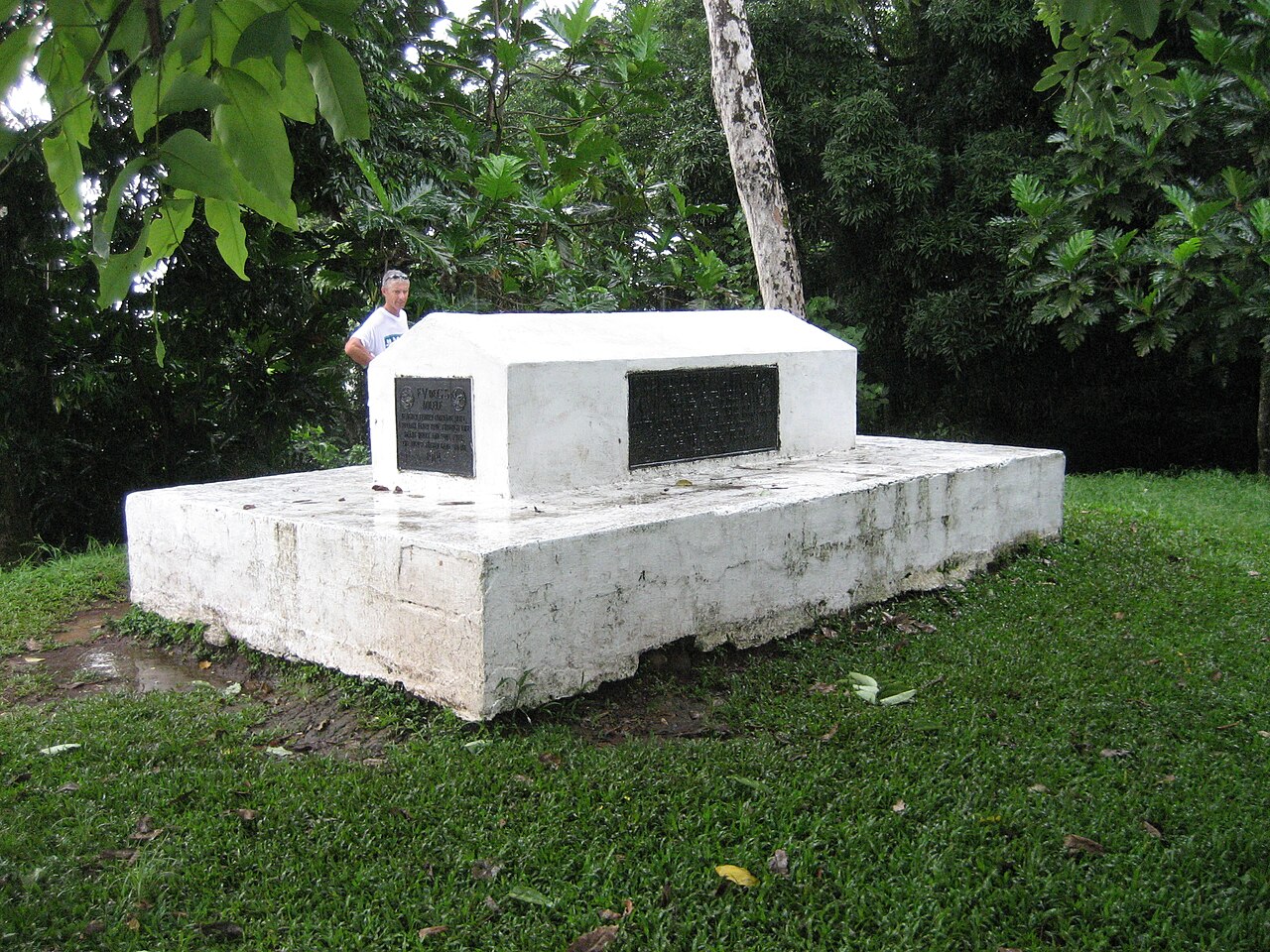
Sequence: Days 1–3, Apia — the market, Vailima and Stevenson's tomb, Piula Cave Pool on the north coast, an evening at a harbor restaurant, and the recovery from the long Pacific flight done gently. Days 4–6, the south coast — base at Lalomanu's beach fales (the fale is Samoa's great institution: an open-sided thatched oval on the sand, mattress and mosquito net, the family's cooking included, the Pacific 10 feet away — book the enclosed-fale upgrade if you need a door) for To Sua at opening time, the Aleipata reefs, Namu'a Island's turtle water by little boat, and Togitogiga Falls inland. Days 7–10, Savai'i — ferry from Mulifanua (about 75 minutes), a west-coast or north-coast base, the lava fields, the blowholes, Afu Aau, and whole slow days. Day 11, back to Upolu for the buffer night near the airport road — Samoa's flights and ferry forgive enthusiasm, not tight connections. Money: the tala (WST); cards live in Apia's hotels and die at village gates (cash for every customary fee, fale balance and market); the bus network is charming, colorful and entirely unhurried (a fine way to spend a day, a poor way to keep an appointment); and the rental car — booked ahead in dry season — is what turns 2 islands into 1 trip.
Picture the place
The last evening at Lalomanu: dinner in the big fale as the family's singing practice drifts from the church hall, the reef murmuring through the open walls, and no lock on any door because the village is the lock.
The easily missed detail
The fale stay is a social contract, not a hotel product: you are sleeping in the village's front room, and the etiquette is the experience — greetings offered (talofa lava), Sunday observed, the evening prayer (sa) hour respected when the village bell rings and movement pauses, swimwear kept to the beach, and Sunday dress (a puletasi or lava-lava and shirt) worn if you join the village at church, as you will be warmly invited to. Travelers who keep the contract are fed stories no tour sells. The second detail is the prayer hour itself: many villages observe a daily sa (about 6 p.m., 10–20 minutes, signalled by bell or shell) during which you stop walking or driving through the village — plan evening movements around it, exactly as you would a level-crossing schedule.
A practical rhythm
- 2 islands, 3 bases — Apia, the south coast, Savai'i: never fewer than 3 nights in any
- Sunday placed, not lost — A fale Sunday with the to'ona'i at the trip's center
- The ferry mid-trip — Savai'i between Upolu blocks, with the buffer night before the flight home
What could complicate the plan
The calendar fights first-timers in 3 places: Sunday (sites late-opening or closed, villages at church, buses scarce — arrive Thursday or Friday to land softly, never plan a Sunday transfer), the wet season (November–April: cyclone risk, the ferry cancelled in heavy swells, south-coast roads and falls at their most dramatic and least reliable), and the diaspora peaks (Christmas and June–July school holidays fill flights and fales with returning families — book early and expect the country's prices to follow Auckland's school calendar). Driving asks adaptation: left-hand traffic, village speed limits enforced socially as much as legally (children, pigs and prayer hours all use the road), livestock on the south-coast road at dusk, and fuel stations concentrated in Apia and Salelologa. Money and signal thin together outside Apia (cash and offline maps are the provincial kit). Health: dengue seasons flare, reef cuts infect fast in the tropics (the falema'i clinics are good; serious care is Apia's national hospital or evacuation), and the measles advisory belongs in the pre-flight checklist. None of it is hard — all of it is Samoa being a governed, churched, village country rather than a resort with scenery — and the 10–12 day shape above is specifically built to absorb every item on this list.
What to do next
Book the Lalomanu fale and the rental car for a June window, put the Savai'i ferry in the middle, and let 1 Sunday belong entirely to the village that hosts you.
Sources
- Samoa Bureau of Statistics, 2021 census — population 205,557; island areas (Upolu 1,125 km²; Savai'i 1,694 km²)
- U.S. Department of State, Samoa — entry (no visa to 90 days; passport 6 months) and normal-precautions advisory
- Samoa Tourism Authority — Faleolo gateway routes; beach fale stays and their terms; village etiquette and the sa (prayer) hour
- Historical record — the December 30, 2011 dateline jump (UTC+13); left-hand driving from September 7, 2009
- Samoa Shipping Corporation — Mulifanua–Salelologa ferry (about 75 minutes)