Samoa country guide Food and drink
What local dishes should I try in Samoa, and where should I look for them?
The short answer
Palusami and oka, a Sunday to'ona'i from a proper umu, sapasui and panikeke, and koko Samoa to finish: Samoa's table is coconut, taro and the earth oven, and its finest restaurant is a family's Sunday lunch — with Apia's markets and eateries filling the week's other meals.
The answer, with local context
The cuisine's center of gravity is the umu — the earth oven of hot volcanic stones — and its liturgy is Sunday: families cook after morning church for the to'ona'i, the Sunday lunch eaten slowly in the fale, and the dishes of that table are the canon. Palusami (also called lu'au) is the signature: young taro leaves wrapped around coconut cream and onion, parcelled in breadfruit leaf and baked in the umu until the leaves turn silken and smoky — rich enough to define the national palate. Beside it: oka, raw fish (usually tuna or trevally) marinated in lime and drowned in coconut cream with onion and chilli, Samoa's ceviche and the dish every fale lunch opens with; whole baked fish and chicken from the stones; taro and breadfruit (ulu) roasted in their skins; and fa'alifu taro, the root simmered in coconut-onion sauce. The weekday register adds the imports that became Samoan: sapasui (chop suey — soy-dark glass noodles with chicken or beef and vegetables, a Chinese-Samoan inheritance now served at every celebration), panikeke (round, golden deep-fried pancakes sold hot at markets and bus stops), keke pua'a (steamed pork buns), and the German-era bakery line of Apia (the legacy of the pre-1914 German colony, still turning out breads and cakes). Koko Samoa closes meals and opens mornings: a bitter, thick cacao drink whisked from Samoa's own cacao (koko beans are sold as roasted masses at markets), the ancestor of the country's small fine-chocolate revival.
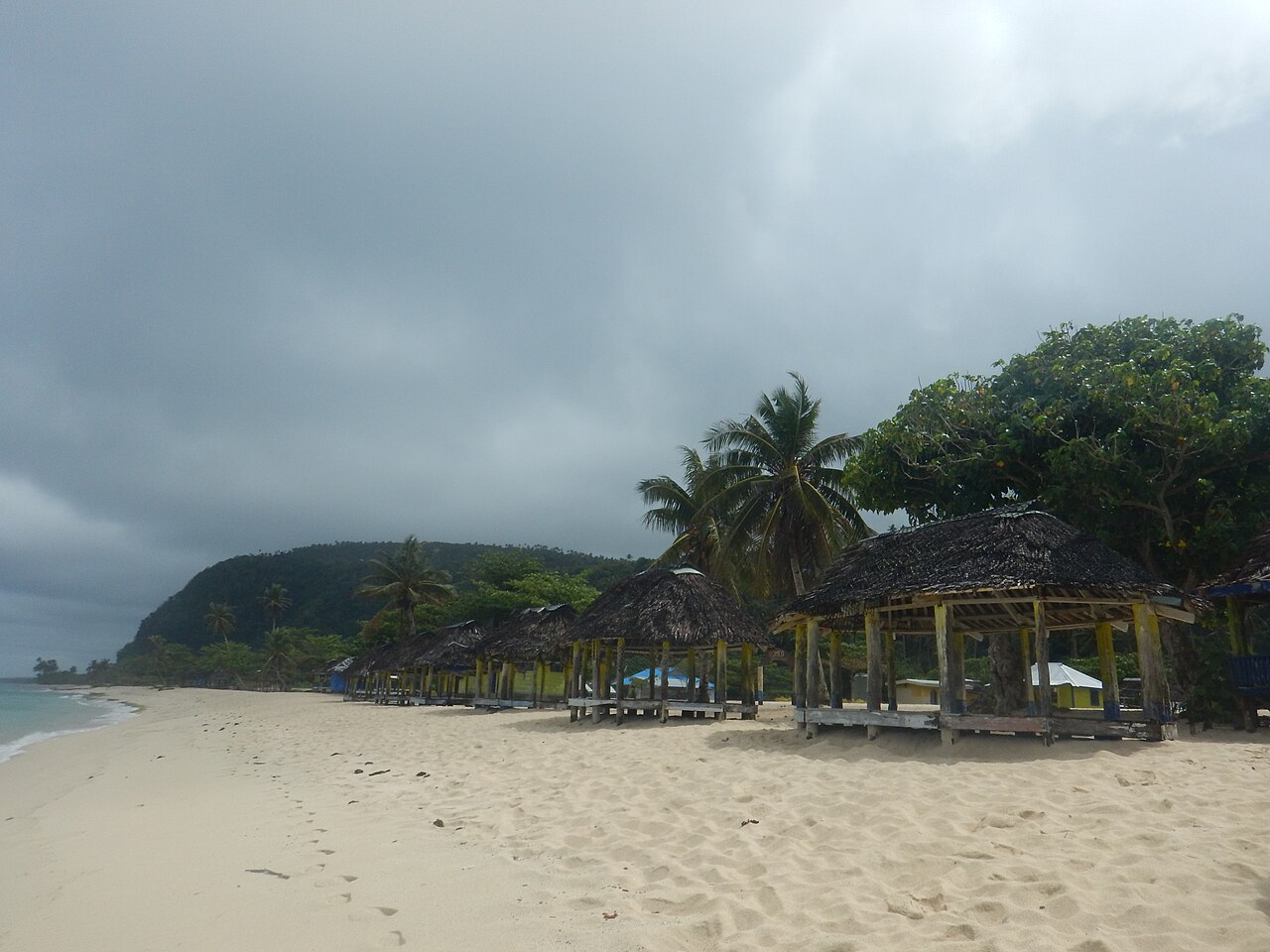
Where to eat: Apia's Fugalei Market (Maketi Fou) is the food traveler's headquarters — koko masses, panikeke stalls, cooked-food counters, and the produce of both islands stacked in season (breadfruit, taro, bananas, mangoes, pawpaw, the giant Samoan avocados). The town's restaurants serve the canon properly (Paddles on the harbor, Amanaki's seafood, Scalini's Italian-Samoan longevity, hotel tables at Taumeasina and the Sheraton Aggie Grey's — the legendary hotelier's name still over the harbor), while the beach fale circuit on the south coast and Savai'i serves family cooking as part of the stay: a fale night's price traditionally includes dinner and breakfast, and the dinner is what the family eats, elevated — oka, palusami when the leaves are picked, fish from the day's water. Resorts run umu nights with entertainment for those who want the form on demand. Vailima beer (brewed in Samoa since 1978) is the national glass; 'ava (kava) belongs to ceremony, not the bar. Water: Apia's supply is treated; village water varies — bottled is the traveler's default outside hotels, and ice follows the same rule as everywhere in this series.
Picture the place
A to'ona'i in a village fale at 1 p.m. on Sunday: palusami steaming in its leaf, a whole fish from the umu, the family in white, and the afternoon quite deliberately going nowhere.
The easily missed detail
Coconut cream is the cuisine's grammar, and Samoa makes it properly: the cream is grated and squeezed fresh from mature nuts (not canned) for palusami and oka at any table that cares, which is why the same dish at a fale lunch outruns its restaurant versions — the fale's advantage is not romance, it is labour and freshness. The second detail is the koko: Samoan cacao was a German-era plantation crop that went feral and family-scale, and the market koko mass (roasted beans pounded solid) whisked with water and sugar is a drink with more in common with pre-industrial chocolate than with cocoa powder — buy a mass at Fugalei and you take the recipe home, provided biosecurity at your border allows it (declare it; some countries will take it).
A practical rhythm
- Sunday in a fale — The to'ona'i is the trip's key meal; arrange the fale stay to include it
- Markets for breakfast — Panikeke and koko at Fugalei before the day heats
- 1 composed dinner — Paddles or Amanaki for oka and palusami done at restaurant standard
What could complicate the plan
Sunday rules the food calendar as it rules everything: most restaurants close or shorten, markets rest, and the to'ona'i is a family institution — visitors join it by staying in fales or by invitation, not by booking a table, and arriving on a Saturday positions you for it while arriving Sunday afternoon misses it entirely. The fale-meal system needs its terms understood: dinner-and-breakfast inclusion varies by fale (confirm when booking), menus are the family's, and dietary requirements (vegetarian is the hard one in a coconut-and-fish canon — palusami and taro carry it, but protein is pescatarian at best) must be declared before arrival, not at the mat. Food safety is tropical-standard: oka is raw fish (eat it where turnover is high and the morning's catch is the source), market hot food is best at peak frying times, and water discipline applies. Markets thin after midday and close Sundays; the cacao and fresh goods at Fugalei are morning commerce. And the measles-era health border (advisory vaccination) plus ordinary Pacific biosecurity run both ways — Samoa inspects arrivals for plant and food material, and your home border will inspect your koko: declare everything.
What to do next
Book the fale nights across a Sunday, breakfast at Fugalei at least twice, and order palusami every time it is offered anywhere.
Sources
- Samoa Tourism Authority — Samoan dishes (palusami, oka, umu and the to'ona'i); Fugalei Market; Vailima beer
- Cultural record — fa'a Samoa foodways: the Sunday to'ona'i, sapasui and panikeke, koko Samoa and the German-era bakery tradition
- Hotel and restaurant record, Apia — Paddles, Amanaki, Scalini's, Aggie Grey's
- Samoa Ministry of Health — traveller health advice