Saudi Arabia country guide Trip planning
How can I plan a memorable first trip to Saudi Arabia without rushing?
The short answer
Ten to twelve days in three bases — Riyadh with Diriyah, AlUla, and Jeddah — flying the long legs instead of driving them, on the tourist eVisa that has opened the kingdom since September 2019.
The answer, with local context
The entry paperwork is the easy part. The Saudi tourist eVisa, launched on September 27, 2019, when the kingdom opened to leisure tourism for the first time, is a one-year, multiple-entry visa allowing up to 90 days in the country for citizens of more than 60 countries, applied for online and bundled with mandatory medical insurance for a total around SAR 535 (about US$143), the riyal being pegged at 3.75 to the dollar. The planning difficulty is not admission but geography: Saudi Arabia covers about 830,000 square miles (2.15 million km²), and its marquee regions sit at the corners. Riyadh to Jeddah alone is nearly 600 miles (950 km). The unhurried solution is to fly those legs — Saudia and flynas link every region — and spend the saved days inside three bases.
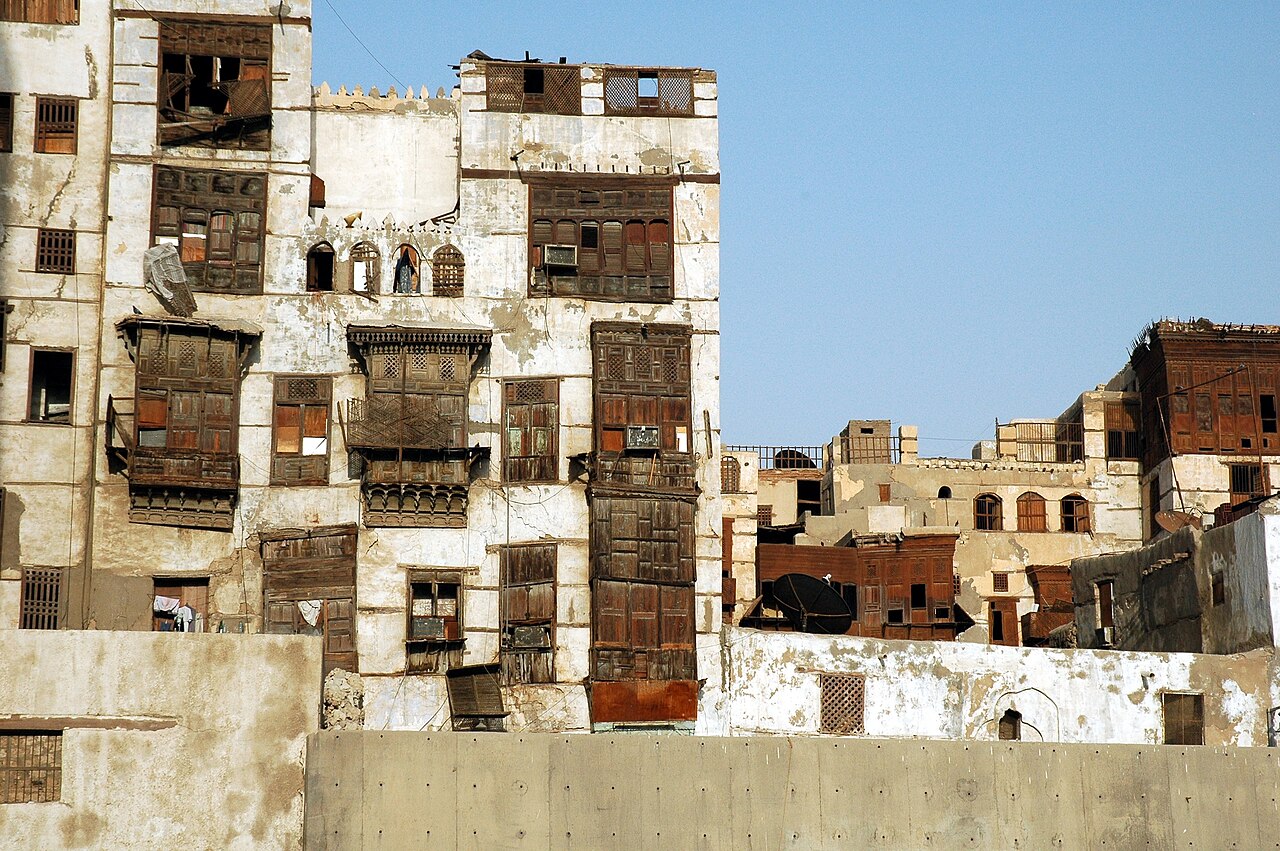
Give Riyadh three nights: one day for the capital's museums and the Masmak Fortress, one evening-and-day for Diriyah's At-Turaif across the wadi, and a sunset run to the Edge of the World. Then fly the two hours to AlUla for three nights, the single richest stop: a timed-entry morning at Hegra, a day for the Old Town, Dadan and the Elephant Rock, and an evening left deliberately empty for the desert sky. Finish in Jeddah for three nights — Al-Balad's coral-stone tower houses (UNESCO's Historic Jeddah, 2014) before the heat builds, the Corniche after it breaks, and a Red Sea boat day if the season allows. The Haramain High-Speed Railway, running at up to 186 mph (300 km/h) between Jeddah, King Abdulaziz Airport and Medina, makes the Hejaz leg effortless and is worth taking for its own sake.
Two boundaries shape every itinerary and should be planned around, not into. Mecca is closed to non-Muslims entirely, with checkpoint enforcement on the approach roads, and in Medina the Prophet's Mosque haram area is likewise reserved to Muslims — though the rest of Medina city is visitable, which is why the Haramain line still works for a mixed itinerary. Muslim travelers use separate Umrah provisions, and the tourist visa does not cover Hajj. Everything else about the visit rewards the same unhurried register the itinerary aims at: modest dress without any legal abaya requirement for visitors since 2019, a Friday–Saturday weekend, alcohol prohibited, and a daily rhythm that pauses for prayer and peaks after dark.
Picture the place
From Jeddah's Corniche at sunset the Red Sea goes copper, families unroll picnic blankets on the grass for a hundred yards, and behind you Al-Balad's coral towers — built of sea-stone and teak by pilgrim-trade merchants — turn the color of honey in the last light.
The easily missed detail
The Haramain line quietly solves Saudi Arabia's hardest routing problem: it lets you sleep in Jeddah, spend a day in visitable outer Medina and be back for dinner, without a car. Watch the return times when booking — the evening services fill with commuters, and the last comfortable return is earlier than the timetable's theoretical end.
A practical rhythm
- Days 1–3 — Riyadh: museums and Masmak by day, Diriyah in the evening light, the Edge of the World at one sunset.
- Days 4–6 — AlUla by air: Hegra timed for the morning, the oasis and old town at walking pace, Dadan and Elephant Rock on the third day.
- Days 7–10 — Jeddah: Al-Balad early, Corniche evenings, the Haramain line for a Medina day if it fits your party's access, and a spare day left unscheduled on purpose.
What could complicate the plan
Ramadan transforms the trip rather than ruining it — sightseeing empties by day and feasts by night — but it needs deliberate scheduling and respect around public eating. The Hajj season suspends tourist eVisa issuance around its window and floods the Hejaz with pilgrims. Hotel capacity in AlUla remains the binding constraint in festival weeks. And intercity drives, though the highways are excellent, quietly consume the days the trip was designed to save; the discipline of flying is the whole design.
What to do next
Apply for the eVisa, book AlUla's rooms first — they are the scarce resource — and then let flights and the Haramain timetable assemble the triangle for a January departure.
Sources
- Saudi Ministry of Tourism / Visit Saudi — the tourist eVisa launched September 27, 2019; one-year multiple entry with up to 90 days; total cost about SAR 535 including mandatory medical insurance; the riyal pegged at 3.75 per US dollar
- Haramain High-Speed Railway — services at up to 300 km/h linking Jeddah, King Abdulaziz International Airport, King Abdullah Economic City and Medina across the Hejaz corridor
- UK FCDO travel advice for Saudi Arabia — Mecca closed to non-Muslims with checkpoint enforcement; Medina's Prophet's Mosque haram area reserved to Muslims while the rest of the city is open; alcohol prohibited; no legal abaya requirement for visiting women since 2019