Serbia country guide Trip planning
How can I plan a memorable first trip to Serbia without rushing?
The short answer
Give it 10–12 days in 3 arcs — Belgrade and the north (Novi Sad, Fruška Gora), the southwest (Zlatibor, Tara, Uvac, the monasteries), and 1 southern or eastern leg (Niš or the Iron Gates) — riding the fast trains where they exist and surrendering to the mountain roads where they don't.
The answer, with local context
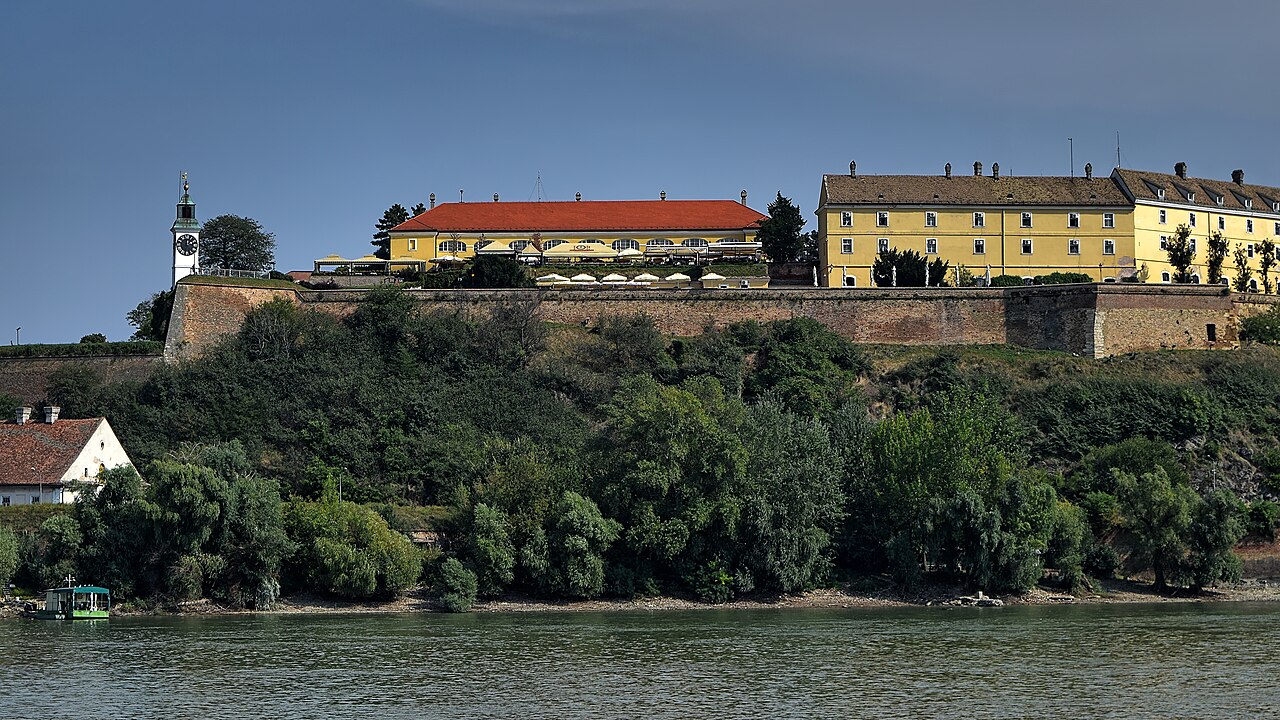
The transport map writes the plan. Belgrade to Novi Sad is now 80 km in 36 minutes on the Soko fast trains (the 200 km/h line opened in 2022 and was extended to Subotica and the Hungarian border in 2025), so the north is a commuter hop: Petrovaradin Fortress, the EXIT grounds, Fruška Gora's monasteries and Sremski Karlovci's cellars in 2 easy nights. Belgrade to Niš is 237 km of motorway (about 2.5 hours) for Constantine's city and the Skull Tower; Belgrade to Zlatibor about 230 km and 3.5–4 hours of climbing road; Belgrade to the Uvac reserve (Nova Varoš) about 280 km — the southwest is a commitment, and the plan gives it 3–4 nights (Zlatibor town, Tara's Drina viewpoints, the Uvac boat and viewpoints, and the Šargan Eight heritage railway at Mokra Gora, the figure-eight narrow-gauge line through the mountain, beside Emir Kusturica's wooden Drvengrad village). Studenica and the Ibar monasteries attach to the southwest's return leg via Kraljevo. The Iron Gates (Golubac, Lepenski Vir) work as a long Belgrade day or a 2-night eastern coda. The 2022 census counted 6,647,003 residents; this is a country of Belgrade (a quarter of the nation) and then space — the arcs above respect that.
Entry is refreshingly un-Schengen. The U.S. Department of State confirms: no visa for U.S. citizens up to 90 days; Serbia's 90 days stand apart from the Schengen allowance entirely, so a long European trip can breathe here. The 1 formality is registration with the police within 24 hours of arrival — hotels file it and hand you the confirmation, private stays require a police-station visit — and drivers should carry an International Driving Permit with their U.S. licence. The currency is the dinar; cards run the cities and the motorways, cash runs the mountains, the monasteries' guesthouses and the village kafane. Nikola Tesla Airport is the natural hub (Niš's small airport adds seasonal European links), and the fast-rail spine means the trip can be flown into Belgrade, railed north, and driven southwest in 1 clean sequence without a backtrack.
The unhurried Serbian rhythm is the reward: kafana lunches that take the afternoon, monastery guesthouse evenings, a football crowd or a basketball night in the capital (the Partizan–Red Star derbies are a civic religion), sunset at Kalemegdan as a daily practice rather than a sight. Build 1 day with nothing in it per arc — the day the rain closes Uvac's boats becomes the day in a Zlatibor kafana with komplet lepinja and the house šljivovica, which is not a lost day at all. Serbia is Europe at its least packaged; the pace above is how a first trip stays that way.
Picture the place
The Šargan Eight train curling through its own figure-eight above Mokra Gora, woodsmoke from Drvengrad's chimneys, and the Tara ridges stacked blue to the horizon.
The easily missed detail
The fast train reorders the obvious: Novi Sad is now closer to Belgrade in time (36 minutes) than Belgrade's own airport is in traffic — travelers who base in the capital can sleep in Novi Sad instead and commute the culture both ways. The second detail is the registration confirmation's afterlife: keep every hotel's white registration slip with your passport until you leave Serbia, because the exit check, when it happens, wants the whole stay accounted for — the slips are the paper trail of a rule most visitors never notice being followed.
A practical rhythm
- Rail north, road southwest — Soko trains for Novi Sad and Subotica; wheels collected for the Zlatibor–Tara–Uvac arc
- 3 arcs, 10–12 days — North (2–3 nights), southwest (3–4), capital bookends (3–4), 1 leg east or south
- A spare day per arc — Held against mountain weather, monastery feasts and kafana gravity
What could complicate the plan
The southwest's roads are the tax: single carriageways, mountain weather, and summer weekend convoys of Belgraders to Zlatibor — transfer on weekday mornings and never schedule the Uvac boats on a departure day. Border geography needs a thought: Serbia's neighbours include territories and crossings with their own rules (the Kosovo-administered crossings are not ordinary tourist borders; some rental contracts exclude them and certain neighbours) — plan routes that keep the trip inside Serbia's administered road network unless a crossing is deliberate and documented. Festival spikes (EXIT in July, Guča in August, Roštiljijada at August's end) fill whole regions and triple the kafana queue. And winter redraws the map entirely: Kopaonik and Zlatibor become ski trips, the košava owns Belgrade, and the southwest's unhurried roads become chains-and-daylight operations.
What to do next
Sketch the 3 arcs, book Belgrade and Zlatibor first, and keep the registration slips in your passport wallet from day 1.
Sources
- U.S. Department of State, Serbia travel information — visa-free 90 days; police registration within 24 hours; temporary residence beyond 90 days
- Srbijavoz / Serbian railways — the Belgrade–Novi Sad high-speed service (36 minutes) and its 2025 extension to Subotica
- Statistical Office of the Republic of Serbia, 2022 census — 6,647,003 residents
- National Tourism Organisation of Serbia — distances and seasons for Zlatibor, Tara, Uvac and the Iron Gates