Suriname country guide Food and drink
What local dishes should I try in Suriname, and where should I look for them?
The short answer
Pom, roti with masala chicken, saoto soup, bami and nasi from the Javanese warungs, and heri heri: Suriname's table is the only one on Earth where Javanese, Hindustani, Creole, Maroon, Chinese and Dutch kitchens share a single market — eat by neighborhood, not by restaurant.
The answer, with local context
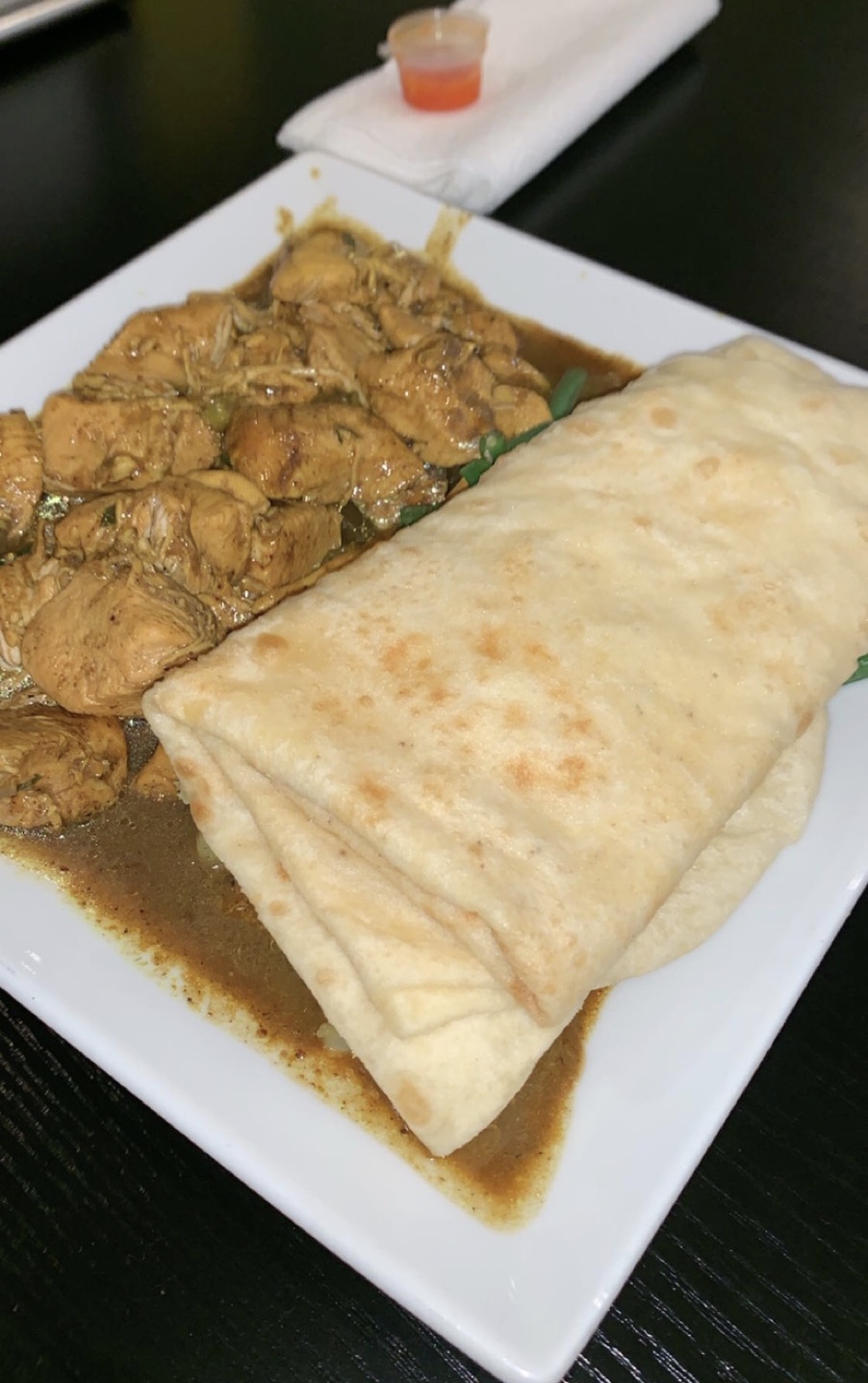
Every community brought a cuisine and the capital kept them all. Creole cooking gives the national celebration dish: pom — a casserole of grated pomtajer (a taro-family root) with chicken and citrus, baked to an orange-brown crust, served at birthdays and parties with rice and green beans (a pom without an occasion is just lunch; with one, it's Suriname on a plate) — plus heri heri (boiled ground provisions and plantain with saltfish and egg, the Afro-Surinamese heritage plate), moksi alesi ("mixed rice" with meats and beans) and brown bean and rice dishes. Hindustani kitchens (from the 1873 indenture ships) run the roti shops: flaky roti paratha-style and dhalpuri with masala chicken, potato-eggplant curry, long beans and pumpkin, bara (fried spinach-flecked dough), phulauri and chutneys, with roti eaten torn and scooped, never cut. Javanese kitchens (1890 arrivals) own the warung register: bami goreng and nasi goreng in the Surinamese key (sweet ketjap manis, sambal heat), saoto — the great turmeric chicken soup with bean sprouts, egg and crispy shallots — teloh (cassava with saltfish bakkeljauw), sate with peanut sauce, dawet (the pink-green coconut iced drink) and lemper. Chinese-Surinamese adds tjauw min and moksi meti (mixed roasted meats), and the Amerindian and Maroon base runs underneath: cassava in all forms, pepre watra (the peppery fish soup), and plantain everywhere. Drinks: Parbo beer (the national lager, since 1955), Borgoe rum (the sugar-estate classic), ginger beer sharp enough to argue with, and fresh juices (maracuja, soursop, West Indian cherry).
Where to eat is a neighborhood map: Blauwgrond (northern Paramaribo) is Javanese warung row — Sunday evening is its parade night, plastic tables, saoto and bami at local prices; the roti institutions (Roopram's multiple branches, Joosje and the shop rows along the Kwattaweg) do the Hindustani canon at lunch; the Central Market (Waterkant side) runs food stalls, produce mountains and the spice-and-herb aisles; 't Vat is the Waterkant-adjacent terrace institution for Parbo and people-watching; Zus & Zo and the guesthouse restaurants cover the polished register; Sara's and the Dutch-influenced bakeries do ontbijtkoek and Surinamese-Dutch pastries; and the Commewijne day (this guide's places) lands you at plantation lunches. Street level: the warungs around the bus stations and the Friday and Sunday markets carry teloh, bara and saoto at their freshest. A national note: Suriname is halal-aware (large Muslim Javanese and Hindustani communities) and Hindu vegetarian days shape menus (many roti shops run meatless Thursdays by custom) — the variety is a system, not an accident.
Picture the place
Blauwgrond on a Sunday night: 20 warungs steaming along 1 street, saoto bowls landing 2 at a time, ketjap-sweet bami hitting hot oil somewhere behind you, and every table a different Suriname.
The easily missed detail
Pom's social law: it is a party dish cooked in big pans by the family's pom specialist, and ordering it in a restaurant midweek gets you a good casserole — but the real thing arrives when a guesthouse host or a tour guide's family has a birthday. Travelers who express pom interest early and warmly get invited; the dish is a door, not a menu item. The second detail is breakfast in Paramaribo: the Dutch-Indonesian inheritance means hotel and guesthouse mornings can run from bread-and-sprinkles to full nasi — ask what the kitchen's own people eat and follow them to the warung at the corner for saoto at 8 a.m., the locals' true breakfast of champions.
A practical rhythm
- Eat by neighborhood — Blauwgrond for Javanese, Kwattaweg for roti, the market for everything at once
- Lunch is the feast — Roti shops and warungs peak midday; dinners run lighter and later
- Say yes to parties — Pom, heri heri and the celebration dishes live at occasions, not addresses
What could complicate the plan
Food timing has rules: warungs and roti shops are lunch-first institutions (many close by mid-afternoon; Blauwgrond wakes again on weekend evenings), markets are morning buildings, and Sunday closes much of the Creole-Dutch city while Blauwgrond opens — plan the food map by day, not appetite. Hygiene is market-standard (hot, fresh, busy), tap water in Paramaribo is generally treated and used by hotels (bottled for the interior and the cautious), and sambal heat is structural (Surinamese food is pepper-proud — Madame Jeanette peppers run the kitchen scale; "mild" is a negotiation, not a setting). Upcountry eating is lodge-determined (river fish, cassava, chicken cycles — excellent, repetitive by day 3, vegetarian-manageable with notice) and alcohol thins fast beyond the capital (Parbo and Borgoe reach the lodges by boat; wine barely exists upriver). Religious variety cuts both ways for the planner: halal and vegetarian options are unusually findable (a real Surinamese blessing), while pork and beef each vanish from whole neighborhoods' menus — the variety this answer celebrates is navigated by reading each street's signs.
What to do next
Spend 1 lunch at Roopram, 1 Sunday evening at Blauwgrond, and tell your guesthouse host on day 1 that you have heard about pom.
Sources
- Surinamese culinary record — pom and pomtajer; heri heri; moksi alesi; saoto; teloh; tjauw min; pepre watra
- Paramaribo listings — Blauwgrond warungs; Roopram roti shops; the Central Market; 't Vat; Zus & Zo; Parbo beer (since 1955) and Borgoe rum
- Immigration history — Hindustani indenture from 1873; Javanese from 1890; the neighbourhoods their kitchens built
- Community record — pom as the celebration dish; meatless roti-shop customs; halal variety across the capital