Suriname country guide Places and experiences
What should a first-time traveler see in Suriname beyond the obvious highlights?
The short answer
The Central Suriname Nature Reserve's granite domes, Brownsberg's lake-view forest, the Saramaccan Maroon villages of the Upper Suriname, and the leatherback beaches at Galibi: the most forested country on Earth keeps its best rooms upriver and on the eastern shore.
The answer, with local context
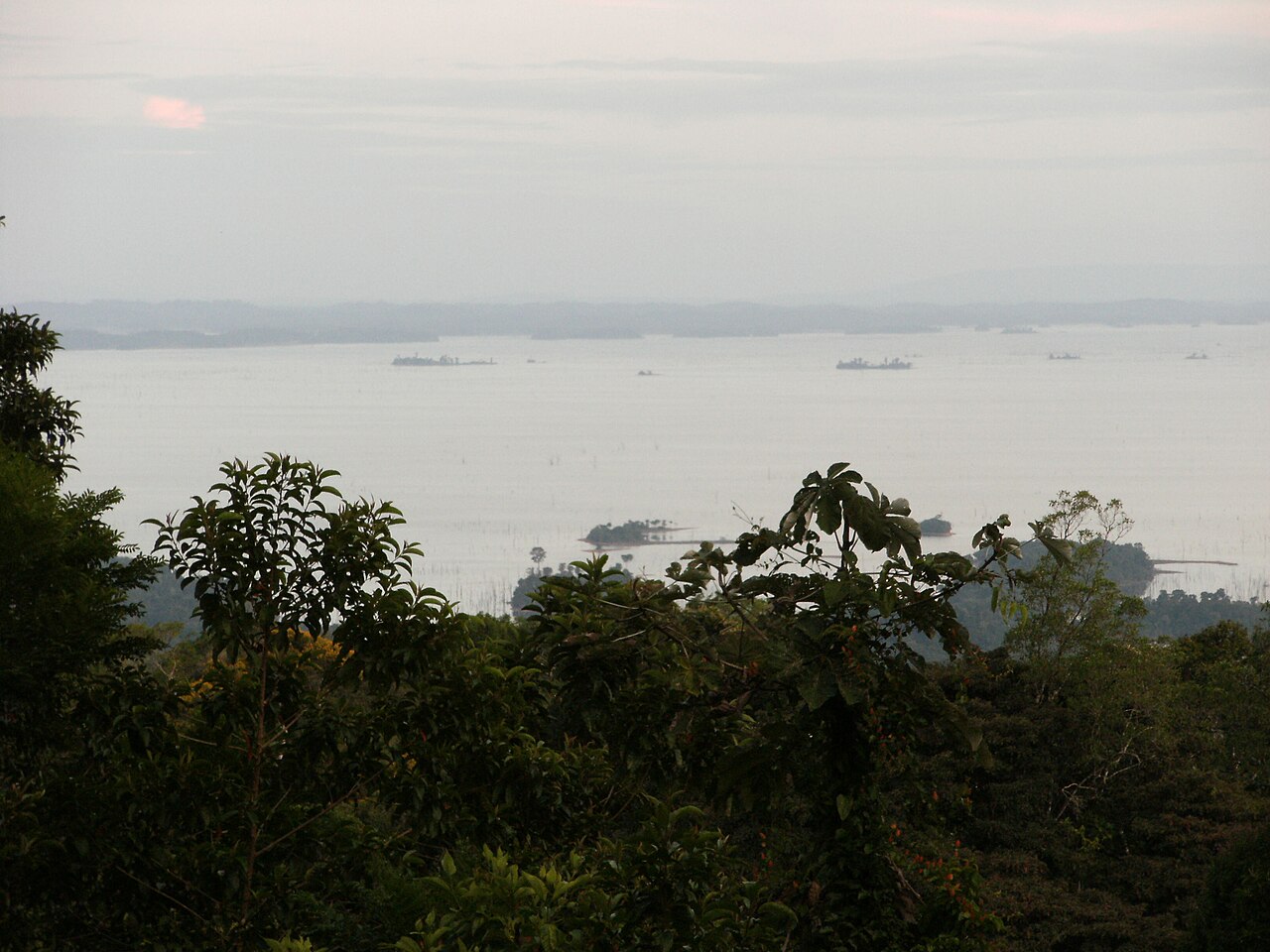
The scale first: 63,000 sq mi (163,820 km²), about 620,000 people (2022 census), roughly 93% forest cover — the highest of any country on Earth — and a population that is a world atlas in 1 small city: Hindustani and Javanese (indentured arrivals from 1873 and 1890), Afro-Surinamese Creoles and Maroons (descendants of escapes into the forest, treaty-recognised since the 1760s), Amerindian peoples (about 4%), Chinese, Lebanese, Dutch — with Dutch the official language and Sranan Tongo the street's lingua franca. The interior's crown is the Central Suriname Nature Reserve (UNESCO 2000): 1.6 million hectares of primary forest joining 3 reserves (Raleighvallen, Tafelberg, Eilerts de Haan), where the Raleighvallen's Voltzberg — a granite dome rising from the canopy — delivers the country's signature summit view and black spider monkeys work the riverside forest; access is a charter flight or a long river-and-road package, and the reserve's remoteness is the point. Closer (about 2 hours south of Paramaribo) Brownsberg Nature Park (STINASU-run, about 12,200 ha) floats above the Brokopondo Reservoir (the 1960s hydro lake that drowned a Maroon valley — Afobaka dam, 1964): waterfalls (Leo and Irene Falls), a mazaroniberg lookout over the lake, and the best howler-monkey odds near the capital.
The cultural interior is the river: from Atjoni (the road's end, 3 hours south) korjaals run up the Suriname River into Saramaccan Maroon country — villages like Nieuw Aurora, and lodges (Anaula on its island, Knini Paati, Awarradam on the Gran Rio's rapids) where the visit is a village relationship: wood carving, tembe art, cassava gardens, church and funeral customs explained by the community's own guides, and strict etiquette (ask before photographing; greet the kapiten's authority structures through your lodge). The east adds 2 registers: Commewijne across the river from the capital (Fort Nieuw Amsterdam's open-air museum, the plantation circuit by bike and boat — Frederiksdorp restored as a heritage lodge, Mariënburg's old sugar and rum factory ruins, Peperpot Nature Park's 820 ha of plantation-forest now run for birds and coffee history), and at the Maroni mouth, Galibi — the Kali'na village whose beaches (with neighbouring Matapica) host leatherback nesting (peak April–July; green turtles after, into August) under STINASU and WWF-linked beach patrols. The far west keeps 1 more jewel: Bigi Pan (near Nieuw Nickerie), a vast coastal wetland where scarlet ibis and 100+ bird species work the lagoons at dawn.
Picture the place
The Voltzberg at first light: granite under your hands, spider monkeys crossing a river bend below, and forest rolling unbroken to 3 horizons — 1.6 million hectares of it, with no road in.
The easily missed detail
Paramaribo's riverfront hides the country's sweetest wildlife fact: at Leonsberg and the Commewijne confluence, Guiana dolphins (the small coastal sotalia) and occasional pink river dolphins work the brown water at sunset — a 1-hour boat trip from the capital, dolphins guaranteed more often than not, that most visitors never take because it sounds too easy to be real. The second detail is Jodensavanne, 50 km south of the capital: the ruins of the 17th-century Jewish agricultural settlement (founded 1685, its synagogue Beracha ve Salom among the oldest in the Americas) and the Cassipora cemetery — inscribed by UNESCO in 2023 as Suriname's 3rd property and almost entirely unvisited: go with a guide, in the dry season, and you will likely have a World Heritage site to yourself.
A practical rhythm
- Brownsberg as the test — 1–2 nights: the interior in miniature before committing upriver
- The river block — 3–4 nights at 1 Upper Suriname lodge (never 2 in a row; the boats are the schedule)
- Galibi in season — April–July nights, paired with Commewijne on the way through
What could complicate the plan
Interior logistics are package-or-nothing: STINASU and the lodges control the boats, strips and permits; prices reflect small planes and long rivers, and dry-season low water (October–November) can add hours and portages to Upper Suriname runs (this guide's first answer's timing logic). Maroon village etiquette is law, not color: photography permissions, dress on village walks, no unaccompanied wandering, gifts and purchases handled through the lodge — the traveler who treats a Saramaccan village as a photo set will be corrected once, memorably. Galibi's turtles are seasonal and nocturnal (nesting peaks April–July; the village is reached by road to Albina then boat, or full boat from Paramaribo — a long day either way; the French Guiana border formalities at Albina involve the Maroni ferry zone). Brownsberg's road is graded dirt (wet season can defeat 2WD entirely; lodges' 4×4s run it daily in the dry), and Brokopondo's lake carries submerged-forest navigation hazards that keep boat trips operator-run. The country's politics have stabilised into a new era (a 2025 election brought the country's first woman president, and the offshore oil build — TotalEnergies' GranMorgu project, first oil targeted about 2028 — is filling Paramaribo's hotels with energy rotations), so book the capital's small stock early; cash (SRD) rules upriver entirely.
What to do next
Choose your interior depth honestly (Brownsberg, the river, or Raleighvallen), book it as a package, and keep Galibi for a nesting-season trip if turtles are the dream.
Sources
- UNESCO — Central Suriname Nature Reserve (inscribed 2000; 1.6 million ha); Historic Inner City of Paramaribo (2002); Jodensavanne Archaeological Site (2023)
- STINASU (Foundation for Nature Conservation in Suriname) — Brownsberg Nature Park (about 12,200 ha); Galibi nature reserve turtle seasons; Bigi Pan
- Suriname statistics — 2022 census about 620,000 people; about 93% forest cover
- Lodge and village record — Atjoni gateway; Saramaccan lodges (Anaula, Knini Paati, Awarradam); Commewijne circuit (Fort Nieuw Amsterdam, Frederiksdorp, Peperpot, 820 ha)