Tuvalu country guide Food and drink
What local dishes should I try in Tuvalu, and where should I look for them?
The short answer
Pulaka from the pits, fekei pudding in coconut caramel, fresh tuna from the lagoon fleet, and the Sunday to'ona'i table: Tuvaluan food is Polynesian subsistence cooking of great delicacy, and its restaurant row is the country's 2 hotels and a handful of family tables.
The answer, with local context
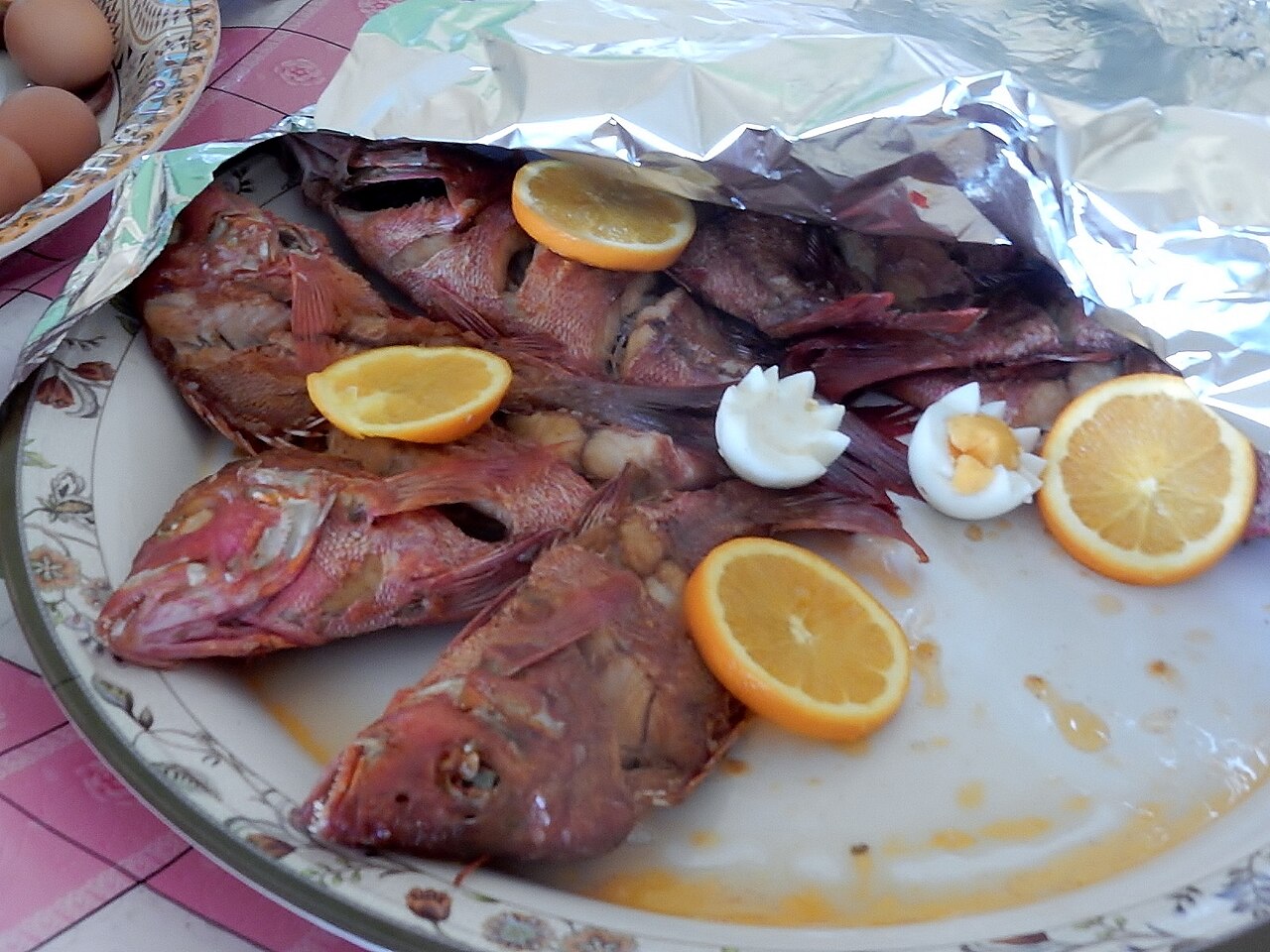
The Tuvaluan larder is written by the atoll's geology: almost no soil, salt in the water table, and a reef that provides. The foundational crop is pulaka — swamp taro (Cyrtosperma) grown in pits dug down to the freshwater lens, a plant that takes years to mature into the great corms that anchor feasts; pits are family wealth, tended like orchards, and their flooding by king tides is the country's food-security crisis in miniature. Around pulaka stand the other island staples: breadfruit (mei), coconut in every form (cream, toddy — kaleve — drinking nuts), bananas, pandanus on the outer islands, and the lagoon's protein: tuna above all (yellowfin and skipjack from the Funafuti fleet), reef fish, coconut crab, and imported rice and flour (the modern pantry, arrived by ship). The dishes to learn: fekei — pulaka (or banana) pounded and baked, served with lolo (coconut cream) or a coconut-caramel syrup, the sweet-feast signature; laulu — young taro leaves cooked in coconut cream, the green dish; pulaka and breadfruit steamed in the umu-style earth oven or boiled and sauced; the morning's tuna grilled, curried (the Indian-influenced kari of the modern Tuvaluan kitchen) or raw with coconut where the fish is hours old; and Sunday's to'ona'i, the after-church feast (in Tuvalu as across Polynesia) where the week's best is set out and guests are seated by honour.
Where to eat is a short, honest list — and that's the finding. Funafuti's tables: the Vaiaku Lagi Hotel (the government hotel, the country's flagship dining room, fish-forward and the default celebration venue), the smaller Filamona Lodge and family guesthouses (meals by arrangement, and the arrangement is the cuisine — a guesthouse dinner is a family dinner), a few cafés and takeaways along the Vaiaku waterfront (the Chinese-influenced stir-fries and curries of the trade-store era), the Funafuti market stalls near the wharf for fruit, cooked items and fresh fish sales, and the trade stores themselves (the cooperative and Chinese stores) for the picnic economy: tinned fish, noodles, biscuits, and the peaches-in-syrup of island dessert lore. On the outer islands, eating is the guesthouse-and-family system entire: your host cooks the island (what the pit gave, what the reef gave, rice always), and the traveler's contribution is flexibility, appetite and — at feasts — a modest gift (koha-style, a contribution toward the table) offered through the host. Water: Vaiaku's treated supply serves the hotels; elsewhere it's rain-tank water (boiled or bottled by preference, and in a dry spell, tank water is precious — showers are short by physics). Toddy (kaleve, fresh palm sap, lightly fermented if kept) and kava mark the social drinks; alcohol retail is limited and Sunday-suppressed.
Picture the place
A guesthouse dinner on Fongafale: the day's tuna in coconut cream, a mound of pulaka, breadfruit still warm from the oven, and your host explaining which pit the taro grew in and whose it was.
The easily missed detail
The pit is the pantry and the bank: a mature pulaka pit represents years of accumulated labour and composting (pits are fed with leaf litter for seasons), and the corms are dug by size for graded purposes — feast-grade giants for presentations, everyday corms for the pot. When a king tide floods a pit with salt water, the loss is measured in years, not weeks, which is why a Tuvaluan cook treats pulaka with a reverence a rice-eater reserves for vintage wine. The second detail is the ship's pantry effect: the monthly supply ship's arrival is a culinary event (fresh vegetables from Fiji for a few days, ice cream, flour) — eat the salads in ship week, and understand the menu's return to roots and tins in week 3 as the atoll's honest calendar, not a kitchen's failure.
A practical rhythm
- Hotel table first night — Vaiaku Lagi for the tuna and the lay of the land
- Guesthouse dinners after — Arrange family meals a day ahead; flexibility is the price, feasting the dividend
- Ship-week splurge — When the supply ship lands, eat everything green in sight
What could complicate the plan
Scarcity is structural and visitors should eat accordingly: Funafuti's fleet lands what it lands, pulaka is too precious to be a tourist staple in quantity (accept it gratefully, don't demand it daily — breadfruit and rice are the gracious everyday bases), and outer-island kitchens have no fallback store. Sunday closes commerce and celebrates church (the to'ona'i is by invitation; the uninvited traveler's Sunday is the hotel or yesterday's provisions — plan it, don't discover it). Health-wise this is straightforward tropical practice: reef fish from the lagoon fleet is the safe protein, ciguatera exists in the Pacific's reef food chains (locals know which species and seasons to avoid — eat what the family eats), and the diabetes-and-imported-food conversation is as live here as in Tonga (sweet drinks and fatty tins are the modern burden; the traditional table — fish, pulaka, greens, coconut in moderation — is the healthier one). Food gifts: bring small useful things (tea, quality tinned goods) rather than cash to a host table, and never photograph a feast before the blessing.
What to do next
Book your first dinner at the Vaiaku Lagi, move to guesthouse tables from night 2, and say yes to every fekei you're offered.
Sources
- Tuvaluan culinary record — pulaka pit cultivation (Cyrtosperma); fekei; laulu; kaleve toddy; the Sunday to'ona'i
- Tuvalu Tourism / Funafuti listings — the Vaiaku Lagi Hotel and Filamona Lodge; waterfront cafés and market stalls
- Government of Tuvalu / TCAP — king-tide salinisation of pulaka pits as a food-security concern
- Travel-health guidance — ciguatera in reef fish chains; rain-tank water practice