Vatican City country guide Trip planning
How can I plan a memorable first trip to Vatican City without rushing?
The short answer
Treat the world's smallest country as a 2-day jewel inside a Rome stay: basilica and square on 1 morning, Museums and Gardens on another, a Wednesday audience if the week allows, and Castel Gandolfo as the slow excursion — the whole state is 44 hectares, and the rush was never distance, only queues.
The answer, with local context
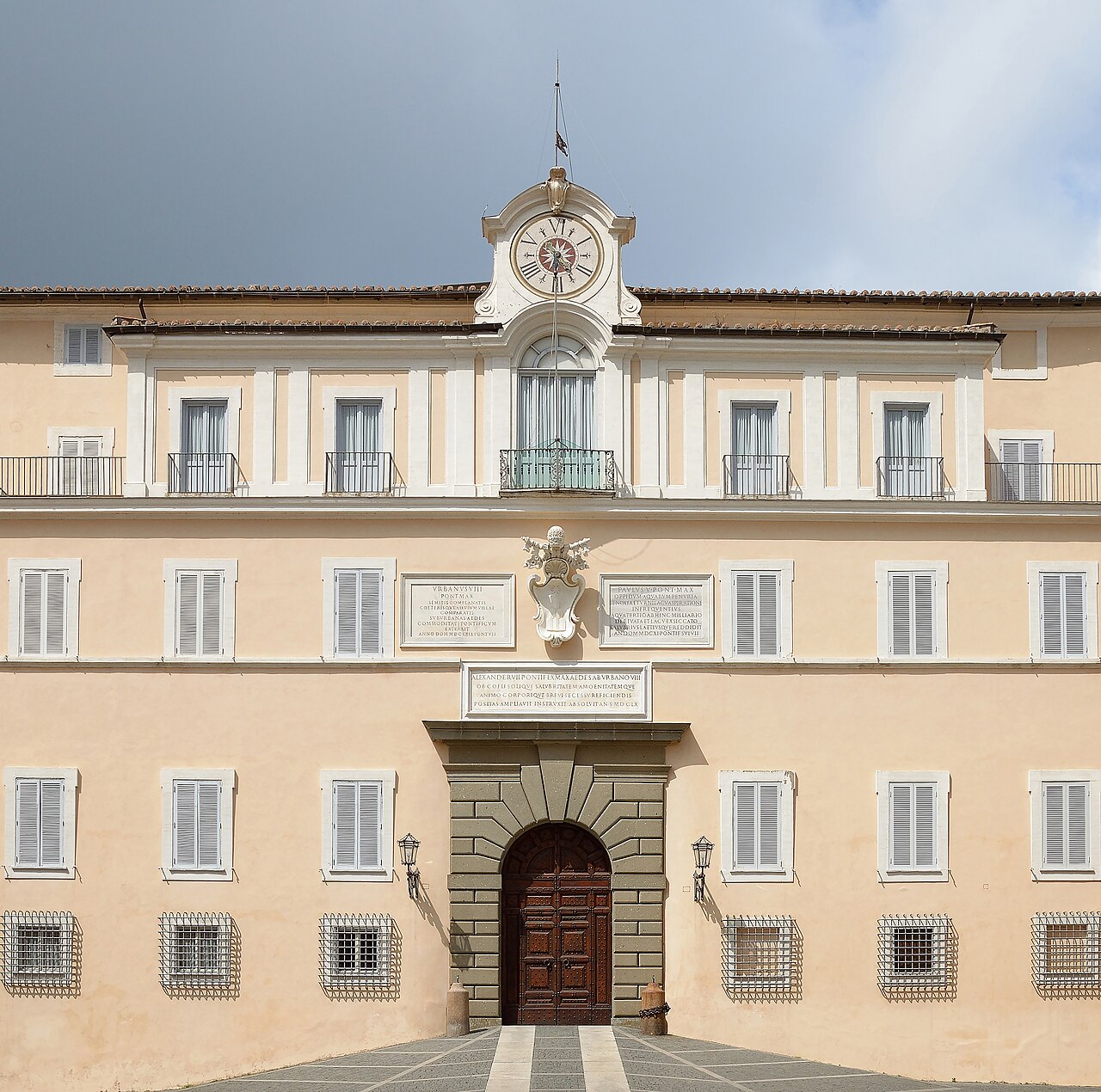
The planning units are hours, not miles. Vatican City measures about 1 km by 900 m at its widest; its border is a 10-minute walk from the Ottaviano and Cipro metro stations (Line A), and its sights form 3 clusters: the basilica-square-dome complex (free, open from 7:00 daily), the Museums-Gardens complex on the north wall (timed tickets; Monday–Saturday 8:00–20:00 with last entry 18:00), and the extraterritorial ring (the 3 other major basilicas across Rome, and Castel Gandolfo 25 km southeast, about 40 minutes by train from Roma Termini to the town below the palace). An unhurried first visit therefore looks like this: Day 1, St. Peter's at 7:00 (the basilica in its quiet hour), the dome climbed by 9, the square and Borgo Pio at leisure, the Scavi if your application landed. Day 2, the Museums at the 8:00 entry (booked weeks ahead on the official site; the Sistine Chapel is the route's end, so pace the galleries rather than sprinting them), the Gardens tour if booked, Prati for the evening. A Wednesday adds the general audience (free tickets reserved through the Prefecture of the Papal Household or collected the day before; arrive by 7:30 for a 9:00 audience), and a Sunday adds the Angelus at noon in the square — free, unticketed, 20 minutes of the Pope at a window above 50,000 people.
Entry is Italy's: the Vatican has no border controls of its own for visitors (you walk across a travertine line in the square into another state without a stamp — souvenir stamps exist at the post office, not the border), so U.S. citizens arrive on Italy's Schengen terms — visa-free 90 days in any 180, passport valid 3 months beyond departure (U.S. Department of State, Italy) — and register through the EU's EES at the Italian external border. The state's own rules are the dress code (shoulders and knees covered at basilica and Museums) and its liturgical calendar, which outranks tourism: basilica sightseeing pauses for Masses, the whole complex inverts on the great feasts, and during a sede vacante or conclave the Sistine Chapel closes and the square becomes the world's waiting room.
What "without rushing" means here is queue discipline, not geography: the 3 bookings that matter (Museums timed entry, Gardens, Scavi application) are made from home; the free things (basilica at dawn, Angelus, the square at night when the dome lights come on) are scheduled at their empty hours; and Rome absorbs the rest of the day. Travelers who "do the Vatican in a morning" see the Sistine ceiling through a moving crowd; the 2-day shape sees the ceiling, the gardens, the tomb and the town on the lake — which is the difference between visiting a sight and visiting a country.
Picture the place
The square at 10 at night, the crowds gone: the colonnades lit, the fountains running, the dome floating white above the facade, and the travertine border line under your feet between 2 countries.
The easily missed detail
There is no hotel in Vatican City: the Domus Sanctae Marthae is the cardinals' residence (and the late Pope Francis's home, now part of conclave geography), so every Vatican itinerary sleeps in Rome — Prati is the connoisseur's base, close enough for the 7 a.m. basilica start on foot. The second detail is the post office: the Vatican's mail (yellow post boxes, its own stamps) is a working souvenir — a postcard posted inside the walls with a Vatican postmark and stamps is the state's cheapest authentic artifact, and the mobile post office in the square exists for exactly that.
A practical rhythm
- 2 mornings, 2 complexes — Basilica day and Museums day kept separate, each started at opening
- The papal week — Wednesday audience or Sunday Angelus built in as the visit's living ceremony
- Castel Gandolfo as the epilogue — The palace and lake town as the slow final day, outside the walls entirely
What could complicate the plan
The liturgical calendar is the master variable: Holy Week, Christmas and June 29 transform access (papal Mass tickets are free but must be requested months ahead through the Prefecture), a papal death or conclave closes the Museums' heart and floods the square, and unannounced ceremonies rope off the basilica mid-visit. Queues are the second: security at the basilica is universal (there is no skip-the-line for a free church, whatever resellers claim — the official timed booking only organizes entry), the free last Sunday at the Museums is the month's worst crowd, and August pairs Rome's heat with the Museums' peak while many Romans leave. Mobility matters too: the dome's 551 steps have no step-free route to the lantern, and the Gardens tour is a 2-hour walk. None of it is hard; all of it rewards the calendar-first planning this answer describes.
What to do next
Fix 2 mornings, book the Museums and Gardens from home, apply for the Scavi, and sleep in Prati.
Sources
- Vatican Museums / St. Peter's Basilica official sites — opening hours, the free basilica entry, the dome's steps, the dress code and the last-Sunday rule
- Prefecture of the Papal Household — audience and papal Mass ticket procedures (free, by reservation)
- U.S. Department of State, Italy travel information — Schengen 90/180 entry and passport validity, applying to Vatican visits via Italy
- Holy See — the Lateran Treaty framework, the extraterritorial properties and the state's scale (44 ha)