Vatican City country guide Places and experiences
What should a first-time traveler see in Vatican City beyond the obvious highlights?
The short answer
The Vatican Gardens, the Scavi necropolis beneath the basilica, the Pinacoteca's quiet masterpieces, the 4 major basilicas beyond St. Peter's, and the papal palace at Castel Gandolfo — the Vatican that runs on reservations, gardens and extraterritorial keys.
The answer, with local context
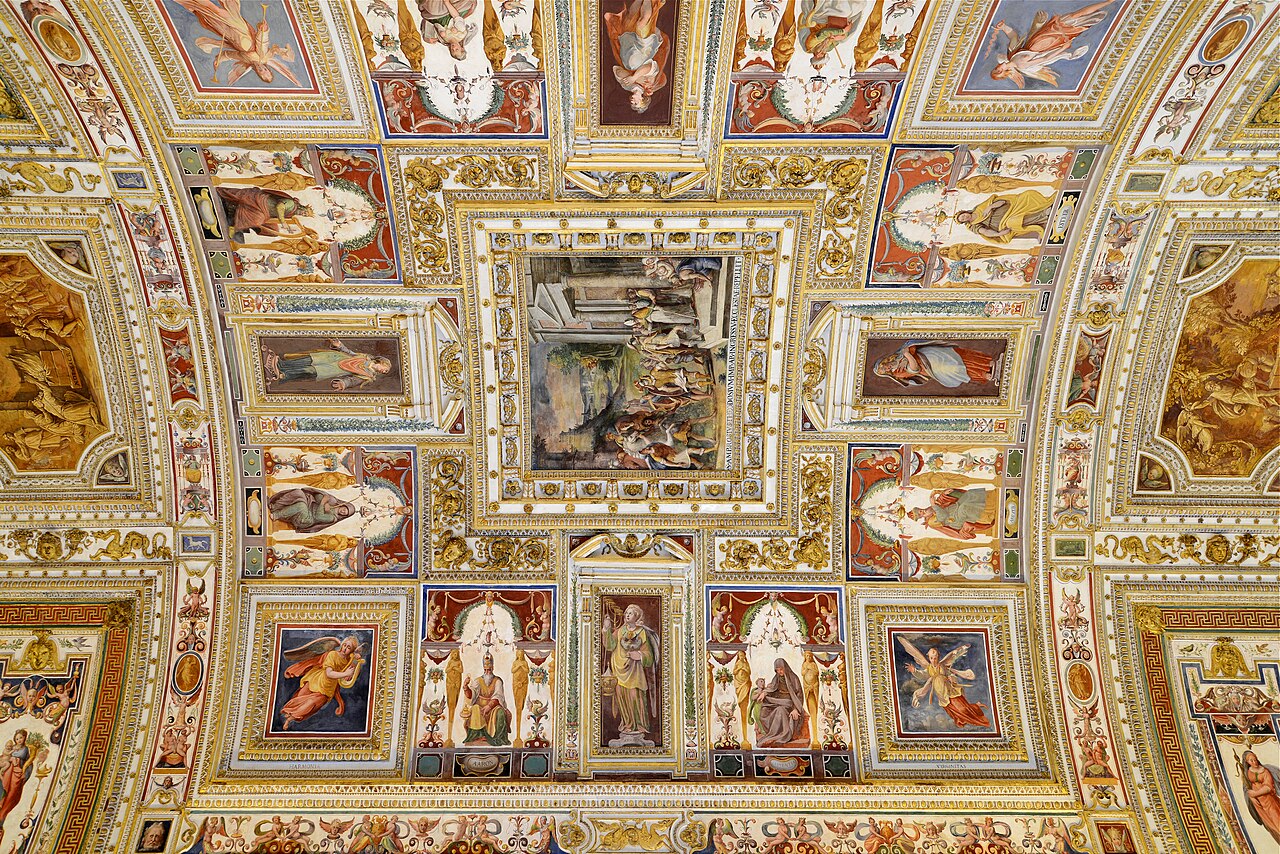
Half of the world's smallest state is a garden, and it is the first beyond-highlights door: the Vatican Gardens (about 23 hectares of the 44) open only on guided tours booked through the Museums — fountains, grottoes modelled on Lourdes, the helipad, the railway station of 1934 and the little state going about its business behind the walls, with the dome as a permanent backdrop. Below the basilica runs the second: the Scavi, the excavated Roman necropolis under St. Peter's, visited in small groups by advance application to the Ufficio Scavi (requests go by email or fax, months ahead; groups are capped and the tour ends at the shrine identified as St. Peter's tomb, beneath the baldacchino) — the most exclusive ticket in Rome and the most moving. Inside the Museums, walk past the Sistine-bound river to the Pinacoteca: Caravaggio's Entombment, Raphael's Transfiguration and Leonardo's unfinished St. Jerome in a dozen hushed rooms; the Gallery of Maps (a 394-foot corridor of 16th-century painted Italy) and the Anima Mundi ethnological collection (reopened in a new display in 2019) complete the inside list.
The Vatican also exists outside its walls, which is the traveler's real discovery. The Lateran Treaty leaves the Holy See a necklace of extraterritorial properties across Rome, headed by the other 3 major basilicas: St. John Lateran (the pope's own cathedral as Bishop of Rome — higher in rank than St. Peter's, and home to the Scala Santa, the Holy Stairs climbed on knees), Santa Maria Maggiore (Rome's great Marian basilica, with 5th-century mosaics and snow in August in its foundation legend) and St. Paul Outside the Walls (the vast basilica over Paul's tomb, its cloister the loveliest in Rome). Twenty-five kilometers away in the Alban Hills, Castel Gandolfo completes the map: the popes' summer palace, opened to the public as a museum in 2016 by Pope Francis, with the Barberini Gardens below it and a working pontifical farm of 55 hectares — the estate is larger than Vatican City itself, and the special train from the Vatican's own station has run there on scheduled Saturdays in season.
The small print is a delight in itself: the Pontifical Villas' farm produce, the Vatican Pharmacy (founded 1874, serving the public with a prescription and ID), the post office whose stamps and reliability Romans swear by, the Swiss Guard at the gates (the corps dates to 1506; new guards swear in on May 6, the anniversary of the 1527 sack when 147 of them died defending Clement VII), and the state's ATM by St. Peter's that famously offers Latin among its languages. A country of 882 residents runs a railway, a radio station (Vatican Radio, founded 1931 by Marconi) and a newspaper (L'Osservatore Romano, since 1861) — a thicket of detail that rewards the traveler who treats the microstate as a state rather than a queue.
Picture the place
The Vatican Gardens at tour's end: a fountain court in deep shade, the dome enormous above the umbrella pines, and a gardener wheeling a barrow across a lane inside a country most visitors never see.
The easily missed detail
The Scavi tour is applied for, not bought: the Ufficio Scavi takes requests by email with your dates, languages and party size, replies can take weeks, and no ticket window exists — travelers who arrive in Rome hoping to "sort it there" have already missed it by a season. Its twin is Castel Gandolfo's Barberini Gardens, reachable on the combined train-and-gardens tickets only on their scheduled days: the palace museum keeps generous hours, but the gardens, the farm and the train are a Saturday-shaped product that a weekday itinerary silently loses.
A practical rhythm
- Gardens in the morning — The Vatican Gardens tour taken early, when the light and the dome align
- 1 basilica per day — Lateran, Maggiore and Paul's treated as 3 separate Roman afternoons, not a checklist sprint
- Castel Gandolfo Saturday — Palace, gardens and lake town given the full excursion day they need
What could complicate the plan
Everything beyond the highlights is reservation-shaped and capacity-capped: Gardens tours sell out in high season, Scavi places are a few thousand a month against Rome's millions, and both basilica crypts and the necropolis keep liturgical closures that trump the tourist calendar. The extraterritorial basilicas are in Rome, not in the state — they run on Italian museum-and-church rules with their own security and dress enforcement — and Castel Gandolfo is a 25-km excursion with a small town's transport, not a metro hop. Papal events override all of it without notice: a funeral, a conclave or an extraordinary Mass redraws access overnight, and the state's tiny scale means there is no "other entrance" when one closes.
What to do next
Apply for the Scavi the day your Rome dates exist, book the Gardens with the Museums, and give Castel Gandolfo its Saturday.
Sources
- Vatican Museums — the Vatican Gardens tours and the Castel Gandolfo (Pontifical Villas) visits; the Pinacoteca and Anima Mundi collections
- Ufficio Scavi (Fabbrica di San Pietro) — the necropolis tour's application procedure and group limits
- Holy See / Lateran Treaty properties — the extraterritorial basilicas (St. John Lateran, Santa Maria Maggiore, St. Paul Outside the Walls) and the Pontifical Villas at Castel Gandolfo (palace opened as a museum in 2016)
- Pontifical Swiss Guard — the corps' foundation (1506) and the May 6 swearing-in