Yemen country guide Food and drink
What local dishes should I try in Yemen, and where should I look for them?
The short answer
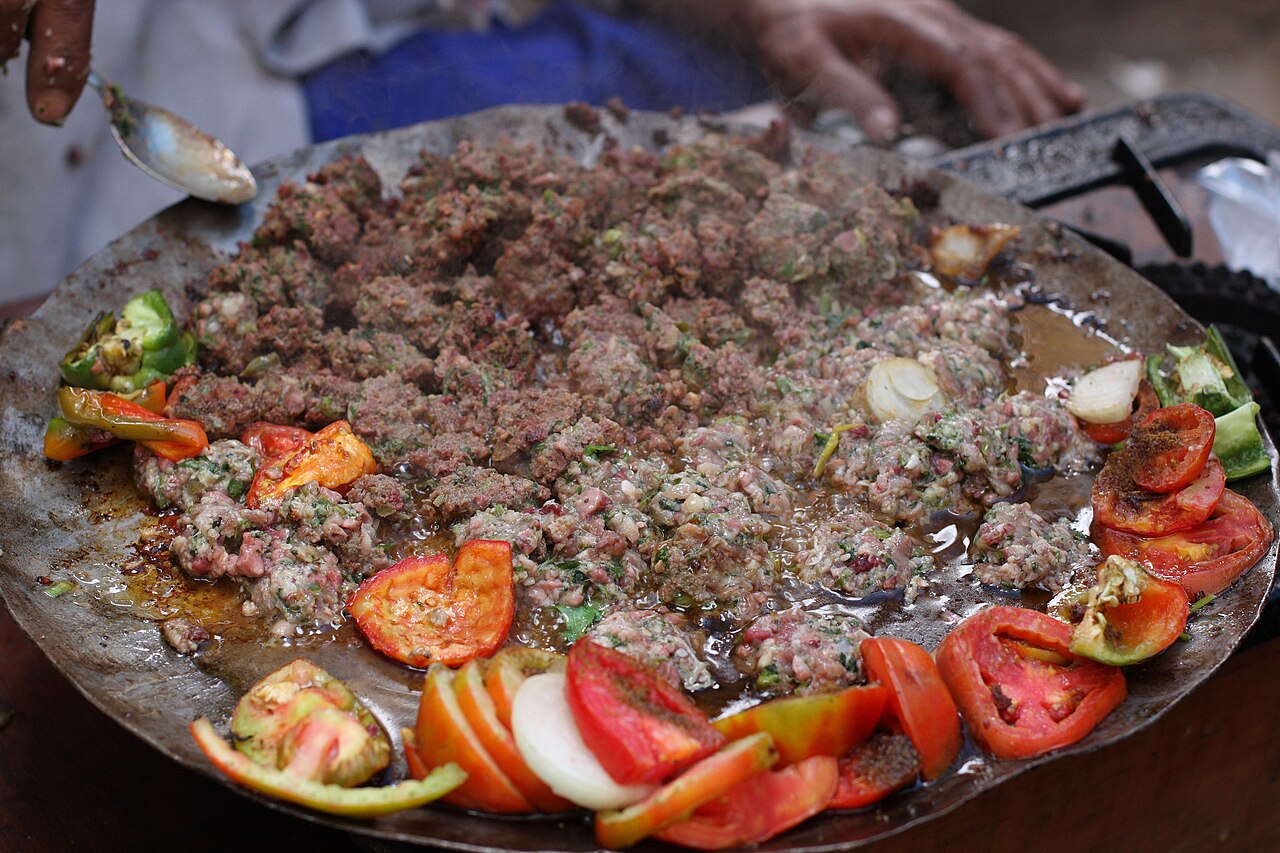
Grain is the foundation — FAO records sorghum and millet as the crops Yemen's rain-fed highlands harvest from mid-October, and winter wheat as the crop whose harvest finished in June 2026, which is why flatbread and porridge sit under almost every Yemeni meal.
The answer, with local context
A country's staple grains are not a matter of taste but of rainfall, and FAO's Global Information and Early Warning System brief of 13 October 2026 sets Yemen's out precisely. Sorghum and millet are the kharif crops, developing through the summer rains and coming in from mid-October. Winter wheat is the irrigated and better-watered crop, harvested in the Northern and Central Highlands by June 2026 after adequate rainfall produced above-average vegetation.
The same brief explains why so much of what Yemen eats is not Yemeni. The 2026 cereal import requirement is forecast at 5.2 million tonnes, close to the 5-year average — a volume that arrives through ports and moves inland by road, and which makes imported wheat flour as much a part of the daily diet as the local sorghum.
Geography points to where the regional traditions sit. The Historic Town of Zabid, one of Yemen's 5 World Heritage properties, lies in the Tihama coastal plain, a hot lowland with its own cooking; Sana'a and Shibam belong to highland and wadi country respectively, and Socotra, inscribed in 2008, is an island economy altogether. Yemen's 5 inscribed properties and 35 Tentative List sites trace the same spread of climates that shapes its regional food.
The easily missed detail
The rain that decides the harvest is not reliable, and 2026 showed it. FAO recorded significant rainfall deficits across most producing areas in July, improvement from late July that let crops recover, and below-average September rain in several areas. A sorghum year in Yemen is assembled from weeks like those, which is why the staple grain and the imported grain have to coexist.
A practical rhythm
- Highland grain — The uplands around Sana'a are wheat country, with the harvest closing out in June.
- Rain-fed grain — Sorghum and millet come in from mid-October, after the kharif rains.
- Imported grain — 5.2 million tonnes of cereal imports are forecast for 2026, so port cities handle a large share of what the country eats.
What could complicate the plan
Food in Yemen is a crisis before it is a cuisine. FAO projects about 5.4 million people in government-controlled areas — half the analyzed population — at IPC Phase 3 or above from October to December 2026, with about 1.8 million in Phase 4, and describes conditions in areas under the other administration as severe. The FCDO advises against all travel to Yemen, and requires a visa obtained in advance plus a passport valid at least 6 months beyond arrival. Any discussion of eating well in Yemen has to sit alongside those figures.
What to do next
The Yemen places question covers Socotra, Shibam, Zabid and Marib — the regions these cooking traditions belong to — and the trip-planning question handles the visa and advisory position.
Sources
- FAO Global Information and Early Warning System — harvest months, rainfall performance, cereal import requirement, IPC figures, reference date
- UNESCO World Heritage Centre — the 5 inscribed properties including Zabid, the Tentative List count
- UK Foreign, Commonwealth and Development Office — travel advice, visa and passport requirements