Zimbabwe country guide Food and drink
What local dishes should I try in Zimbabwe, and where should I look for them?
The short answer
Start with sadza accompanied by leafy vegetables, meat or fish, then explore dishes such as haifiridzi, muboora and peanut-based preparations in local Zimbabwean restaurants.
The answer, with local context
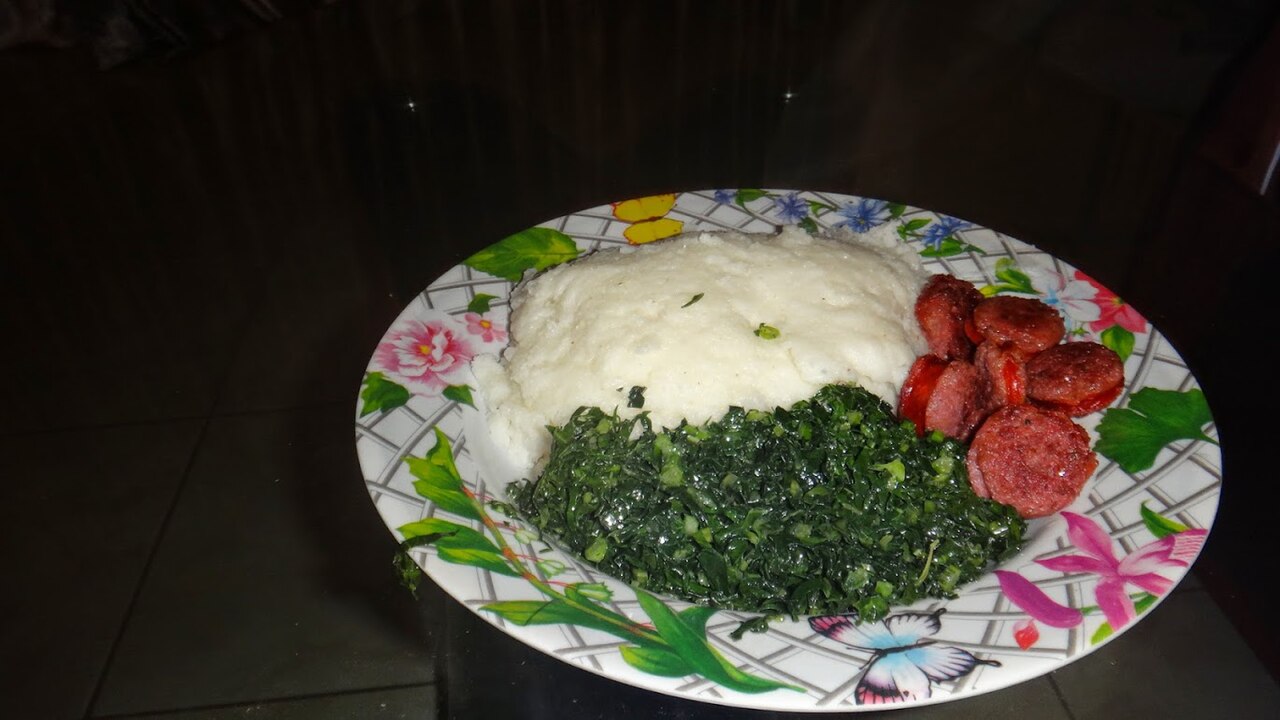
Sadza is one of Zimbabwe's principal staple foods. Usually prepared from finely ground maize meal and water, it has a firm consistency and is eaten with vegetables, stews or grilled meat. The meal is often described by its accompaniments rather than sadza alone.
The Zimbabwe Ministry of Tourism specifically identifies sadza, haifiridzi and bream among the country's notable foods. Haifiridzi is associated with a combination of meat and leafy vegetables, while freshwater bream is commonly served grilled, fried or in a sauce.
Other regional dishes include muboora, prepared from pumpkin leaves, and derere, a leafy vegetable preparation with a distinctive texture. Peanut butter is also used in vegetable dishes and some traditional porridge preparations.
For local drinks, maheu is a nonalcoholic fermented or cultured maize-based beverage, sold in different commercial and homemade varieties. The ministry also recognizes beverages derived from regional fruits, including marula.
Harare and Bulawayo offer both traditional eateries and contemporary Zimbabwean restaurants. In smaller towns, meals may be available through local markets, guesthouses and family-run establishments.
Picture the place
Sadza is usually served as a compact mound beside vegetables and a protein or sauce. It is traditionally eaten by forming small portions with the fingers and using them to pick up the accompanying food.
The easily missed detail
Sadza is not a complete dish by itself. The vegetables, meat, fish or sauce determine much of the meal's character. Someone ordering only sadza may receive a substantially different meal from the one they expected.
A practical rhythm
Lunch: Order sadza with vegetables and a freshly prepared accompaniment.
Afternoon: Try maheu or another nonalcoholic local drink.
Evening: Choose a meat, fish or vegetable dish prepared in a regional style.
What could complicate the plan
Traditional dishes can contain peanuts, dairy, fish or meat stock. Specific vegetable preparations vary by region and season. Market and roadside eating is largely a cash business, and the published entry rule is that $2,000 may be carried in, with more allowed only if declared or documented on arrival.
What to do next
organizes Zimbabwe's main cultural, wildlife and natural attractions into a realistic first-trip itinerary.
Sources
- Zimbabwe Ministry of Tourism and Hospitality Industry — traditional food and beverage examples.
- UNESCO Zimbabwe country profile — national cultural context.
- U.S. Department of State, Zimbabwe country information — currency restriction of $2,000 USD on entry, more if declared or documented (retrieved 5 November 2026)