Zimbabwe country guide Places and experiences
What should a first-time traveler see in Zimbabwe beyond the obvious highlights?
The short answer
Visit Great Zimbabwe, the Matobo Hills and Hwange National Park to experience the country's historical architecture, sacred landscapes and wildlife beyond Victoria Falls.
The answer, with local context
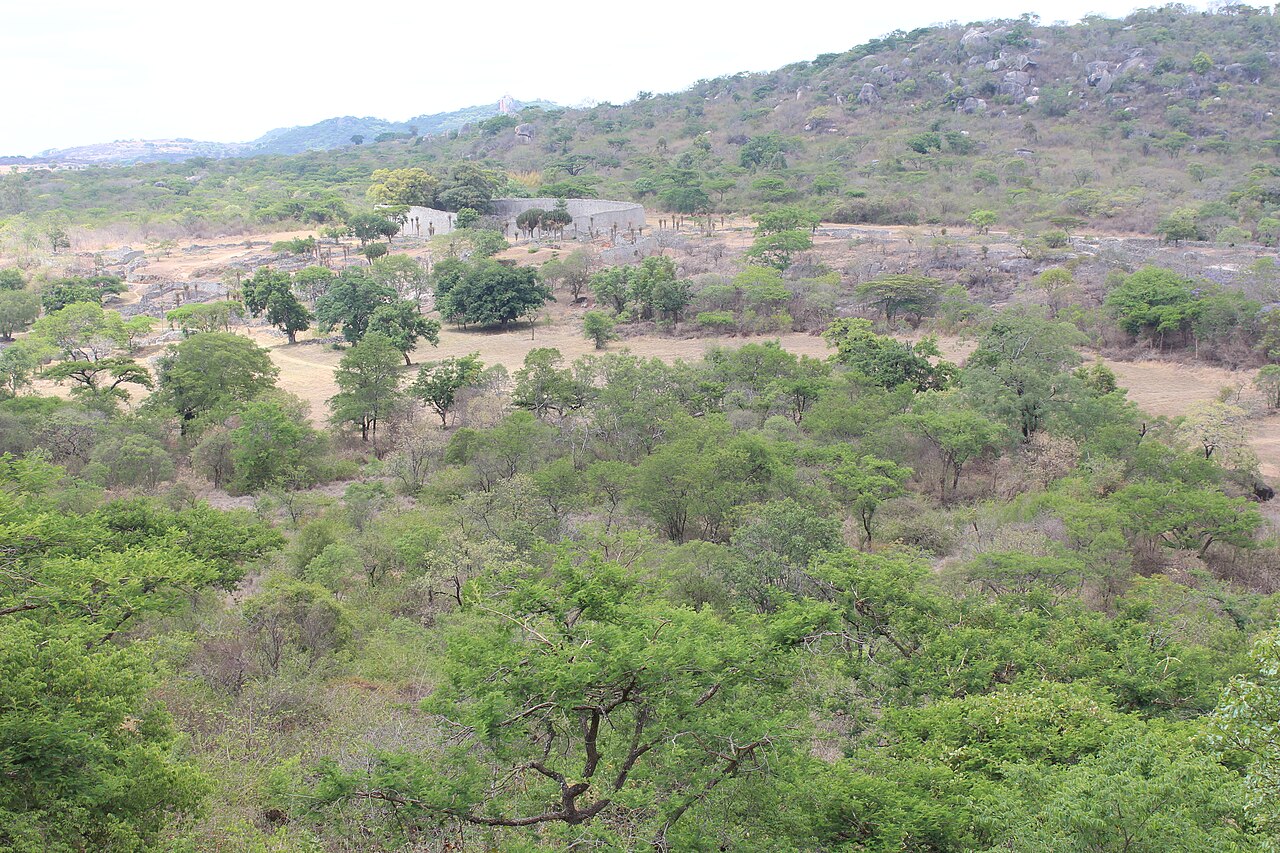
Great Zimbabwe National Monument, near Masvingo, preserves the remains of an important medieval African city. UNESCO inscribed the property in 1986 under cultural criteria (i), (iii) and (vi). Its protected area covers 722 hectares. The monumental stone enclosures and surviving walls demonstrate sophisticated building traditions associated with the historic Zimbabwe civilization.
The Matobo Hills, southwest of Bulawayo, offer an entirely different heritage landscape. Inscribed by UNESCO in 2003, the area covers 205,000 hectares. Its granite hills and rock shelters contain important prehistoric paintings, while sacred sites remain connected with living religious traditions. UNESCO identifies rock paintings dating back at least 13,000 years.
Hwange National Park is one of Zimbabwe's principal wildlife destinations, supporting elephants and a broad range of savanna wildlife. The park's waterholes are especially important during the dry season. The Zimbabwe Parks and Wildlife Management Authority gives its extent as roughly 14,650 square kilometers, making it the largest national park in the country, and counts about 100 mammal species alongside close to 400 recorded birds.
Mana Pools National Park and the adjoining Sapi and Chewore Safari Areas form another UNESCO World Heritage property, inscribed in 1984. This protected landscape along the Zambezi is associated with floodplains, riverine habitats and wildlife.
Picture the place
Great Zimbabwe's massive stone walls contrast with Matobo's rounded granite formations. Farther northwest, Hwange's woodland and open savanna support a very different wildlife landscape.
The easily missed detail
Zimbabwe's five World Heritage properties include three cultural properties and two natural properties. A first visit focused exclusively on Victoria Falls misses much of the country's architectural and cultural importance.
A practical rhythm
Great Zimbabwe: Explore the Hill Complex and stone enclosures.
Matobo Hills: Visit rock-art and heritage areas with an appropriate guide.
Hwange: Reserve several game drives rather than treating wildlife viewing as a short stop.
What could complicate the plan
These destinations are spread across a large country, and road travel may require long driving days. Mana Pools is more remote and can involve seasonal access restrictions. Some Matobo locations are culturally significant places of worship and require respectful access. Cash needs thinking about as well: the U.S. Department of State's Zimbabwe country information states that sums above USD 2,000 must be declared and documented on entry, which is relevant on a route where park fees and lodge balances are often settled in dollars.
What to do next
introduces traditional Zimbabwean foods that can be experienced in towns, villages and regional restaurants.
Sources
- UNESCO — Great Zimbabwe inscription and protected area.
- UNESCO — Matobo Hills' cultural landscape and rock art.
- UNESCO — Zimbabwe's World Heritage properties.
- Zimbabwe Parks and Wildlife Management Authority, Hwange National Park — park area, mammal and bird species counts.
- U.S. Department of State, Zimbabwe country information — currency declaration threshold.