Worldwide travel / Worldwide Food and drink
How can café culture help visitors explore an unfamiliar city?
The short answer
Use cafés as the city's living rooms and listening posts: one anchor café per neighborhood, visited at the local hour, buys you orientation, overheard intelligence, and the city's social map faster than any tour.
The answer, with local context
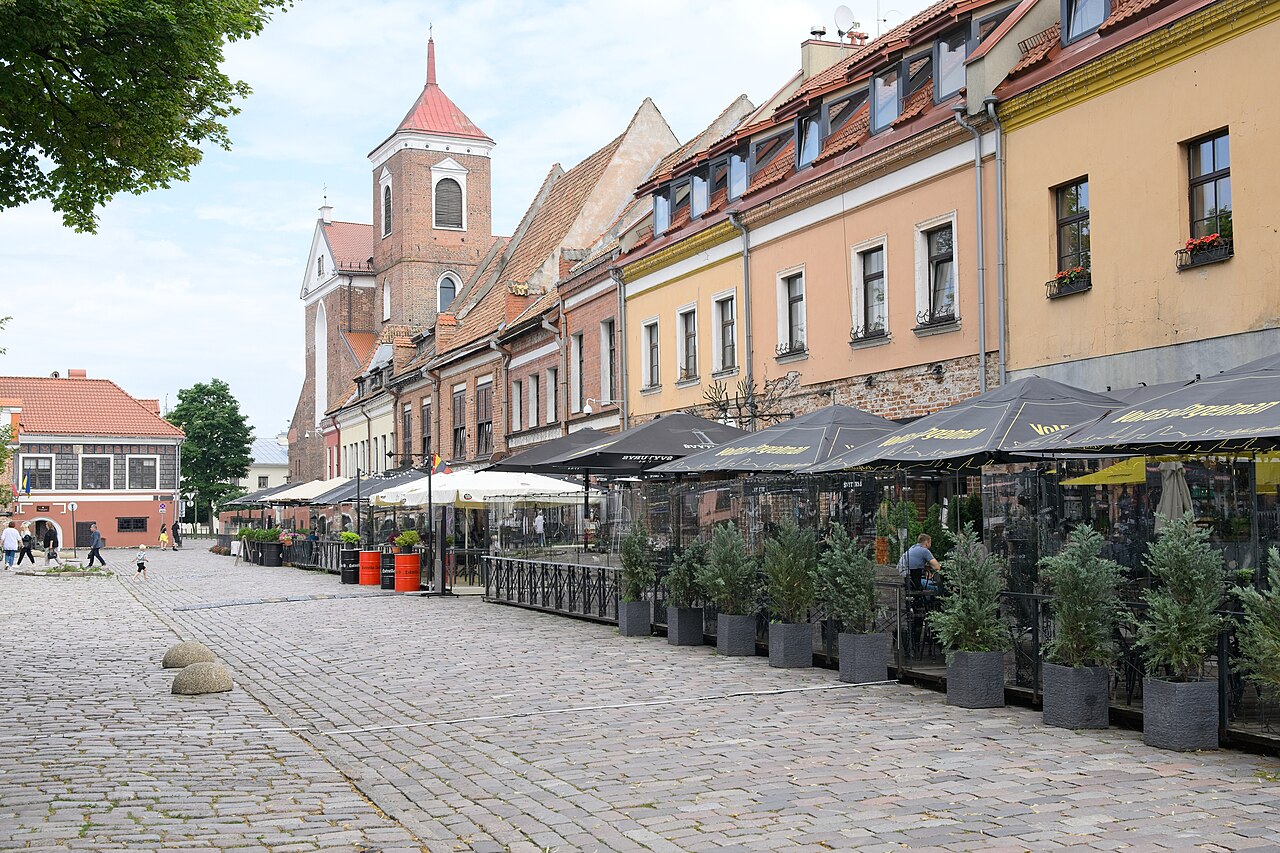
Every city keeps its public life in its cafés, and the institution is old and formally recognised: UNESCO inscribed Viennese coffee-house culture on its intangible heritage list in 2011 (the marble tables, the newspaper racks, the "one coffee rents the table for a day" economy) and Turkish coffee culture in 2013; Buenos Aires protects its historic cafés as Bares Notables (dozens of them, listed by the city since the 1990s). The visitor's method is to treat cafés as infrastructure. First, orientation: a café at a neighborhood's hinge point, taken at the hour the neighborhood uses it (the stand-up espresso at the Roman bar at 8, the Viennese melange at 11, the Lisbon bica at the counter after lunch), teaches the district's rhythm, prices and dress better than a walking tour — and the window seat is a free ethnography seminar on how the city actually moves.
Second, intelligence: café staff and café reading matter are the city's informal information system — the local paper on the rack (Vienna's coffee houses still stock them on wooden holders), the flyers for the concerts and exhibitions the algorithms miss, the waiter's answer to "what's on this week" in a city where the waiter has served the same tables for twenty years. Third, structure: a café anchors the day's geography (start each district in its café, plan over the map, return for the afternoon pause the culture prescribes — fika in Sweden, merienda in Spain, the coffee break as national institution), and it solves the traveler's frictions in one chair: Wi-Fi, toilets, weather shelter, a legitimate reason to sit alone for two hours. The cities reward specialisation — Melbourne's laneway coffee (built by post-war Greek and Italian migration into a flat-white civilisation), Paris's comptoir zinc, Istanbul's kıraathane and its çay gardens, Hanoi's pavement coffee — but the method is portable: find where the city sits down, sit there, and the city explains itself.
Picture the place
A Viennese grand café at 11 a.m.: marble, bentwood, a melange and a glass of water arriving on silver, three newspapers on their sticks, and absolutely nobody in a hurry — least of all you.
The easily missed detail
The café bill is a document: in much of Europe the same coffee costs three prices in one room — at the counter, at a table, on the terrace (Italy's bar prices for standing versus seated are the famous case, posted by law at the till) — and choosing your tier is local knowledge the menu board quietly teaches. The second detail is the toilet economy's etiquette: the café stop is the civilised solution to the city's scarcest resource, but it is bought, not taken — the coffee is the rent, and regulars at your anchor café will upgrade you from tenant to fixture within three days.
A practical rhythm
- One café per district — Chosen at the hinge of the neighborhood, visited at the local hour, window seat if it exists
- Counter first, table later — Learn the house standing, graduate to the long sit once you know its prices and pace
- Ask the room one question — The week's exhibition, the market's day, the bus that matters: cafés answer what search engines can't
What could complicate the plan
The cafe method depends on conventions that are not advertised and occasionally not negotiable. Price tiers come first: in much of Italy the same coffee carries a posted counter price and a higher table or terrace price, so a visitor who sits down expecting the standing rate has misread the tariff on the wall rather than been cheated. Payment is the second, and it inverts expectations — many of the oldest houses are cash-only or impose a card minimum, while the grand cafe that looks expensive is often the one that takes cards and the cheap neighborhood bar is the one that does not. Time is the third and it runs both ways: the Viennese convention under which 1 coffee rents a table for an afternoon has no equivalent in a Roman bar at 8 in the morning, where the counter turns over in 2 or 3 minutes and lingering blocks a queue of commuters. Closing days are the last complication, because the anchor cafe is a small business: it keeps a weekly rest day and usually a summer shutdown, so a habit built over 3 days can lose its address on day 2.
What to do next
In your next new city, skip the hotel breakfast, find the neighborhood café by 9 a.m., and plan the day from a window seat.
Sources
- UNESCO Intangible Cultural Heritage — Viennese coffee-house culture (2011) and Turkish coffee culture and tradition (2013)
- Government of the City of Buenos Aires — the Bares Notables heritage programme
- City of Vienna — the classic coffee-house institution and its conventions
- Visit Melbourne — the laneway coffee culture built on post-war migration