Worldwide travel / Worldwide Trip planning
How can I build an island-hopping trip around realistic ferry schedules?
The short answer
Plan from the ferry network outward — choose the archipelago's hub, respect that timetables are seasonal and published late, keep hops under three hours, and never sleep the night before a flight on a different island.
The answer, with local context
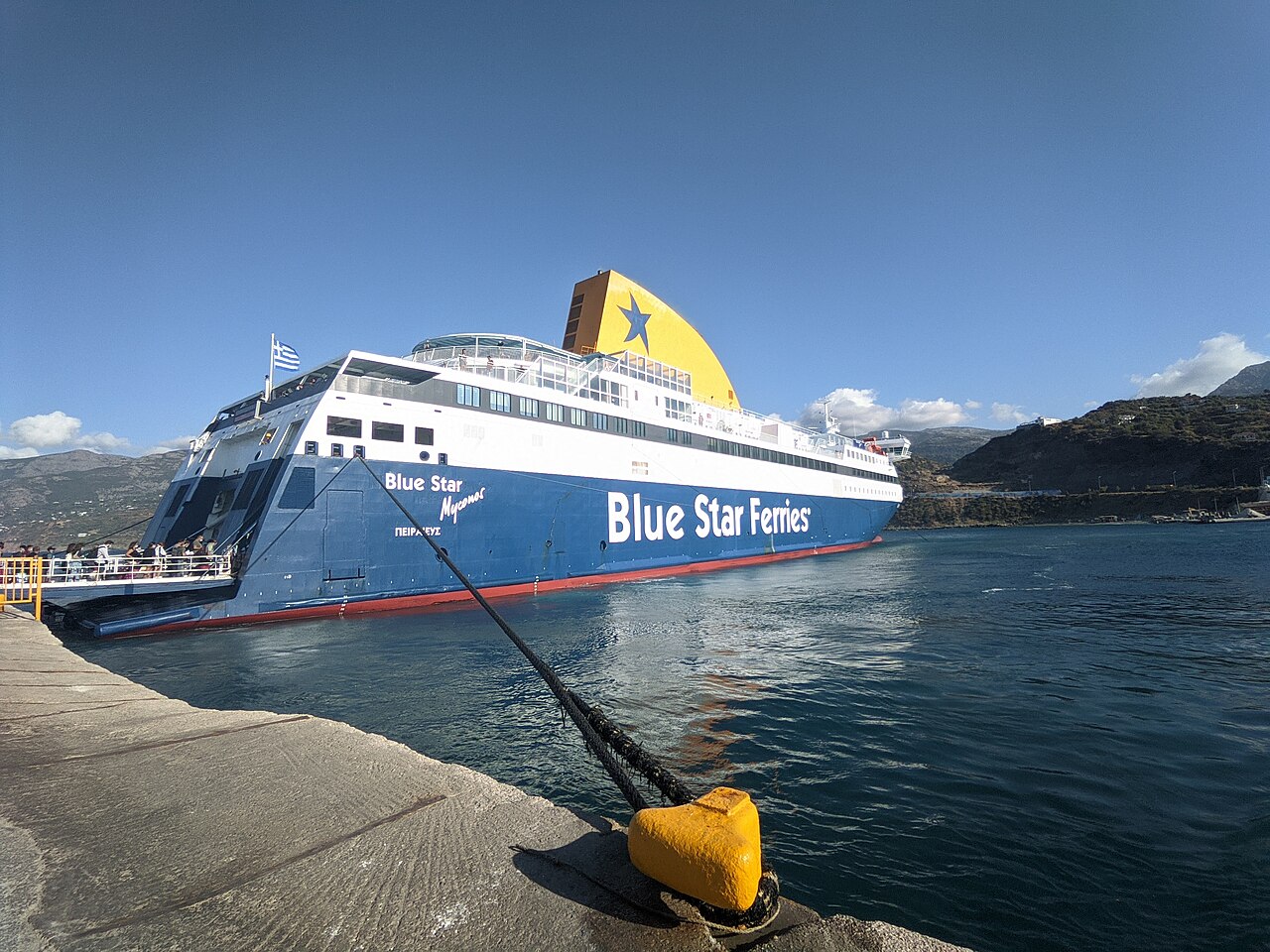
Ferry systems are not bus networks on water; they are seasonal, weather-bound and hub-shaped, and the itinerary must be drawn on their map rather than the atlas's. First law: identify the hub structure. Greece's Cyclades radiate from Piraeus and Rafina but the useful hops run through the central islands (Paros and Naxos are the crossroads where routes intersect); Scotland's Hebrides hang off a handful of mainland ports (Oban, Mallaig, Uig) under CalMac's published network; Croatia's lines fan from Split and Zadar. An itinerary that flows hub-outward in one direction rides the system; one that zigzags fights it daily. Second law: the timetable you need may not exist yet — Greek ferry schedules are approved and published seasonally (winter tables for summer routes often firm up only in spring), so the professional method is to plan on last year's pattern for the same dates, book the critical long legs when sales open, and keep the short hops flexible.
Third, the boat taxonomy decides days: conventional ferries (slow, cheap, carry cars, sail in weather that stops everything else) versus high-speed catamarans (fast, passenger-only or limited vehicles, and the first cancelled when the Aegean meltemi or an Atlantic swell builds — the meltemi's July–August peak is a schedule fact, not a surprise). Fourth, the buffer doctrine: ferries strand people — strikes (Greek seamen's unions call them with days of notice), weather and mechanicals — so the night before a flight or a non-refundable booking is spent on the departure island or the mainland, and every itinerary carries one slack day per week, as road trips do. Practical corollaries: the port is rarely the town (Piraeus is 1 hour from Athens' center; many island ports sit miles from the Chora), boarding cut-offs are real (30–60 minutes for vehicles), and the through-ticket products (CalMac's Island Hopscotch tickets have bundled multi-route travel for decades; Greek multi-island passes come and go) should be priced against point-to-point before buying either. Build on those 5 laws and the islands stop being a gamble and become a rhythm: 2 or 3 nights per island, hops at midday, mornings on the beach of the island you are leaving.
Picture the place
A Cycladic harbor at noon: the ferry's ramp down, scooters and grandmothers and gas canisters flowing off as your luggage flows on — the island's whole economy changing places in 20 minutes.
The easily missed detail
The schedule's fine print hides the season's true shape: many routes show a daily summer service that is actually daily only in the 6 peak weeks, dropping to 3 or 4 sailings a week in the shoulder — the day-of-week column, not the route map, is where island itineraries live or die. The second quiet fact is direction: ferries often run an archipelago loop in one direction efficiently and the reverse badly (a boat that reaches island C from A via B in two hours may need an overnight hub return the other way), so plan the chain in the timetable's own direction.
A practical rhythm
- Hub outward, one direction — Chain the islands along the network's grain; end on the departure island or mainland
- Last year's timetable, this year's check — Plan on the pattern, re-verify when the season's tables publish, book the long legs first
- Buffers where they matter — Slack day per week, never a flight morning after a ferry morning
What could complicate the plan
Sea travel's protections are weaker than aviation's while its cancellations are more common. Under the European regulation for passengers traveling by sea and inland waterway the minimum remedy for a late arrival is 25 percent of the ticket price, rising to 50 percent only when the delay exceeds double the threshold — and the thresholds favour the operator: 1 hour on a crossing scheduled at up to 4 hours, 2 hours on a journey of 4 to 8 hours, 3 hours from 8 to 24 hours, and 6 hours on anything longer. A quarter of a deck fare is not a hotel night, which is why the buffer day does the work the regulation does not. Weather is the second complication and it is categorical rather than gradual: a high-speed catamaran is withdrawn in conditions a conventional ferry still sails, so the fast boat that makes a tight chain possible is the first service to disappear. Third, strikes and seasonal timetable changes arrive with days rather than months of notice, and small-island services outside the peak can thin to a handful of sailings a week, which quietly converts a planned stop of 2 nights into one of 4.
What to do next
Draw your chain on the ferry map for your exact weekdays, count the sailings per hop, and move any flight-eve night to the mainland side.
Sources
- Greek Ministry of Maritime Affairs and ferry operators (Blue Star, SeaJets) — seasonal timetable approval and meltemi disruption patterns
- CalMac (Caledonian MacBrayne) — the Hebridean network structure and Island Hopscotch tickets
- Jadrolinija — Croatian coastal and island route seasonality
- Hellenic Seaways / operator terms — boarding cut-offs and strike-cancellation practice
- Regulation (EU) No 1177/2010, Article 19 — the 25 percent and 50 percent compensation levels and the 1, 2, 3 and 6-hour delay thresholds by scheduled journey length (retrieved 2026)