Worldwide travel / Worldwide Food and drink
How do I find family-run restaurants without relying only on tourist rankings?
The short answer
Read the physical evidence — a short, seasonal, single-language menu, a full room of locals at local hours, and a named family in charge — then confirm it with the slow-food and inspectors' guides that were built for exactly this.
The answer, with local context
Rankings measure visibility; family restaurants are found by structure. The structural signs repeat across food cultures: a menu short enough to be cooked by few hands (one page, chalked specials, dishes that disappear when the market fails), opening hours that follow the local day (the kitchen that closes mid-afternoon and on the family's day off is feeding neighbours first), pricing in the local band rather than the tourist premium, and the proprietor visible — the same face taking orders, arguing with the fishmonger, remembering the regulars' tables. Geography testifies too: family houses cluster on the streets one block behind the monument, beside the market that supplies them, and in the neighborhoods where the city's own workers lunch.
The paper trail exists, built by movements that predate review platforms. Slow Food — founded in Italy in 1986 by Carlo Petrini, now a global network — publishes the Osterie d'Italia guide to exactly this category (the snail symbol marks hosterie serving local tradition at fair prices); Michelin's Bib Gourmand (a formal category since 1997) inspects for quality cooking at moderate prices and skews heavily to family houses; and national equivalents (Spain's Repsol soles' neighborhood picks, France's Maître Restaurateur title for owner-chefs cooking from raw produce, the official label created in 2007) do the same work by country. France adds a regulatory clue: since a 2014 decree, the "fait maison" logo marks dishes cooked on-site from raw ingredients — a legal claim, not a marketing one. Japan's version is the counter itself: the eight-seat shokunin shop with one master is the family restaurant in its purest commercial form, findable through department-store food floors' and station masters' local lists rather than global rankings.
Picture the place
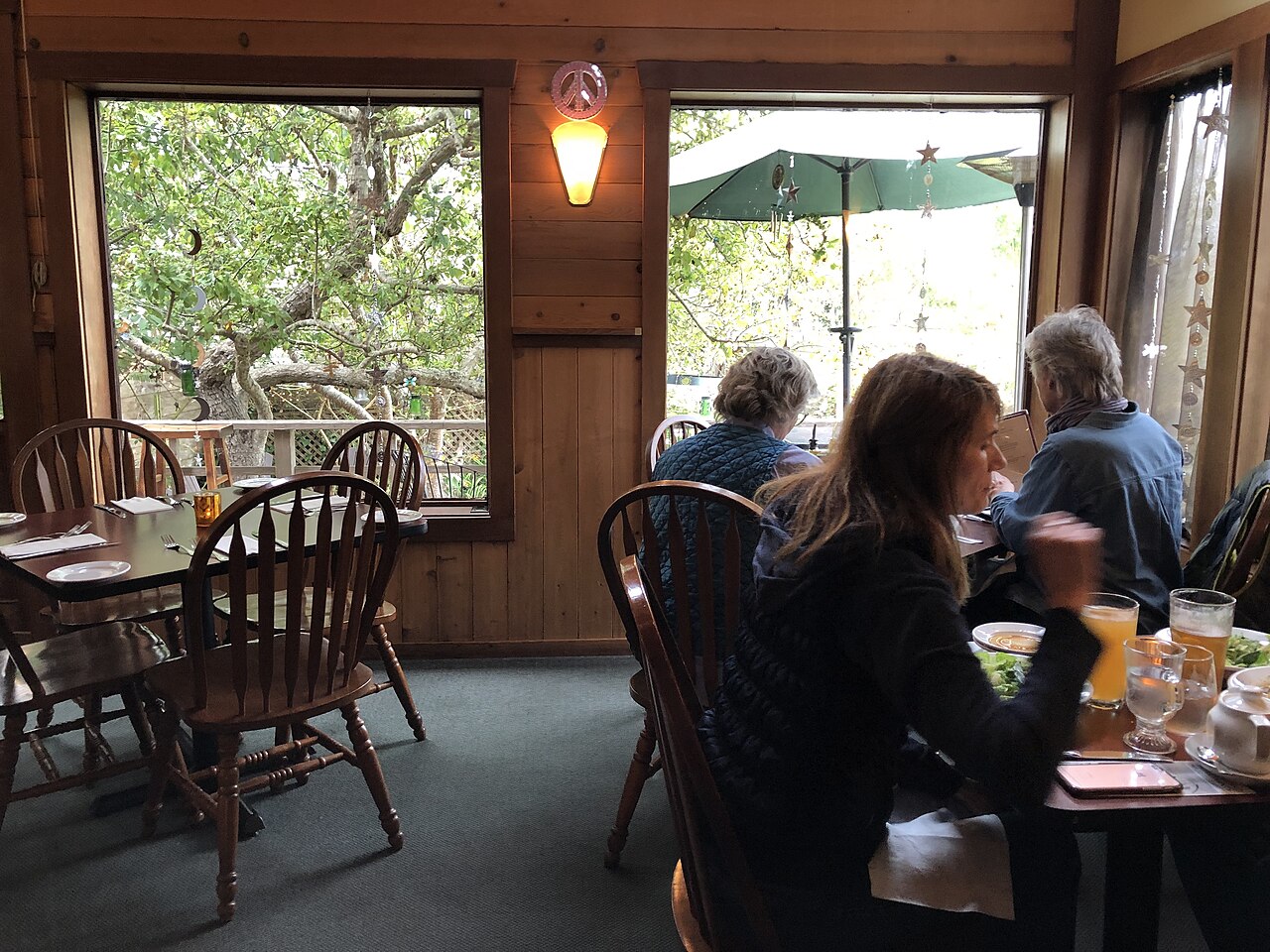
A room of twelve tables at 1:15 p.m.: the owner's daughter working the pass, last year's family photographs over the bar, and a menu board with two dishes already chalked off.
The easily missed detail
The strongest single signal is a closure pattern: family restaurants shut for the family's own holidays — whole weeks in August in southern Europe, irregular days elsewhere — and announce it with a handwritten note, not a booking-platform update; a place that has never once been closed is staffed, not familied. Conversely, treat "family-run since [year]" claims on laminated photo menus at the monument's edge as décor: the real ones rarely need to say it, because the family is visibly in the room.
A practical rhythm
- Lunch where the workers do — The midday menu (Spain's menú del día is the formal version) is the family kitchen's truest hour
- Walk one block further — Apply the one-street rule from every famous square before choosing
- Ask a supplier, not a concierge — Bakers, market stallholders and bar owners name their own tables; they eat there
What could complicate the plan
The houses that pass these tests are the ones least equipped for a visitor's convenience. Plenty take no card, run a single sitting of 12 or 14 covers, answer only a landline, and shut for weeks when the family does — none of which reaches a booking platform. Language is the second obstacle, and it cuts against the very signal you were using: a short handwritten menu is both the best evidence of a real kitchen and the hardest thing in the room to read, so the ability to ask what a dish actually is matters more here than at any laminated-menu rival. Food safety is the third consideration, and it applies to the beloved institution exactly as it does to a street stall: in places where sanitation is uncertain, US travel-health guidance names salads and uncooked vegetables, unpeeled fruit, unpasteurized milk and cheese, raw or undercooked shellfish and eggs, and anything made with tap water or ice as the higher-risk choices, and advises a hand sanitizer of at least 60% alcohol where soap is not offered.
What to do next
On your next trip, shortlist from the Slow Food or Bib Gourmand pages for the destination, then verify on foot with the closure, menu-length and locals-at-lunch tests.
Sources
- Slow Food International — the movement founded 1986 and its Osterie d'Italia guide to traditional hosterie
- Michelin Guide — the Bib Gourmand category (formalised 1997) for quality cooking at moderate prices
- French Ministry of the Economy — the "fait maison" decree (2014) and the Maître Restaurateur title (2007)
- Visit Japan / local convention bureaus — the counter-shop culture of owner-operated restaurants
- CDC Yellow Book 2026, Food and Water Precautions for Travelers — higher-risk foods and beverages, 60% alcohol hand-sanitizer threshold (retrieved 2026)