Worldwide travel / Worldwide When to visit
How can I research holiday closures before planning a December trip?
The short answer
Build the closure map in three layers — the country's official public-holiday calendar, the transport network's holiday timetable, and the individual venues' December hours — because December closes things in sequence, and each layer is published by a different authority.
The answer, with local context
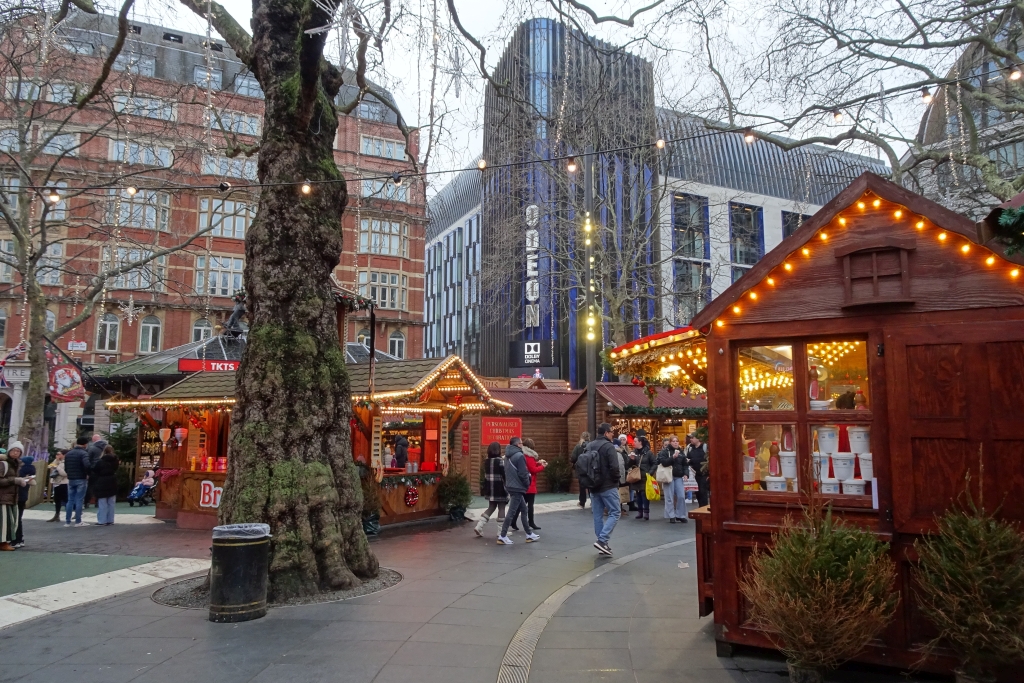
December's closures are a system, not a surprise, and it researches cleanly from primary sources. Layer one is the legal calendar: every government publishes its public holidays (the UK's gov.uk bank-holiday list, the German Länder calendars, Spain's official labour calendar), and December's pattern differs in ways that matter — much of continental Europe treats December 24 as a working morning and a closed afternoon (German shops shut early on the 24th by closing-time law), Britain closes on the 25th and 26th, Spain's great family day is January 6 (Epiphany, Reyes) more than the 25th, and Italy adds December 8 (Immacolata) and Santo Stefano on the 26th. Museums and sights layer onto this variably: the Louvre closes on December 25 and January 1 but runs otherwise, many German museums close on the 24th and 31st, and the Christmas markets themselves end on a scatter of dates — many German markets close on December 23 or 24, Vienna's run to December 26 and into New Year, and a few cities extend a "winter market" into January.
Layer two is transport, where December bites hardest: Britain runs no trains at all on December 25 and a skeleton on the 26th (with engineering works traditionally scheduled across the whole Christmas–New Year week — National Rail publishes its festive plans each autumn); airports run but ground transport thins; ferries and rural buses move to holiday timetables on the red-letter days. Layer three is the human one: family businesses take the whole period (the Italian and Spanish small-restaurant closures between Christmas and Epiphany are a season in themselves), while the visitor economy's highlights run special hours that must be read venue by venue — the official "plan your visit" pages, not the search snippets, which quote summer hours into December with total confidence. The method that survives: make a table of your ten essential places and services, look each up on its own authority's page, and mark the 24th–26th and 31st–1st as hostile territory to be planned around (travel on the 27th–30th, feast on the days the locals feast). December rewards this homework with the year's most atmospheric cities at their emptiest — the week between Christmas and New Year is a connoisseur's window precisely because the unwary assume everything is shut.
Picture the place
A northern capital on December 27: the museum queues gone, the market still lit, the locals walking off their feast days in the blue dusk — the city at its most beautiful and least defended.
The easily missed detail
The closure nobody researches is the supermarket: arriving on December 24 afternoon or the 25th in much of Europe means no food shopping until the 27th (Germany's two-day closure is the strict version), so the self-caterer's first shop belongs on the 23rd. The mirror-image gift: January sales and the post-Epiphany calm — Spain's rebajas begin around January 7 and Italy's saldi in the first days of January, dates the retail calendars publish and the December planner can bank.
A practical rhythm
- Three layers, three sources — Government holiday list, transport operator's festive timetable, each venue's own December page
- Hostile days marked — The 24th–26th and 31st–1st planned as travel-light, feast-heavy, sight-free by default
- The 23rd shop — Self-catering provisions bought before the shutters; the 27th–30th window spent like a local
What could complicate the plan
December's closures interact, which is what makes them expensive. Transport is the hardest layer: Britain runs no trains at all on 25 December and a skeleton service on the 26th, with engineering works traditionally booked across the whole Christmas and New Year week, so a rail-based itinerary has to treat those dates as road or nothing. Retail compounds it — German shop-closing law shuts the shops early on 24 December, which leaves a self-caterer who arrives that afternoon without food shopping until the 27th. The sights layer is the one that looks safe and is not: a museum listed as open on 26 December may be running reduced hours with its cafe and cloakroom shut, and the Christmas markets that justified the trip end on a scatter of dates from 23 December onward rather than on a common one. The human layer closes last and longest, since family restaurants in Italy and Spain take the whole stretch from Christmas to Epiphany — so the quiet window from the 27th to the 30th that is perfect for sights is thin for dinner, and a reservation made in November is worth more than any opening-hours page.
What to do next
Draft December's table of ten essentials tonight and fill each cell from its own official page before booking a single night.
Sources
- GOV.UK — the official bank-holiday calendar for England, Scotland and Wales
- National Rail Enquiries — the Christmas and New Year service and engineering-works calendar
- German Länder shop-closing law (Ladenschluss) — the December 24 early-closing rule
- Spanish Ministry of Labour official calendar — the December and Epiphany holiday structure