Worldwide travel / Worldwide Things to do
What should travelers know before visiting local food markets?
The short answer
Go early, carry small cash, watch how locals buy (by weight, by piece, touch or no-touch), eat at the busiest cooked-food stall, and treat the market as a working place whose rules are visible if you watch one transaction before joining in.
The answer, with local context
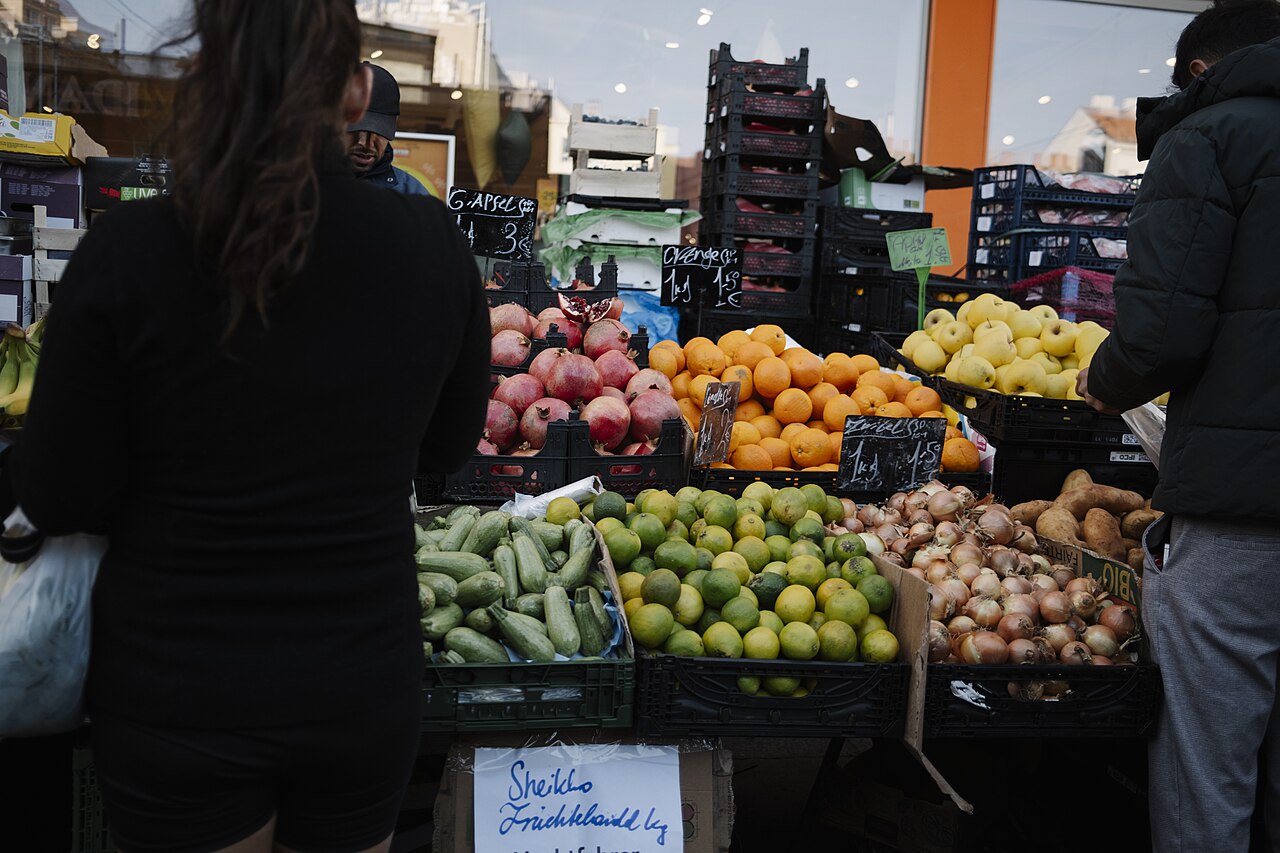
Markets are workplaces that admit visitors, and the preparation is mostly etiquette plus timing. Timing: markets run on the wholesale clock — the great ones open at dawn (Tokyo's Toyosu wholesale market, which replaced Tsukiji in 2018, runs its tuna auctions in the small hours with a visitor lottery; the retail outer markets of the world peak mid-morning) and the serious shopper arrives in the first half, when the produce is complete and the day's fish is the day's. Market days themselves are calendar facts: French towns hold their marché on fixed weekdays posted by the mairie, Barcelona's Boqueria rests on Sundays, many Asian wet markets are morning-only institutions. Money: small bills and coins, the local currency, and an expectation of pricing by weight (the kilo or the local unit) — with haggling being culture-specific (expected and enjoyed in the souks of North Africa and the Middle East, absent in Japan and most of Europe, where the negotiation is replaced by the vendor's added handful for regulars).
The touch rule is the one that embarrasses travelers most: in France and Italy you do not handle produce at a stall — the vendor selects and bags for you — while northern-European and American markets expect self-selection, and Japan's department-store food halls wrap everything to a standard that makes touching moot. Food safety follows the CDC's standing guidance for travelers (freshly cooked and steaming beats raw and room-temperature; the busiest stall with the fastest turnover is the empirical shortcut every market culture teaches), and the cooked-food counters inside markets — the Boqueria's bars, Mexico City's fondas, Singapore's hawker centres (UNESCO-listed as a food culture in 2020) — are the best-value restaurants in their cities. Add the photography rule (ask the stallholder, buy something first) and the bag discipline (a tote of your own; markets were plastic-light before it was fashion) and you are equipped to be the visitor markets like having.
Picture the place
A covered market at 8:00 a.m.: shutters rattling up in sequence, the fish row glittering, a stallholder chalking prices in a hand learned from his grandfather, and the first coffee of the market's own bar already in your hand.
The easily missed detail
The market's best restaurant is rarely at its center: the workers' canteen — the bar at the market's edge where the porters and stallholders eat at 10:00 a.m. — is the address the food writers find last (Barcelona's market bars are the exception that became famous). The second detail is the closing hour's inversion: perishables discount hard in the final hour in many European markets, which is the locals' picnic hour — the same stall, the same fish, the rhythm reversed.
A practical rhythm
- First half of the morning — Full stalls, true fish, the market at work rather than at display
- Watch 1 transaction — Weight, touch, haggling and bagging customs copied from a local before you buy
- Eat where it turns over — The busiest cooked stall, food steaming off the plancha, is the safety and quality rule in one
What could complicate the plan
A market is a workplace with a cold chain, and the visitor is its weakest link. Perishable food should be held at 40°F (4°C) or below and should not sit at room temperature for longer than 2 hours — which is the real constraint on the cheese, the cured fish and the pastry bought at 9:00 a.m. and eaten at 3:00 in the afternoon, and in a hot city it is the whole problem with a market picnic. Access and timing are the practical obstacles: plenty of stalls take cash only, the great wholesale markets restrict or ballot entry to their auction floors rather than admitting walk-ins, and a hall that looks open all day is frequently finished by early afternoon. Photography is the third friction, because a stall is both someone's shopfront and their stock, so the courtesy is to ask and to buy something first. And the last complication is the border: fresh produce, meat, dairy, honey and plants are customs questions rather than souvenirs, which is why the market haul belongs in lunch rather than in a suitcase.
What to do next
Before your next market, learn its day and hours from the municipality's page, take small cash and a tote, and plan breakfast at the market bar.
Sources
- CDC Travelers' Health — food and water precautions (cook it, peel it, and the freshly-cooked rule)
- Toyosu Market (Tokyo Metropolitan Government) — the 2018 relocation from Tsukiji and the auction visitor system
- UNESCO Intangible Cultural Heritage — hawker culture in Singapore (2020)
- Ajuntament de Barcelona — the Boqueria's hours and market rules; French municipal market-day calendars
- CDC Yellow Book 2026, Food and Water Precautions for Travelers — the 40°F holding temperature and the 2-hour room-temperature limit for perishable food (retrieved 2026)